
Northeastern B.C. exits historic drought, for now
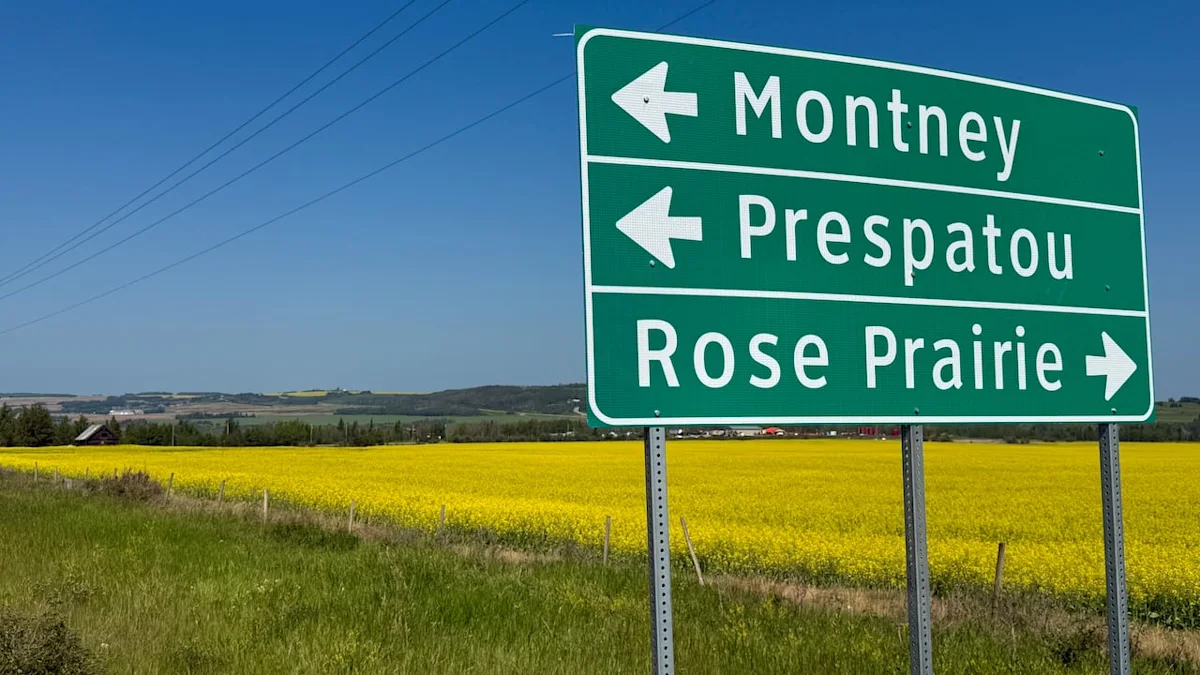
Provincial data shows northeastern B.C. has emerged from the historic drought that began in 2022, though officials warn a hot summer could quickly reverse the progress.
Natasha Cowie, a hydrologist with the B.C. River Forecast Centre, confirmed the drought has ended, but cautioned warmer weather is still a concern.
"The note to hit here is one of cautious optimism right now," Cowie said.
"I think going forward it is important to for everyone to keep in mind conditions could change rapidly and especially if things get hotter going further into summer, we could see it revert to drought conditions."
Cowie says above normal snowpack and recent precipitation has helped the region, especially compared to previous years.
"That has really set the region up well going into the real bulk of summer, which is that phase that we're we're hitting right now as it gets really warm, really hot, and quite a bit drier," she said.
A yellow heat warning was issued Friday by Environment and Climate Change Canada for Fort Nelson and the North Peace, with temperatures hitting the high 20s and low 30s, and is expected to last into the middle of the week.
Stream flows could decline without further rain, added Cowie, noting precipitation is difficult to predict compared to temperature.
"I'd expect to see that highly variable pattern continue as we get further along in the summer, where some areas are probably going to just hang on to the dry conditions, and some may continue to benefit from those cycles of rainfall."
Peace Region produces majority of B.C.'s grain
Malcolm Odermatt, the president of the B.C. Grain Producers Association, lives in Baldonnel, B.C., a small farming community just 13 kilometres east of Fort St. John.
He says the weather varies by farm location, but noted heavy snowfall in December led to wet fields, and delayed seeding.
"Since then, some areas in the country have received excessive rainfall," he said. "And other areas, such as where I farm in Baldonnel, have been quite dry."
Odermatt says farmers in Cecil Lake struggled with moisture concerns this spring.
"It's been too wet. They haven't been able to get on the ground. They've been getting equipment stuck. Their crops are coming up deprived of oxygen because of how saturated their ground is," he said.
"It's a very different story compared to around Dawson Creek, where they've been relatively dry."
Farming can be hit or miss depending on who you talk to and where they're located, added Odermatt.
According to provincial figures, more than 80 per cent of B.C. grain production occurs in the Peace, with crops like canola, barley, oats, wheat, and peas grown.
Odermatt says he grows peas and canola on his over 800-hectare farm.
"Even though we were in quite a drought the last couple of years, our little farm did okay," he said, noting neighbouring areas like Prespatou saw far more rain.
"They were hammered last fall with rain, and now again this summer. Here, we hardly had any fall moisture. We had some snow and now we're back to being good."
Subscribe to CBC's Fort St. John Weekly for a round-up of the best news and stories from B.C.'s Peace and Northern Rockies.
Related Stories
 Canada
Albertans head to polls in historic referendum on whether they want to stay in Canada
1 week ago
 Canada
In the news today: four soldiers killed, Alberta referendum, AI privacy fears
1 week ago
 Canada
How a grass fire at a Canadian military base killed four soldiers
1 week ago
 Canada
How will household electricity rebate reduction, temporary winter pricing change impact Ontarians?
1 week ago
 Canada
Residents told to boil tap water due to bacteria
1 week ago
 Canada
Oil
1 week ago
 Canada
Albertans vote on path to independence as Carney fights to keep Canada united
1 week ago
 Canada
Two of 4 soldiers killed in fast
1 week ago