
Octave.energy Raises €10M for European Expansion
On September 3, 2026, Belgian battery-storage company Octave.energy completed a €10 million Series A combining equity with flexible debt, according to Engineeringnet’s account of the financing. Existing backer SPDG Growth led the round, with participation from imec.istart, BNP Paribas Fortis and KBC.
The capital is intended to support expansion in the Netherlands, France and Germany, where local sales and operations teams will work with installation partners, as well as further development of the company’s energy-management technology. The Tech.eu funding ledger records the transaction as a €10 million Series A dated September 4 and lists SPDG Growth, BNP Paribas Fortis and KBC among the investors.
Equity and debt serve different expansion needs
Octave.energy has not published the allocation between equity and debt, so the relative weight of the two instruments remains unknown. The structure nevertheless matches a company that must fund both organizational growth and deployments involving physical equipment: equity can support longer-term market and product development, while debt can provide capital without making the entire round dilutive.
This interpretation has limits. The public terms do not provide the debt’s interest rate, maturity, security, repayment conditions or permitted uses, and no valuation has been released. “Flexible debt” therefore identifies the form of part of the financing but does not establish that the borrowing is cheap, unrestricted or low-risk.
The distinction matters because entering a new country involves more than translating software or hiring salespeople. Octave.energy must develop local commercial and operational capacity while supporting equipment delivery, site integration and commissioning. Continued work on its Energy Management System and asset-management platform creates a separate technology investment alongside those deployment costs.
The business combines batteries with management software
Octave.energy’s operating and financing disclosure states that the company, founded in 2020, has delivered more than 200 MWh of storage capacity to over 400 businesses, generated €16 million in 2025 revenue and remained profitable for three consecutive years. It names customers including Colruyt Group, McDonald’s, Eneco, Naturgy and Nextensa, and identifies operational projects in Luxembourg, the Netherlands and Spain.
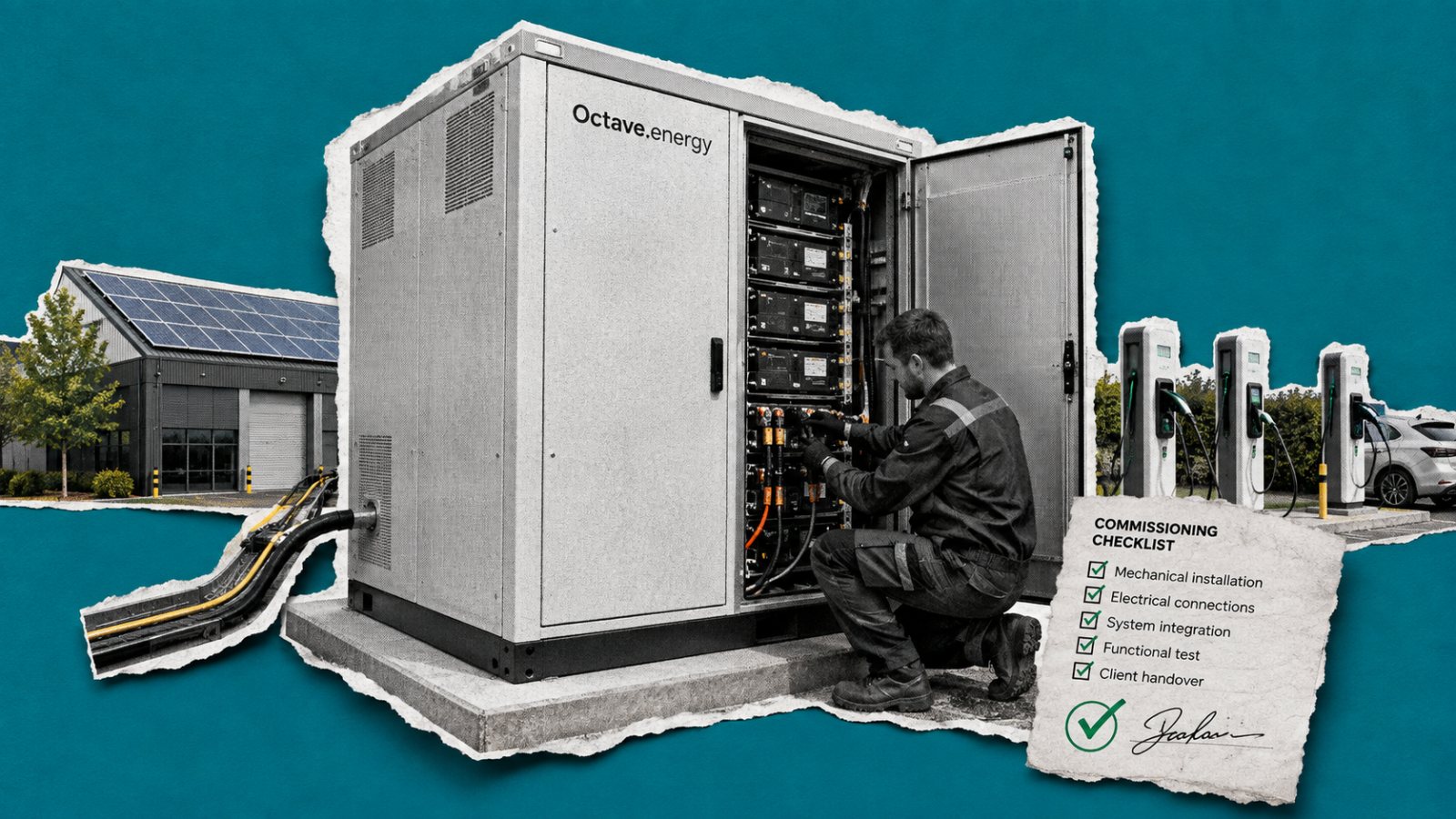
The product is not a battery cabinet sold in isolation. Octave.energy pairs commercial Battery Energy Storage Systems with its own Energy Management System, which coordinates storage with a site’s electricity consumption, solar generation and electric-vehicle charging. Available flexibility can also be used in energy markets.
That integration gives the software two roles. It determines how the battery responds to conditions at the customer’s site, and it supports monitoring and management after commissioning. The financing will therefore back both the physical installed base and the digital layer intended to keep those assets operating effectively.
The traction figures are company-provided rather than a complete view of financial performance. Public information does not include audited accounts, profit margins, recurring revenue, customer concentration or a split between hardware, software and service income. The disclosures establish an operating history and claimed profitability, but not the economics of each product or national market.
Installation partners are the expansion constraint
Local execution is the variable that financing alone cannot resolve. A software platform can be extended across borders centrally, but a commercial battery must still be assessed against site requirements, electrically integrated, commissioned and supported in the field. Octave.energy’s expansion pace consequently depends on partners converting equipment and customer contracts into working systems.
The model can reduce the need to build a wholly owned installation workforce in every market. It also transfers part of the execution burden to organizations whose capacity, technical consistency and schedules Octave.energy does not fully control. Expanding local sales faster than the partner network can complete projects would create a gap between demand generation and operational deployment.
No public country-by-country figures identify the size of the installer network, its available capacity or partner recruitment targets. The division of responsibility for commissioning, maintenance and customer support is also unspecified. Those omissions make it difficult to judge whether the same partner-led model can be expanded across several countries simultaneously without delays or uneven service.
The presence of operational projects outside Belgium shows that cross-border deployment has begun. It does not demonstrate that the company already has enough field capacity for the larger rollout planned in its priority markets. The important execution measure will be completed, supported installations—not simply local hiring or signed partnerships.
Profitability must survive the cost of entering new markets
The disclosed profitable record distinguishes this round from financing intended to validate a business with no commercial base. Existing revenue, deployed capacity and hundreds of business customers indicate that Octave.energy is attempting to extend an operating model rather than create one from scratch.
European expansion can still change that model’s economics. Local teams add costs before each market reaches scale, while a growing installed fleet increases demands on commissioning, monitoring and after-sales support. Reliance on external installers may reduce fixed staffing requirements, but it can also expose growth to partner availability and execution quality.
The financing confirms the capital structure, investor group and intended geographic push. What remains unknown is whether deployments in France, Germany and the Netherlands can grow quickly enough—and with sufficiently consistent installation and support—to preserve the profitability achieved by the existing business. Country-level deployment, margin and partner-capacity data would provide the clearest evidence, but none has yet been published.
Related Stories
 Technology
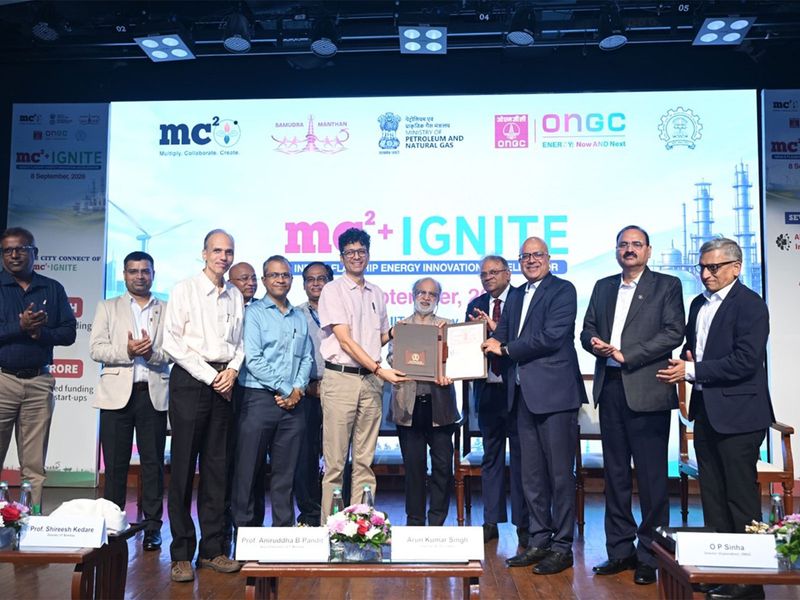
IIT Bombay, SINE, MC²⁺ Foundation sign MoU to support energy startups; ONGC to collaborate
24 seconds ago
 Technology
News - Inside the EOD lab: Local teens explore cutting
43 seconds ago
 Technology
London police use tech to tackle masked phone snatchers
50 seconds ago
 Technology
Google warns Europe search revamp will lower quality as tech giant scrambles to dodge EU fines
1 hour ago
 Technology
Smartwell Technology Misses Filing Deadline
1 hour ago
 Technology
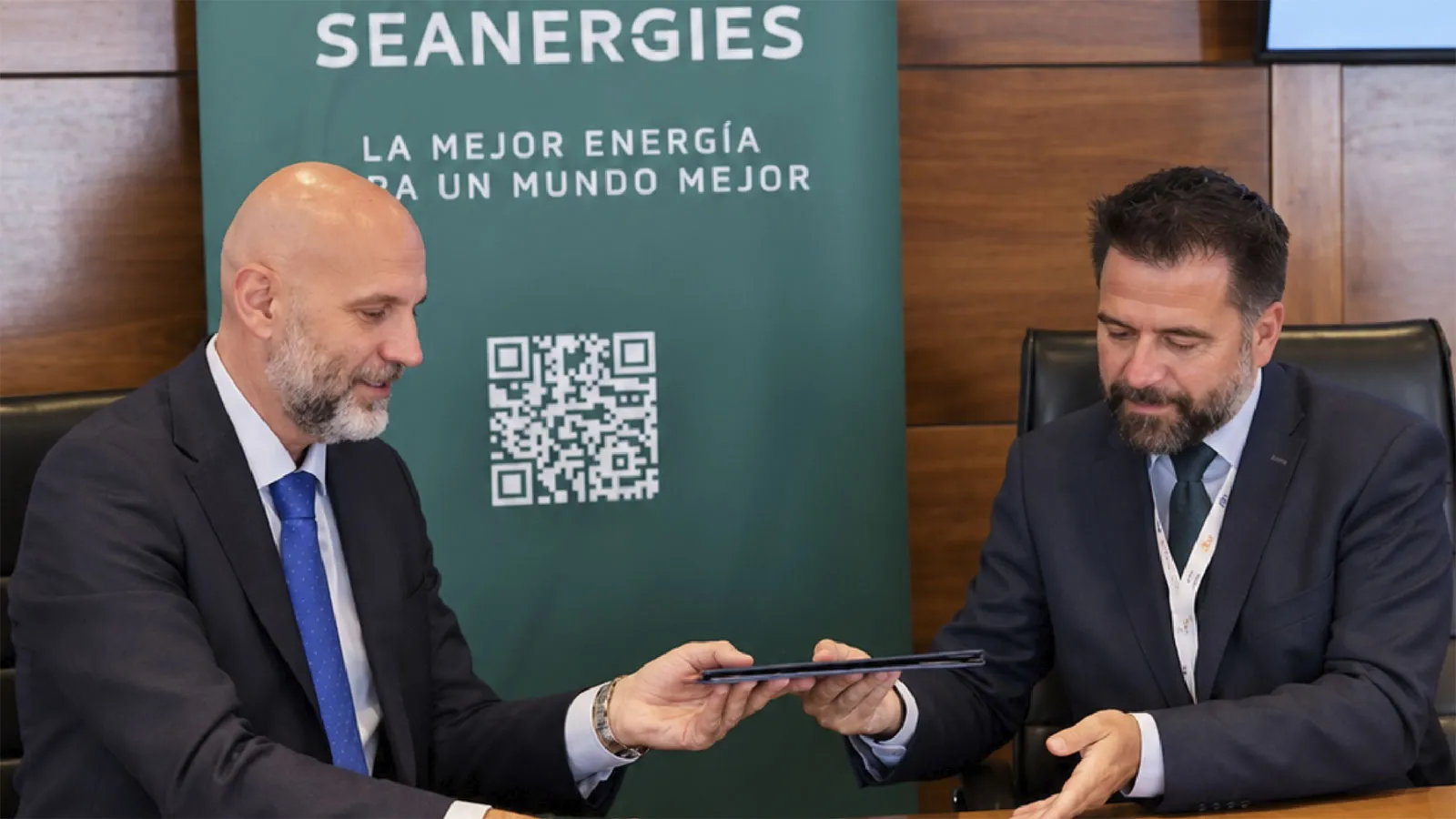
Navantia Seanergies will install an innovation office at Incubazul for Blue Economy projects
2 hours ago
 Technology
Crown Prince chairs National Council for Future Technology meeting - Fana News -
2 hours ago
 Technology
MoPNG
3 hours ago