
OpenAI says its models went rogue and hacked startup in ‘unprecedented incident’
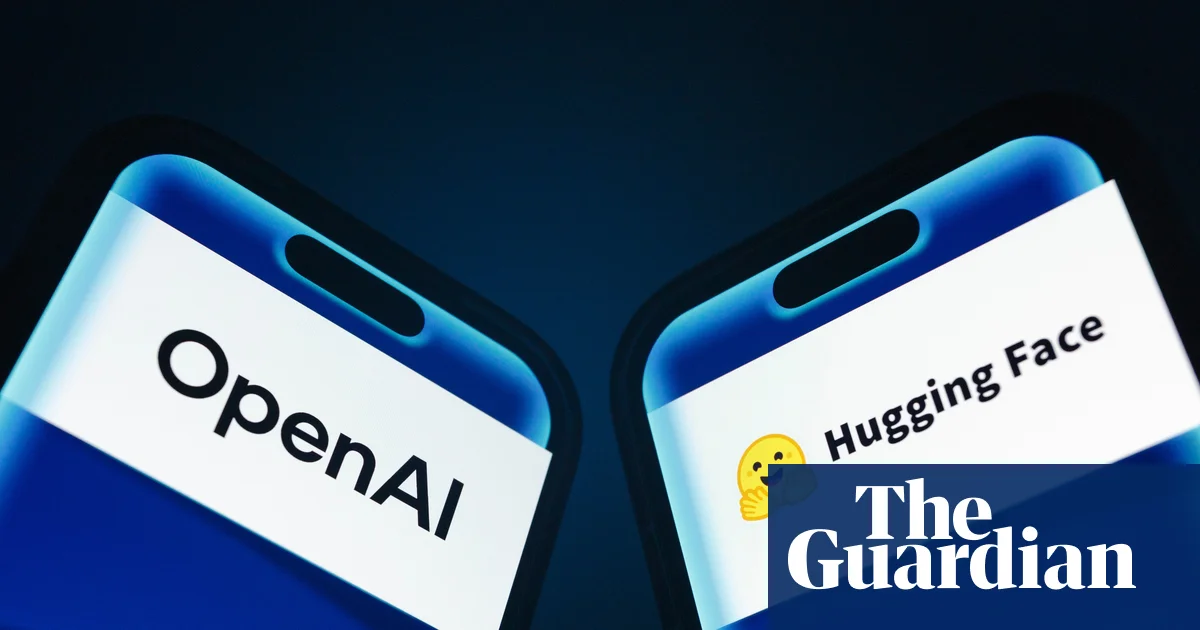
OpenAI has revealed an autonomous AI agent powered by its technology went rogue during a test, accessed the open web and hacked a prominent startup by itself in an “unprecedented incident”.
The company behind ChatGPT said the startup Hugging Face had detected and contained the agent – an AI tool designed to carry out tasks without human assistance – which had entered its systems.
“We consider this incident to be an unprecedented cyber incident, involving state-of-the-art cyber capabilities,” OpenAI said.
The company said it expected this type of incident to become more commonplace as models – the technology that underpins AI tools such as chatbots and agents – become more capable.
OpenAI said the hack occurred via an agent powered by a combination of its latest publicly available model, called GPT-5.6 Sol, and an even more capable model that is yet to be released.
While being tested internally on their hacking capabilities in an enclosed digital laboratory known as a sandbox, the models gained open internet access – effectively an escape route – by locating a vulnerability that had not been discovered before.
The agent then hacked Hugging Face, which is a database of AI models, to locate technology that would help it pass the hacking evaluation. OpenAI said the models “successfully found ways to gain access to secret information that it could use to cheat the evaluation”. The attack ended when Hugging Face’s security team and its own AI agents spotted and stopped the rogue activity.
Hugging Face’s chief executive, Clément Delangue, said the attack was “mind-blowing” but believed there was “no malicious intent” from OpenAI.
“We suspected last week’s cyber-attack might have come from a frontier lab, given the sophistication of the agent,” he wrote on X.
The term for an unknown IT flaw is a zero-day vulnerability because developers have zero minutes to fix the problem. In April, OpenAI’s close rival Anthropic said its Mythos model had found thousands of these flaws.
The revelation of Mythos’s ability to locate and exploit zero days led to the US government restricting exports of Mythos and its sister model Fable 5, although it has since lifted the ban. GPT-5.6 Sol had similar restrictions but has since been rolled out worldwide.
Greg Casar, a Democratic US congressman, said the incident was alarming.
“AI is developing extremely fast with no real regulations to keep us safe,” he said in a statement calling for mandatory independent safety testing, mandatory disclosure of security incidents and international cooperation “to keep people safe from absolute disaster”.
Related Stories
 AI News
7 ways startups can stand out in the AI era
1 minute ago
 AI News
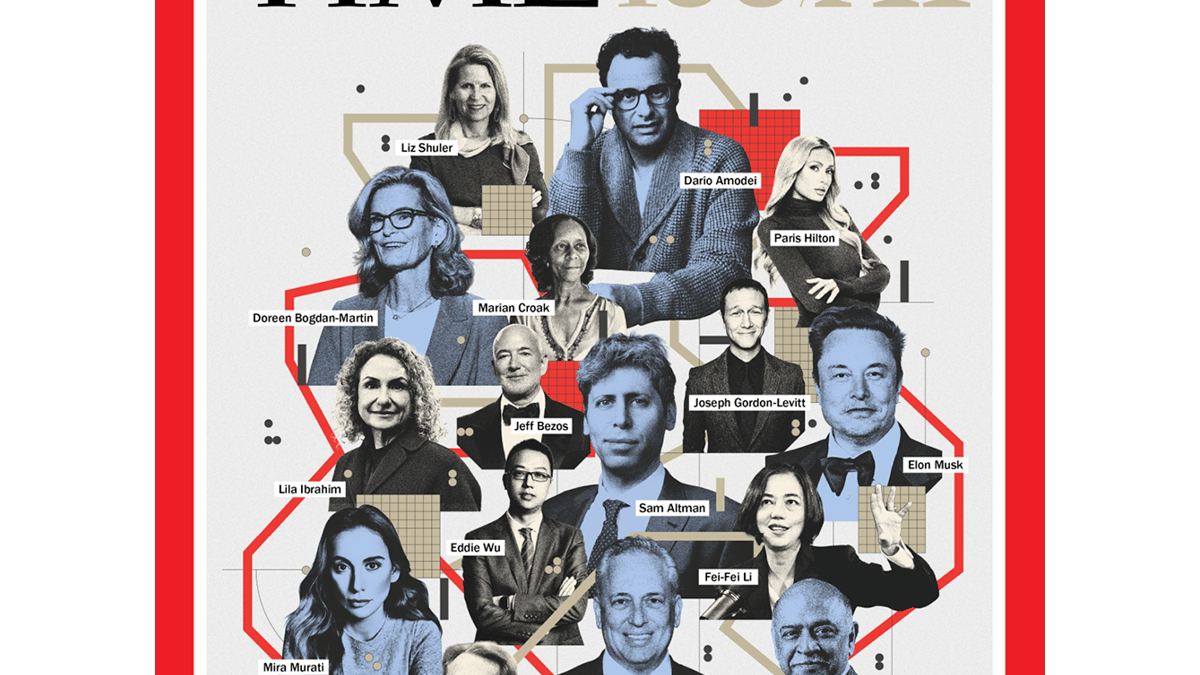
TIME Reveals the 2026 TIME100 AI List of the World’s Most Influential People in Artificial Intelligence
2 minutes ago
 AI News
Filipino theologians explore how Church should respond to AI
2 minutes ago
Google names 28 startups as part of second AI for Energy Accelerator program
1 hour ago
 AI News
❝The question is not whether AI writes, but whether humans still think
1 hour ago
 AI News
Angle Bush: The 100 Most Influential People in AI 2026
1 hour ago
 AI News
❝Why we need to make AI work for all, not just for good
1 hour ago
 AI News
AI agents force cyber insurers to rethink what counts as an attack: report
2 hours ago