
Pakistan Read Trump Better Than India Did
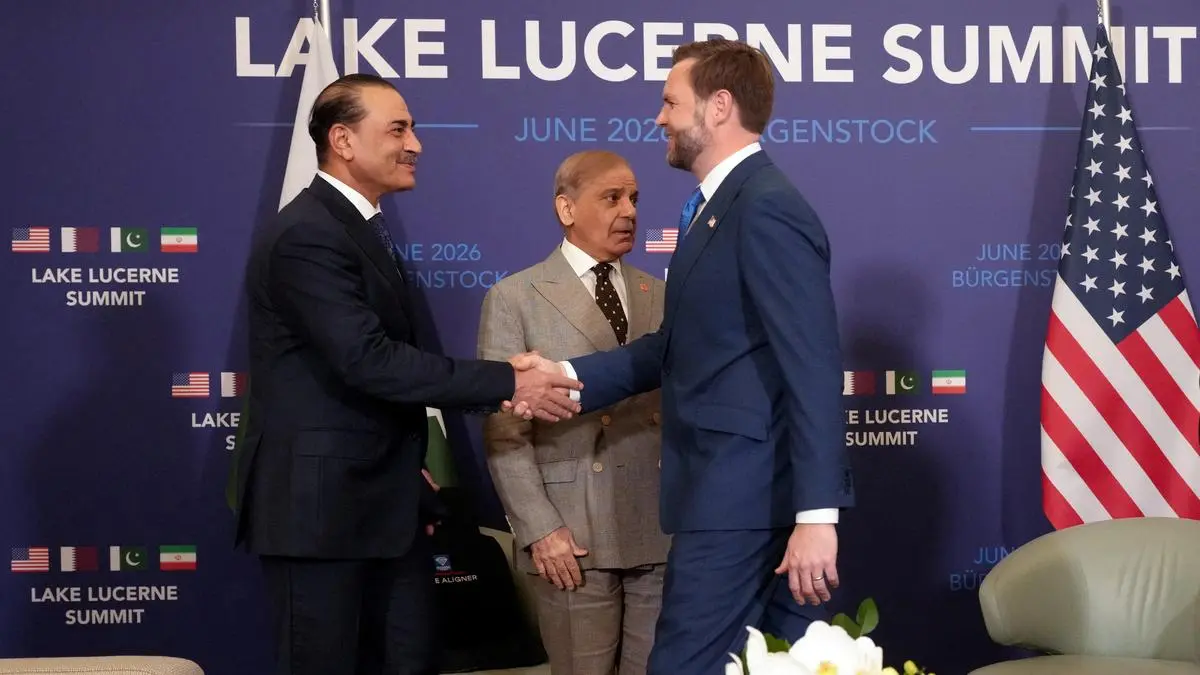
US Vice President J.D. Vance’s remarks during the Iran peace talks in Switzerland deserve far greater attention in New Delhi than they have received so far. Reflecting on the diplomacy of the past three months, Vance said that he had “probably talked to [Pakistani] Field Marshal [Asim] Munir more than I’ve talked to anybody else”. He went further, declaring, “We would not be here without his statesmanship,” describing Munir as “a great diplomat” and “an amazing friend of the United States”.
These were extraordinary words for the Vice President of the US to pronounce in public. Moving beyond diplomatic pleasantries, they were a public acknowledgement that Pakistan’s army chief has been one of the US’ closest foreign interlocutors during the most dangerous crisis of Donald Trump’s second presidency.
India should ask a simple question. What does the US now believe it owes Munir, and how will it repay the debt?
That question may prove far more important than any joint statement or official communiqué issued over the past year. Trump entered the Iran crisis with the strong belief that it would help him show off his strength and decisive leadership to an admiring world. Instead, Iran’s refusal to buckle under US pressure prolonged the conflict and produced a crisis that threatened to become the defining foreign policy crisis of Trump’s presidency. The prospect of one more war, one more open-ended US military commitment on foreign shores, rising energy prices and a fragile global economy, and domestic political criticism rapidly eroded whatever political dividends he had hoped to gain.
It was at this moment that Pakistan quietly entered the picture and made itself so useful that the US turned to it gratefully. Islamabad positioned itself as a credible intermediary, with Munir emerging as the principal channel through which sensitive political messages could move. The diplomatic process that eventually led to negotiations in Switzerland gave the Trump administration something it desperately needed: a pathway out of an increasingly dangerous confrontation, while allowing the President to claim that his strategy had produced a diplomatic victory rather than another endless war.
Whether every detail of those negotiations will eventually become public is almost irrelevant at this point. What matters is how Trump and Vance themselves see the episode, and here Vance’s remarks leave little room for doubt. He clearly believes that Munir’s leadership and diplomacy have been instrumental in bringing the process to its present stage. In Trump’s quid pro quo universe, that creates something far more valuable than mere goodwill. It creates obligation.
Iran's Foreign Minister Abbas Araghchi with Pakistani Prime Minister Muhammad Shehbaz Sharif and Field Marshal Asim Munir during the Iran peace talks, at the Bürgenstock Resort Lake Lucerne, Switzerland, on June 21, 2026. | Photo Credit: Fabrice Coffrini/Pool/AFP
While Pakistan’s success with the US did not begin with the Iran negotiations, they cemented a relationship that had been developing for months. In this, Operation Sindoor marked an important turning point. Trump repeatedly claimed credit in public for bringing about the India-Pakistan ceasefire and openly spoke of deserving recognition for preventing a wider conflict in the sub-continent. Pakistan understood that Trump valued recognition as much as outcomes and reinforced his narrative rather than contesting it.
Munir also understood something more fundamental about Trump: Trump rewards people who help him solve immediate political problems. Strategic theories, historical partnerships, and institutional relationships matter far less to him than personal trust built during moments of crisis. Pakistan steadily made itself useful and trustworthy. Iran provided the opportunity to convert that usefulness into influence.
The result is now visible, with Trump having hosted Munir with unusual warmth and Vance now publicly validating him. When the US administration credits the Pakistani army chief on the global stage with statesmanship and diplomatic success, it is not routine diplomacy but rather the result of political capital accumulated at the highest level of the US government.
Meanwhile, India has continued to diligently strengthen its strategic partnership with the US, and rightly so. That partnership remains robust and indispensable to both countries. India, however, made the mistake of assuming that strategic convergence would automatically translate into political influence with Trump.
Trump has never operated that way. His foreign policy is intensely personal. Trust is earned through direct engagement and personal capital, and reinforced by political usefulness. Leaders who help him navigate crises and make him look better on the world stage can acquire an influence that formal partnerships and diplomatic engagement alone cannot provide.
While India got trapped into believing that two decades of steadily expanding ties would have created ample momentum for it to sustain an important relationship regardless of who occupies the Oval Office, Pakistan recognised that under Trump, relationships are built one crisis at a time.
This is why Vance’s remarks should concern New Delhi. They are not simply generous words about Pakistan’s army chief but an unintended disclosure of where influence now resides inside the Trump administration. India remains US’ most important long-term strategic partner in Asia, and nothing that Pakistan has achieved changes that reality. But long-term strategy does not always determine short-term decisions the way a personal trust equation often does.
If Trump and Vance believe that Asim Munir helped rescue their administration from its gravest foreign policy crisis, then that translates into a debt in their world. Debts of this nature are rarely forgotten and are likely to be repaid through access, influence, and due political consideration when future decisions are made.
Field Marshal Munir has shown himself to be shrewd enough to be acutely aware of this. It would be naïve to assume that he will allow the considerable diplomatic credit he has accumulated in Washington over the past few months to remain unused. He is likely to call in those debts in the months ahead. India would do well to be prepared.
Anil Raman is a retired Army Brigadier who focusses on US politics and foreign policy in the Geostrategy Programme at the Takshashila Institution.
Also Read | Making peace the Qatari way
Related Stories
 AI News
Photos show Pride around the world: Monthlong celebration ends with iconic U.S. parades
41 minutes ago
 AI News
England's World Cup 2026 fixtures, schedule and tournament route to final
41 minutes ago
 AI News
England fans react to 2
42 minutes ago
 AI News
France records 1,000 excess deaths during record
42 minutes ago
 AI News
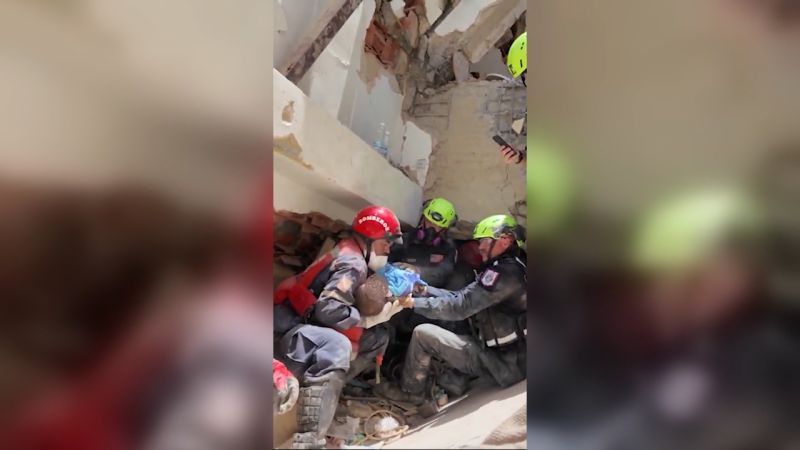
Baby rescued from rubble days after Venezuela quake
42 minutes ago
 AI News
A glacial lake in B.C. is at risk of bursting
43 minutes ago
 AI News
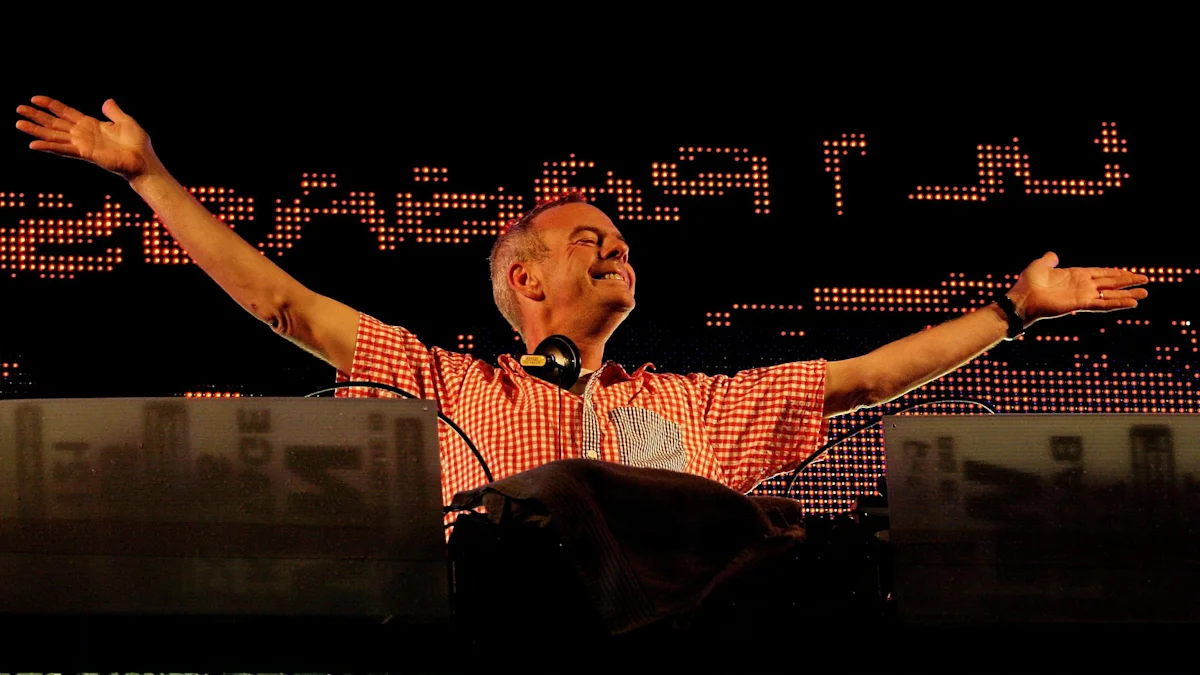
Fatboy Slim to play sold
43 minutes ago
 AI News
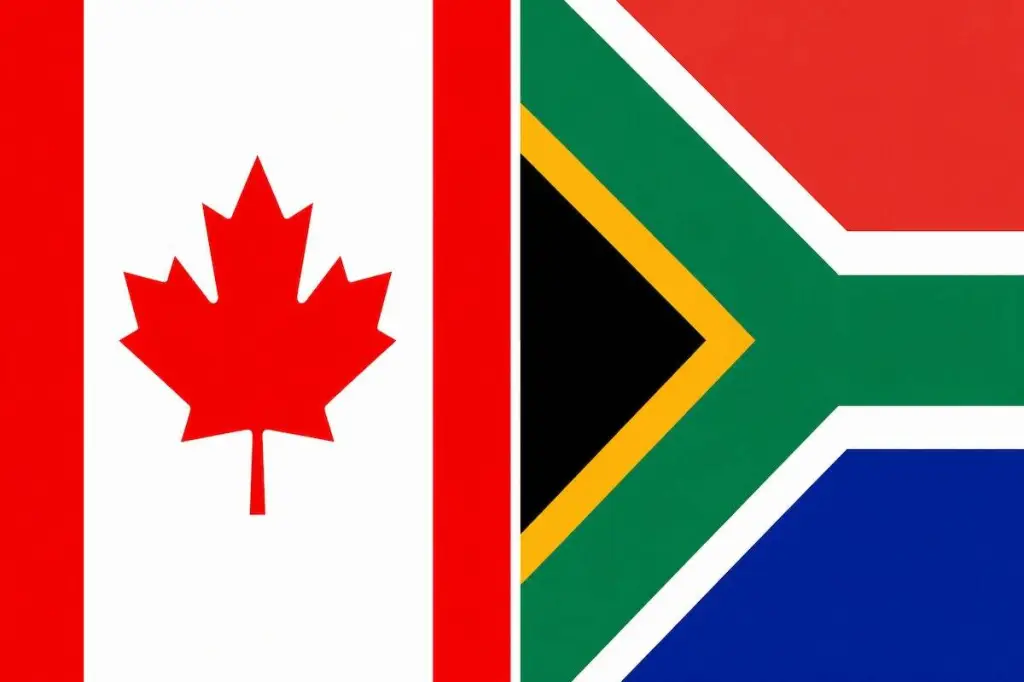
WORLD CUP: Canada meets South Africa in round of 32
43 minutes ago