
Panelists make cases for and against Alberta separation
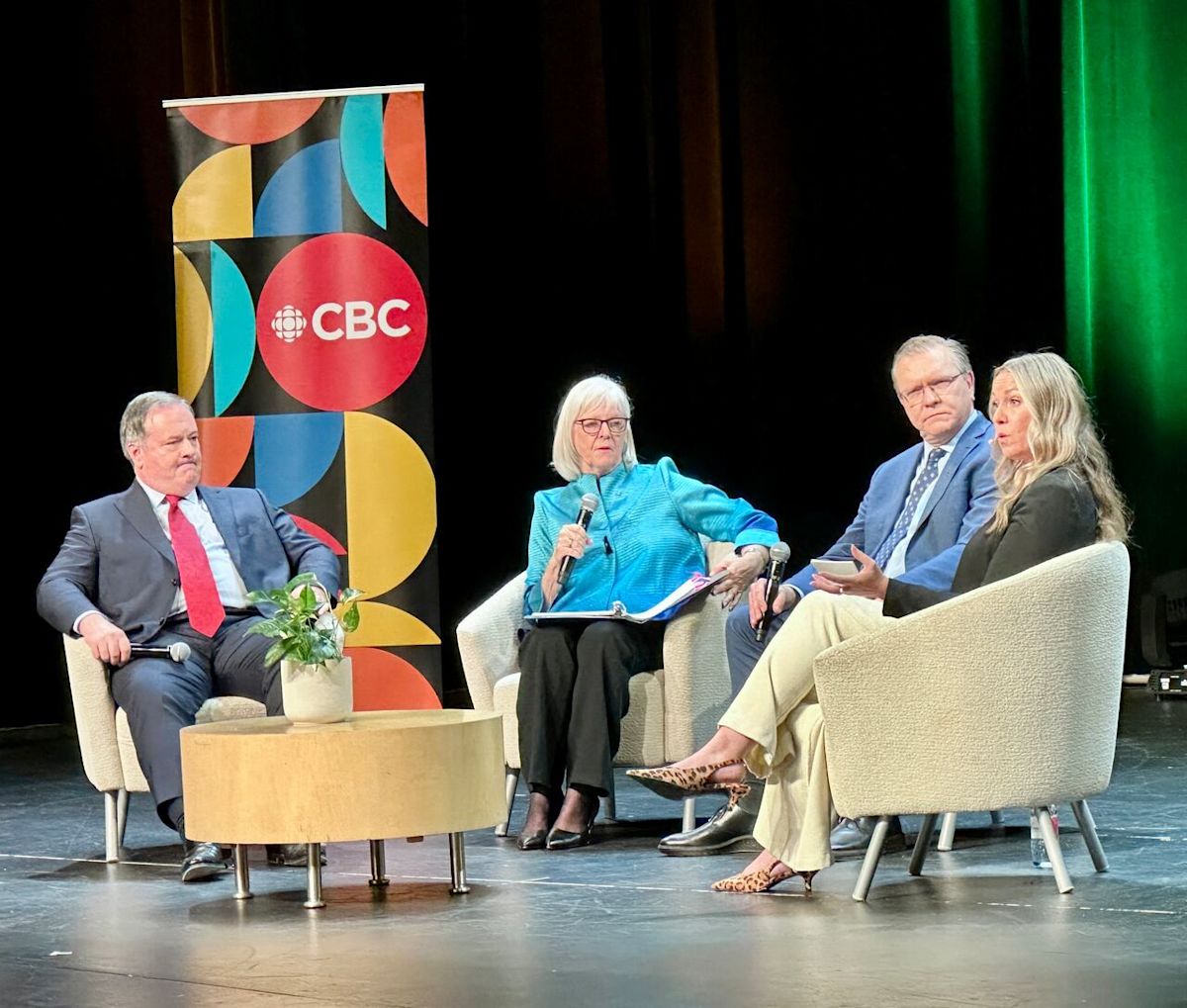
Alberta leaders on both sides of the aisle debated about separation Friday evening, joining CBC Radio's Edmonton AM host Tara McCarthy for a panel discussion ahead of the provincial referendum.
During Friday's event at the Horowitz Theatre, Keith Wilson, leader of the pro-independence group Let Alberta Decide, advocated for the potential benefits of secession. Former Alberta premier Jason Kenney and lawyer and educator Marie Gordon made their cases for staying in Confederation.
Kenney pointed to the Quebec referendum of 1980, where nearly 60 per cent voted against pursuing secession.
"That didn't stop the separatists; that just encouraged them," he said during the panel, which was put on by CBC Edmonton and the University of Alberta Students' Union (UASU).
"I'm concerned that a large minority vote will simply turn this into a permanently divisive fact in our politics."
Wilson warned, however, that striking down any talk of separation is undemocratic.
"We have a legal constitutional pathway. We have reasonable expectations. We have honorable goals, whether you disagree with them or not," he said. "I think this conversation has started. I think it's going to continue. I think it's going to get more refined."
To separate, or not to separate
Kenney noted several other concerns about separation, including what it could cost Alberta's economic growth.
"If we were to trip into this — into the negotiations that Keith wants — then suddenly the pro-growth tailwinds would turn into very substantial headwinds, represented by political uncertainty," he said.
"What investors crave in this Trumpian world more than anything is political certainty, and we would become the opposite. We would become a billboard for uncertainty, which would at least slow down — and potentially freeze — a lot of that prospective investment."
Friday's panel was organized by CBC Edmonton and the University of Alberta Students' Union (UASU). (Adrienne Lamb/CBC)
Wilson, however, believes Alberta has the means to continue on its own.
"Alberta is an economic powerhouse, we're the only growing region of the country — and we're growing despite laws from Ottawa that would hold us back," Wilson said.
Kenney also raised that the relationship with First Nations groups could be harmed, if Albertans vote to initiate the legal process to hold a binding referendum on separation.
"The vast majority of them are commercial partners in — and often equity co-owners of — pipelines, major production," he said.
"If Keith gets his way, … suddenly that positive relationship flips and we go from First Nations being allies and advocates of economic growth and resource development, to hitting the brakes on everything because they take an entirely reasonable position."
Wilson said he was disappointed to see the reports coming out examining the potential impact of Alberta independence.
One of those, commissioned by the provincial government and conducted by the University of Calgary, forecasted that separation could cost Alberta $170 billion over five years.
Wilson believes the reports looking into the viability of an independent Alberta aren't entirely reliable, he said, suggesting they all focused on the worst possible outcomes.
Albertans will be asked 10 questions in the Oct. 19 referendum. Only one regards the province's place within Canada. The other nine relate to immigration and the Constitution.
Wilson feels the separation question is the most important, because the others don't "lead to a binding mechanism to force the federal government and the provinces to come to the table and look at constitutional change," he said.
But Gordon, the lawyer and educator, disagreed. She said she's concerned the other nine questions will send a message — both about immigrants and the federal government.
"These questions are really intriguing in terms of, not only what they ask, but what they say," she said.
Five questions revolve around immigration policy, including whether the Alberta government should have more control and if non-permanent residents, at least for a time, should pay to access certain social services, like health care.
"I'm really worried about [the] scapegoating and blaming newcomers that is embedded in each of those five questions," Gordon said.
The remaining four questions focus on constitutional issues, such as judicial appointments and abolishing the Senate. Gordon called them a "very interesting blaming exercises," saying each of the four places blame on the federal government, Senate and judges.
Related Stories
 Canada
PQ leads a crowded Quebec election field into vote
35 minutes ago
 Canada
Hyundai warns Ioniq 9 seats may not stop moving
35 minutes ago
 Canada
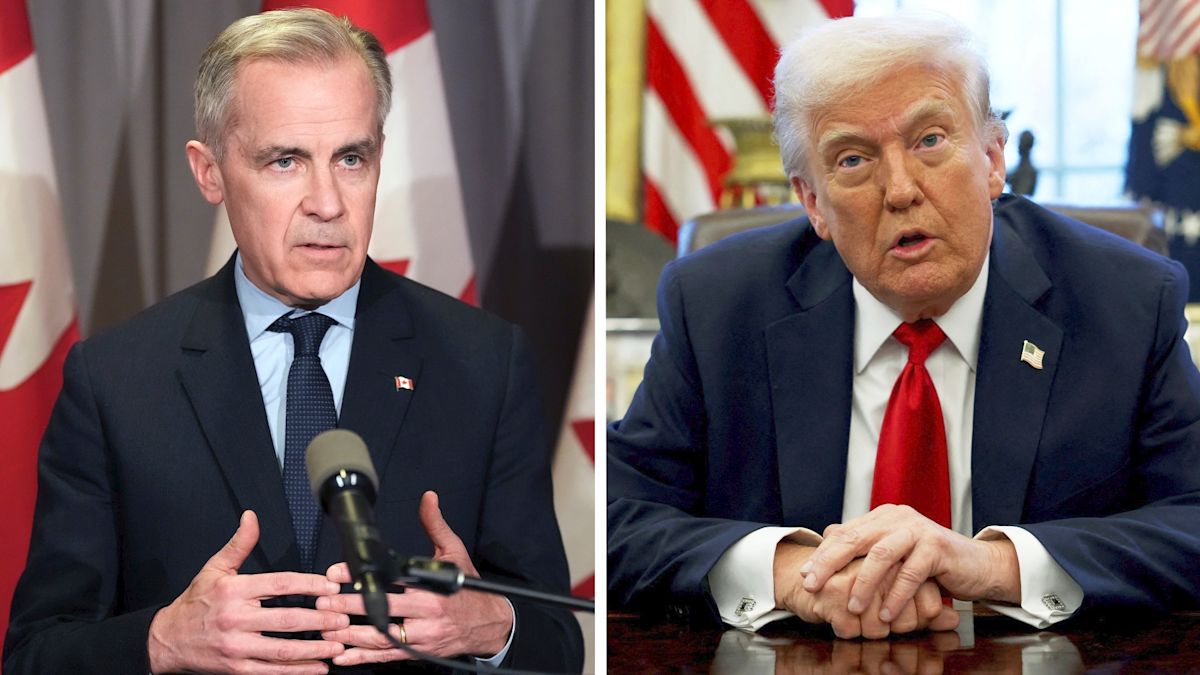
Ottawa and Washington relationship 'the worst in modern history': Ex
35 minutes ago
 Canada
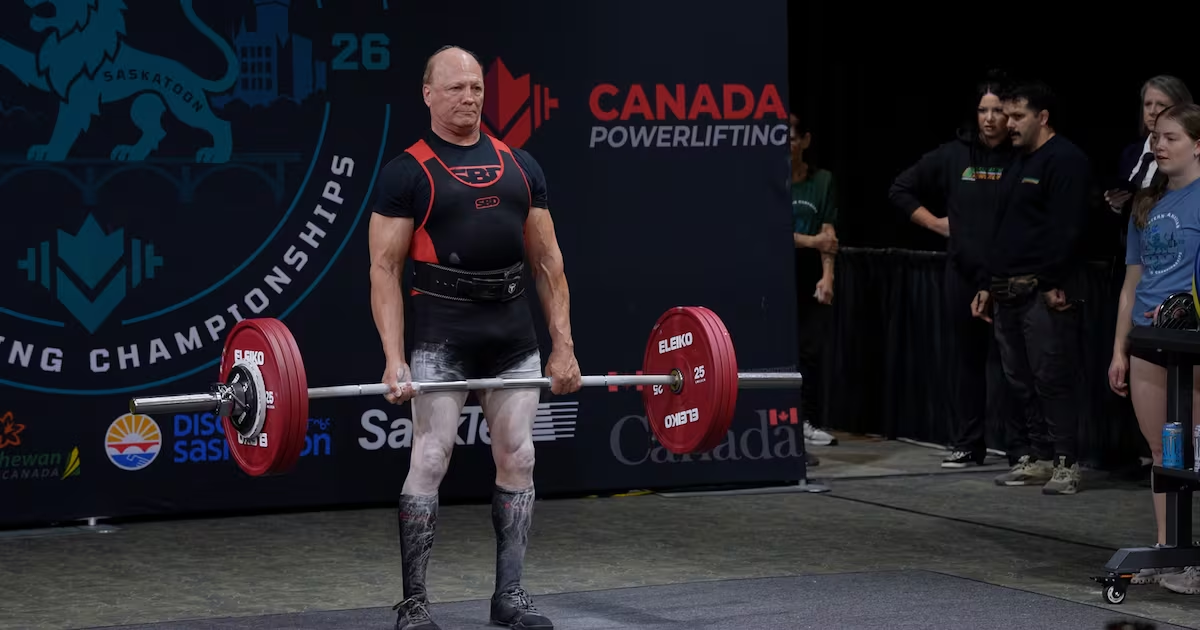
Athletes from across Western Canada compete in 2026 Powerlifting Championships in Saskatoon
35 minutes ago
 Canada
Four Canadians aboard Ontario
35 minutes ago
 Canada
One dead after two
1 hour ago
 Canada
How to watch USA vs Canada live: Stream, TV channel, team news, prediction
1 hour ago
 Canada
'This is home for me': Amber Marshall reflects as 20th season of Heartland set to begin
1 hour ago