
Pope: Humanity’s future depends on collaboration in building a more humane world
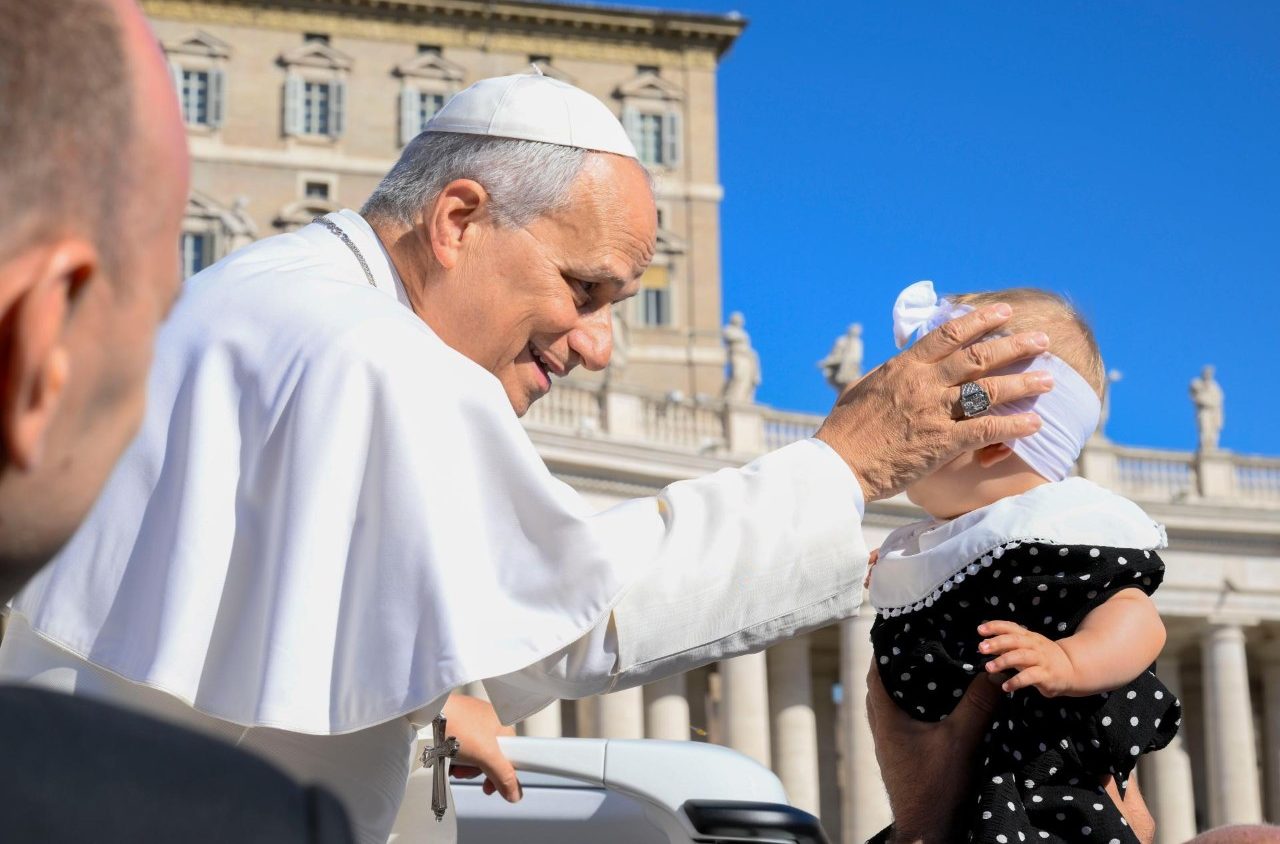
Pope: Humanity’s future depends on collaboration in building a more humane world
In St. Peter’s Square for his weekly General Audience, Pope Leo XIV continued his catechesis cycle on the Constitution Gaudium et spes (GS), whose second chapter is dedicated to the “human community.”
Gaudium et spes highlights the “the growing interdependence of men one on the other” as “one of the salient features of the modern world”. Yet, the Pope pointed out that this must find fulfilment “on the deeper level … of this communion between persons”, for which “a mutual respect for the full spiritual dignity of the person” is essential.
Turning to algorithms rather than people
In today’s world, Pope Leo stressed that these two statements from the Constitution are ever more urgent. Technological advancement, the spread of mass and social media, and the growing use of AI, on the one hand, create new opportunities, break down barriers, and bridge gaps.
However, on the other hand, these developments have also led to more virtual, less personal relationships. There is also the risk that people grow used to turning to algorithms for choices that should be reserved only for the human conscience.
“Ensuring that social relationships have real substance and personal depth is, in this regard, the contribution that the Christian community seeks to offer,” the Pope explained.
Everyone, he said, should be part of one family and treat each other as brothers and sisters. For this reason, “‘love for God and neighbour is the first and greatest commandment’ which found its full revelation and complete fulfilment in Christ”.
The perfection of the human person and society’s development must be held as “closely interdependent.” Pope Leo warned that if they are set “against one another” or if they are separated, it “would be to render them meaningless.”
This is can be seen throughout in history. That is why, as the Fathers of the Second Vatican Council stated, all social institutions must have the human person as their subject and goal.
Gaudium et spes, in this regard, highlights the diversity of people around the world as “a resource for enrichment and growth” rather than “as a danger or a threat”. Conflict, which can turn into violence, stems from the power of sin and the way “it conditions mindsets and actions at every level, causing destruction and death.”
To contrast this, the Pope encouraged everyone to be even more open to “the logic of reciprocity, sharing, and care”.
In Gaudium et spes, the common good is made of “the sum of those conditions of social life which allow social groups and their individual members relatively thorough and ready access to their own fulfilment”.
This goes hand-in-hand with recognizing the “interdependence between peoples”, as each social group needs to take into consideration every group’s needs and goals as well as the general wellbeing of the entire human family.
Practical and urgent consequences
With this in mind, the Council Fathers laid out “practical and particularly urgent consequences”. First, respect for the human person. Anything opposed to life itself, violates the integrity of a person and insults human dignity: “all these things and others of their like are infamies indeed” (ibid).
The second consequence is the fundamental equality of each and every human being, “which demands social justice.” Discrimination of any kind must be overcome and “eradicated as contrary to God’s intent”.
Pope Leo pointed out that the Council Fathers challenge us to “overcome the individualistic mindset and to adopt an attitude of responsibility and participation”.
He concluded that this vision of humanity as a “community of people” is “a valuable legacy that the Second Vatican Council has left us.” It calls us to make personal and communal discernment in order to evaluate current political and social events with the criteria of human dignity in mind.
“For the future of humanity depends on each person’s commitment to collaborate with God and with their brothers and sisters in building a more humane world.”
Related Stories
 World
World
Is Donald 'drill, baby, drill' Trump helping the world transition away from oil?
20 minutes ago
 World
World
EU Set to Restart Scrutiny of Subsea 7
1 hour ago
 World
World
EU plans new firefighting fleet after deadly summer heat wave
2 hours ago
 World
World
3 people killed when NBC and Telemundo news helicopter crashes while covering LA bus accident
3 hours ago
 World
World
EU ‘most precarious’ it has ever been as it faces openly hostile world, von der Leyen warns
3 hours ago
 World
World
Man in Bahamas charged over killing spree, remanded
4 hours ago
 World
World
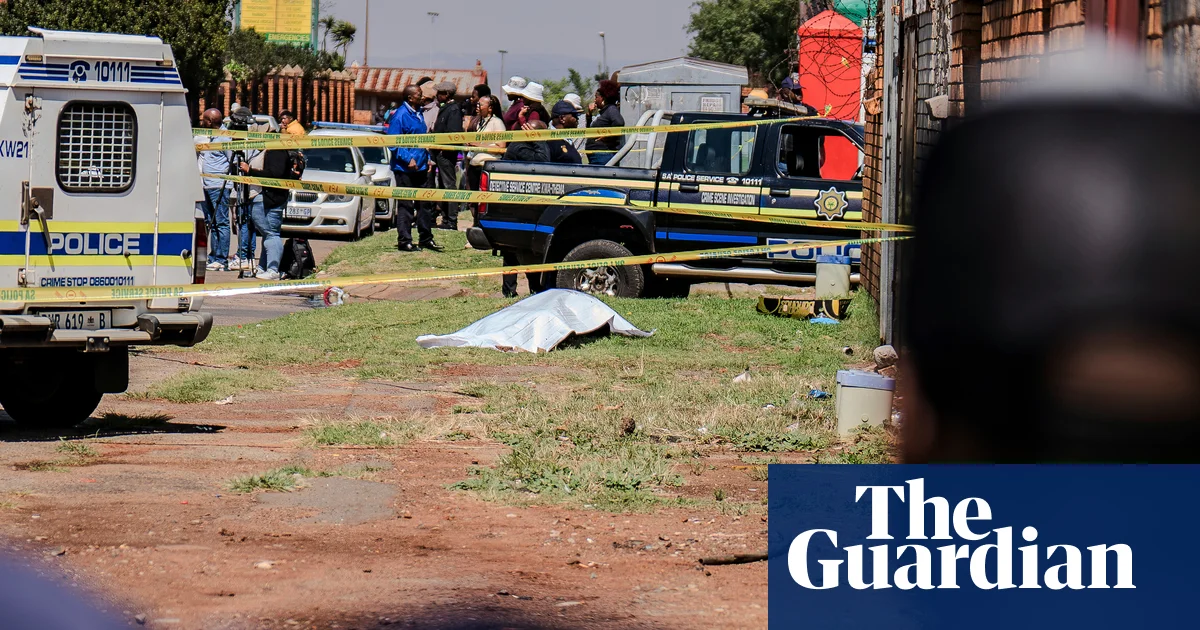
‘We are prey’: discovery of seven women’s bodies fuels anger over femicide in South Africa
5 hours ago
 World
World
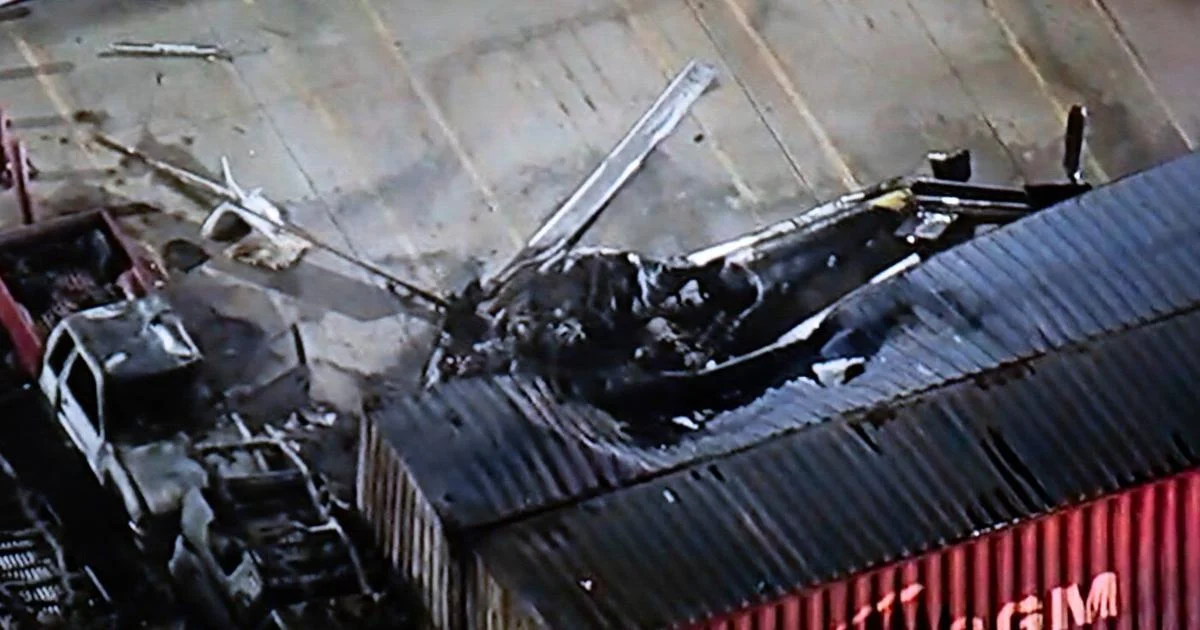
3 people killed when NBC news helicopter crashes while covering Los Angeles bus accident
5 hours ago