
Posthaste: Alberta leads the rest of Canada in creating jobs, just not for the reason you think
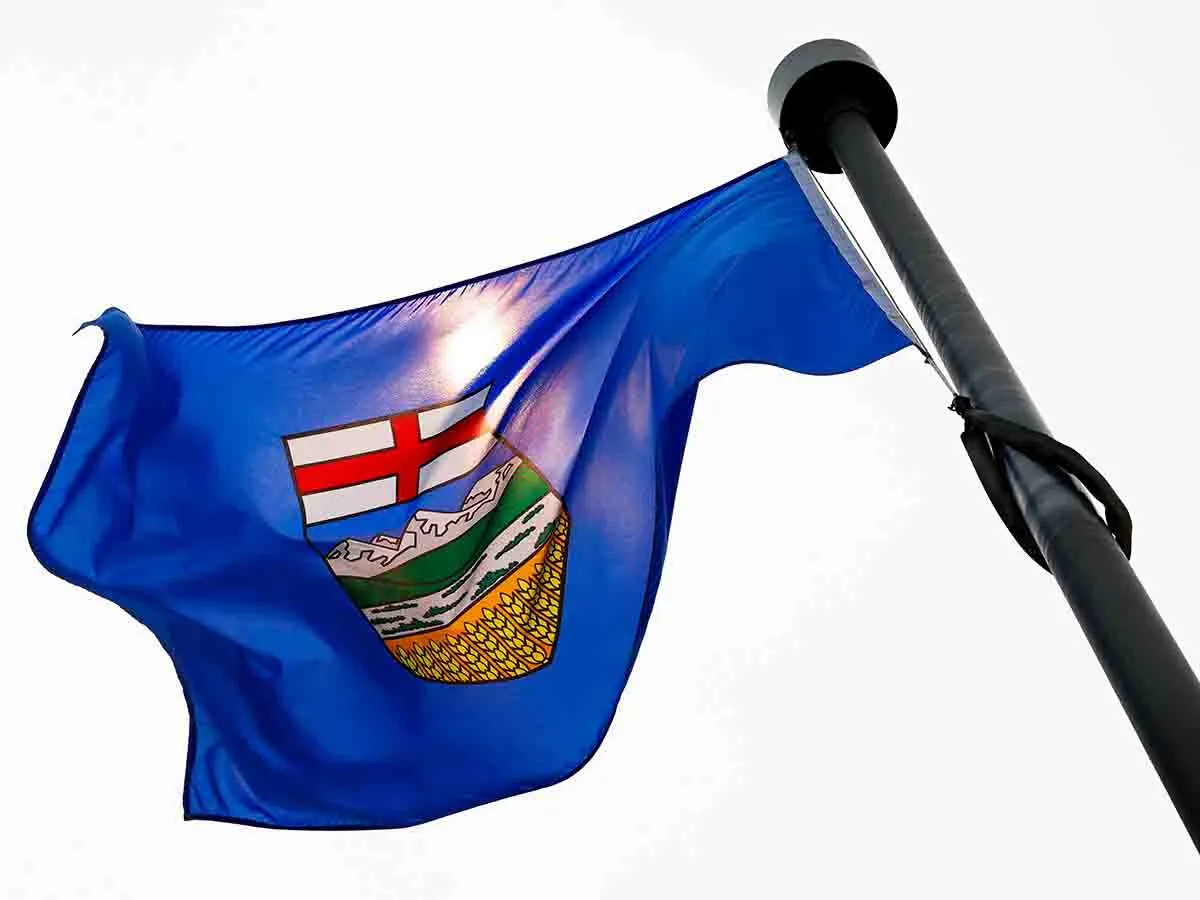
Alberta is Canada’s job creation star so far this year, but no thanks to the energy sector, says a new report from Royal Bank of Canada.
The province had added nearly 79,000 more jobs as of June 2026 compared to a year ago, “but (its) traditional growth driver — the energy sector — has not been behind the increase,” Salim Zanzana, an economist at RBC, said in the report on Thursday.
Oilpatch hiring “remains largely unchanged” despite robust oil production and export demand, he said.
Instead, health care, social assistance and public administration accounted for the gains, with full-time jobs outpacing part-time roles 58,500 to 20,100.
Alberta has sped ahead of the rest of the country, with job growth up three per cent year over year so far outpacing all the other provinces except Prince Edward Island.
Ontario was the only other province to log in “notable job gains” — 65,600 — though the year-over-year increase of 0.8 per cent paled against Alberta’s three per cent, Zanzana said. Otherwise, job growth was largely stagnant in several provinces, with labour markets contracting in Quebec and British Columbia.
Demographics are driving Alberta’s job creation juggernaut, the RBC economist said.
The province’s population grew by more than 570,000 between the second quarter of 2022 and the second quarter of 2026 — a 13 per cent gain. As of the first quarter of this year, it was one of only three provinces to record growth, while the populations in six others, including Ontario and Quebec, shrank.
That population burst resulted in a significantly higher increase in demand for health-care services.
Growth in that area of Alberta’s workforce trailed demand from 2022 to 2025 as the number of workers per capita in the sector declined. Zanzana said the province has since caught up and now has the highest number of health-care and social-assistance workers per 1,000 people compared with British Columbia, Quebec and Ontario.
Despite strong job creation, Alberta’s unemployment rate is still “elevated,” hovering in the 6.5 per cent to seven per cent range recently after rising above eight per cent last August. Zanzana said he expects the jobless rate will continue to come down as population growth slows.
Net international immigration to Alberta turned negative in the first quarter of 2026 for the first time since the third quarter of 2020, and Zanzana said RBC has noted a slowdown in Canadians moving to Alberta from other provinces such as B.C. and Ontario.
As for the energy sector, it’s unclear whether the job creation picture will shift gears anytime soon.
“Advances in technology, automation and operational efficiency have enabled energy producers to expand and improve output without having to add jobs as in the past,” he said.
Related Stories
 Canada
Albertans head to polls in historic referendum on whether they want to stay in Canada
3 days ago
 Canada
In the news today: four soldiers killed, Alberta referendum, AI privacy fears
3 days ago
 Canada
How a grass fire at a Canadian military base killed four soldiers
3 days ago
 Canada
How will household electricity rebate reduction, temporary winter pricing change impact Ontarians?
3 days ago
 Canada
Residents told to boil tap water due to bacteria
3 days ago
 Canada
Oil
4 days ago
 Canada
Albertans vote on path to independence as Carney fights to keep Canada united
4 days ago
 Canada
Two of 4 soldiers killed in fast
4 days ago