
Posthaste: How Canada's counter tariffs could pile more pain on the economy
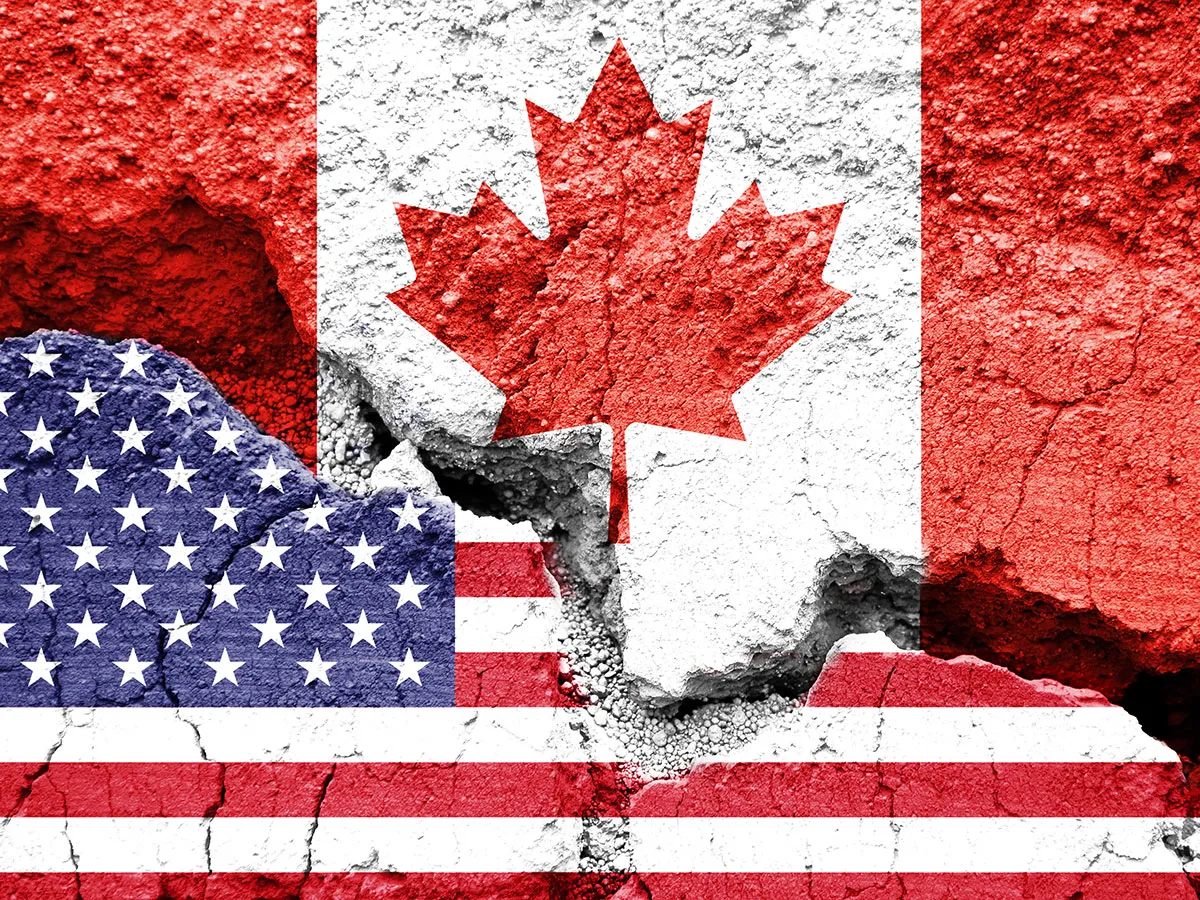
Canada’s counter tariffs hitting back at U.S. President Donald Trump’s recent foray in the trade war will just drag on growth and raise prices for Canadians, economists warn.
In response to Trump’s 50-per-cent tariffs on $28-billion worth of Canadian goods imposed after trade talks broke down in late August, Prime Minister Mark Carney announced duties “dollar for dollar” on about eight per cent of Canada’s imports from the United States.
These tariffs, set to start Sept. 8, raise existing duties on some products such as steel and aluminum products to 50 per cent, and put new penalties on machinery, paper, electrical equipment, furniture and plastics.
But rather than helping Canada, the counter tariffs amount to an own goal on the Canadian economy, concludes an analysis by Oxford Economics.
“Canada’s new retaliatory tariffs will help some industries but hurt most and weaken economic growth across the country by raising costs for producers and consumers,” said Oxford economists Tony Stillo and Michael Davenport in the report.
Oxford estimates that the combined impact of both U.S. and Canadian tariffs will shave about 0.3 per cent off its previous forecast for output in 2027. That impact is estimated to double by 2035 as the knock-on effects spread to the broader economy.
The economists also predict that Canada’s inflation rate will rise 0.5 percentage points in 2027 above their previous forecast as producer prices climb. The impact on prices will continue to build through 2030.
“Canadian tariffs on U.S. products effectively act as a tax on the domestic economy,” said the economists.
“This will weigh on household disposable income and profit margins for firms, and create a broader drag on the Canadian economy beyond directly affected sectors.”
Some sectors such as paper, wood, steel and aluminum will benefit because the Canadian tariffs will reduce U.S. imports and encourage substitution with domestic products, but it will not be enough to offset the negative impact of U.S. tariffs.
“All provinces will see deeper negative economic impacts from the new Canadian retaliatory tariffs, but some will be hit relatively harder than others,” said the economists.
Ontario and Quebec will be hit the hardest because of their higher concentration of manufacturers and their greater reliance on U.S. exports.
But provinces with large service sectors like British Columbia and Atlantic Canada will also be affected as higher prices weigh on their economies.
The federal government has pledged $7.5 billion to support households and businesses, but it won’t overcome the negative impact of tariffs, said the economists.
“Federal fiscal relief will briefly cushion the negative economic impact but won’t offset the overall drag from the new bilateral U.S.-Canada tariffs.”
Related Stories
 Canada
Albertans head to polls in historic referendum on whether they want to stay in Canada
10 hours ago
 Canada
In the news today: four soldiers killed, Alberta referendum, AI privacy fears
10 hours ago
 Canada
How a grass fire at a Canadian military base killed four soldiers
10 hours ago
 Canada
How will household electricity rebate reduction, temporary winter pricing change impact Ontarians?
11 hours ago
 Canada
Residents told to boil tap water due to bacteria
11 hours ago
 Canada
Oil
12 hours ago
 Canada
Albertans vote on path to independence as Carney fights to keep Canada united
12 hours ago
 Canada
Two of 4 soldiers killed in fast
13 hours ago