
Posthaste: The Bank of Canada's neutral rate might be too high, says this economist
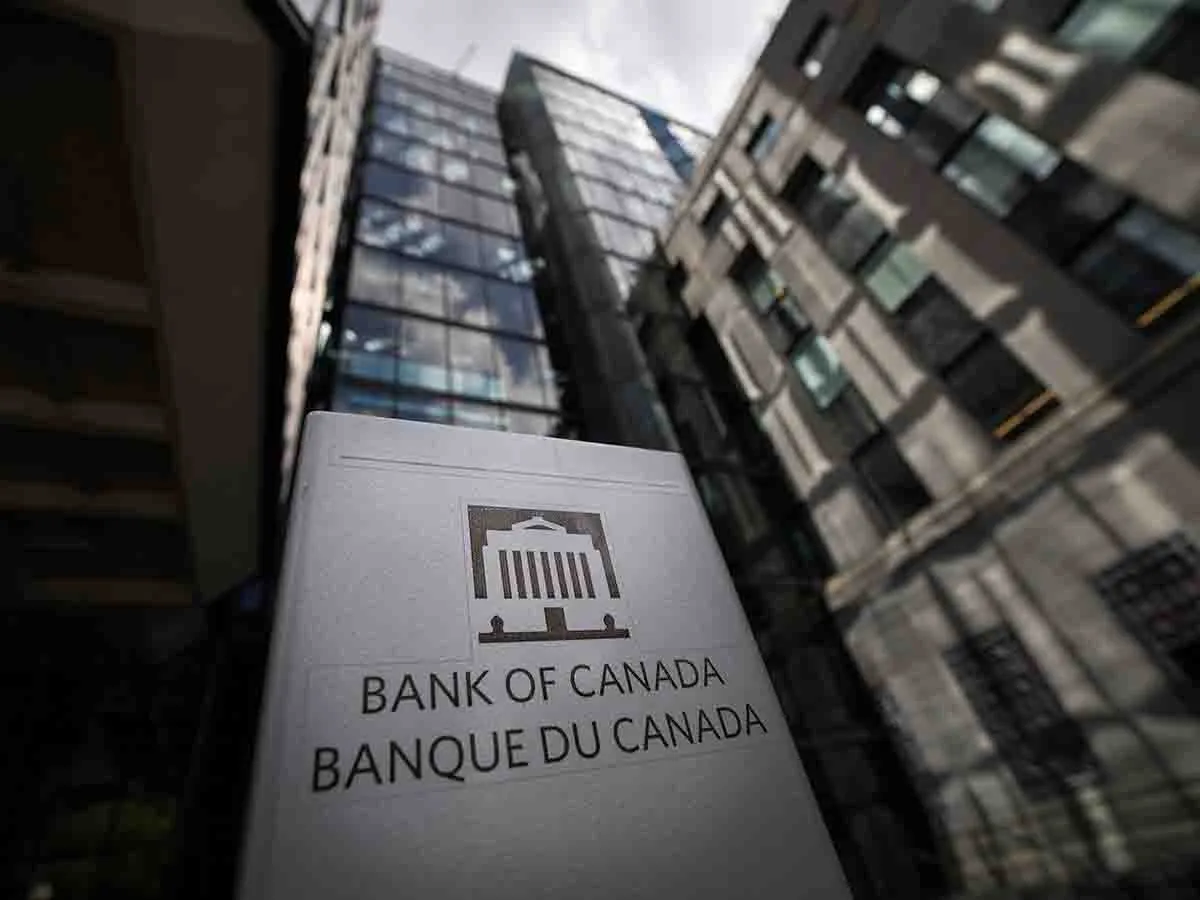
The Bank of Canada‘s neutral interest rate might be as much as 50 basis points too high, so a lower rate should be called for, says a new report by Rosenberg Research & Associates Inc.
A 50-basis-point cut would drop the neutral range to 1.75 per cent to 2.75 per cent from the current range of 2.25 per cent to 3.25 per cent, which was reaffirmed by the Bank of Canada in April.
The neutral rate refers to interest rates that neither stimulate nor slow the economy. The Bank of Canada has held its overnight lending rate at the bottom of the range at 2.25 per cent for its past five decisions.
“We think that there is more than enough evidence to suggest that the neutral range might actually be lower, possibly by as much as 50 basis points,” David Watt, senior vice president and director of economic research at Rosenberg Research, said in a note on July 9.
Under a lower neutral range, a policy rate of 2.25 per cent would not be as stimulative as it appears to be, he said.
Watt said the evidence that the neutral rate could be too high includes weak economic growth, little pressure on wage growth and core inflation near the Bank of Canada’s two per cent target.
He also said recent economic developments “are expected to weigh on Canada’s neutral rate,” further making the case for a lower one.
For example, population growth contracted at the start of the year for the first time since records have been kept due to immigration cuts while natural population growth stalled. The federal government has more cuts planned for the number of non-permanent residents into 2027, which Watt said will further shrink the labour force.
Meanwhile, permanent resident immigration has slowed and economic immigration is below Ottawa’s target, feeding into “downside risks” to the neutral rate, he said.
Watt said other structural developments that make a case for a lower neutral rate include the slowdown in machinery and equipment investment compared with the United States, where it has been rising for the last 30 years, and the non-renewal of the Canada-U.S.-Mexico Agreement — triggering a decade of reviews — means companies face years of ongoing “trade friction” that will leave businesses feeling squeamish about making any long-term plans.
Even though Canadian exports, with the exception of lumber, autos, aluminum and steel, are subject to the lowest tariff rates compared with other countries trading with the U.S., Watt said businesses should “be prepared for further attempts to erode those protections, given that the U.S. administration has demonstrated more activism on trade and tariff issues.”
The Bank of Canada announces its next interest rate decision on July 15.
Related Stories
 Canada
Mark Carney to attend EU State of the Union address as Canada
28 minutes ago
 Canada
Young Palestinian
1 hour ago
 Canada
The U.S. and Canada could pull back from an all
1 hour ago
 Canada
Blue Jays ace Cease launches artwork, retail collection at Art Gallery of Ontario
1 hour ago
 Canada
Scouts boss charged over missing Canada trip funds
1 hour ago
 Canada
Wiped out: US faces surging toilet paper prices amid trade war with Canada
2 hours ago
 Canada
B.C. premier urges feds to reconsider fighter jet purchase, coal shipments as U.S. trade war ramps up
2 hours ago
 Canada
Retaliatory tariffs could raise costs for Canadian businesses already weathering the trade war
2 hours ago