
'Prize
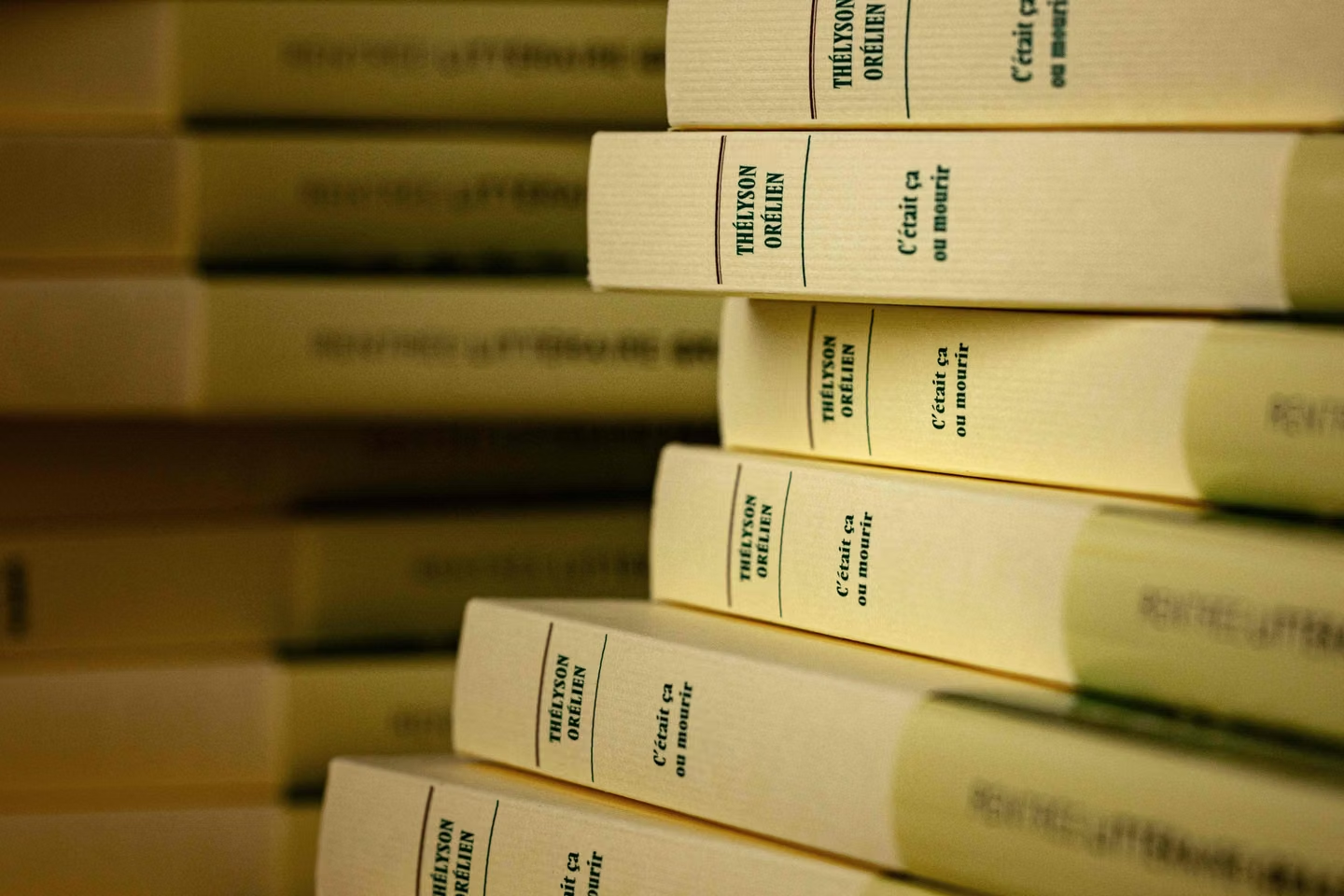
It seemed inevitable that a story like this would happen, and now it has. The Québecois writer of Haitian origin, Thélyson Orélien, was accused of writing his novel C'était Ça ou Mourir ("It Was That or Dying") with the help of artificial intelligence software. Tools designed to catch cheaters say he did. Orélien insists otherwise. His honor is at stake.
For the literary world, already struggling, it is an earthquake. This is happening because the story of a history-geography teacher forced to flee the chaos of Haiti and embark on an odyssey to Canada is the literary revelation of the season. The debut novel, published in France by an unknown poet, has been widely acclaimed by the media, including Le Monde, and has topped the sales charts with about 40,000 copies sold. It is in the running for several of France's major literary prizes, notably the Goncourt.
The fairytale turned into a nightmare on Monday, September 21, when an anonymous X account claimed to have run much of the book through an AI detector called Pangram, with damning results for the author. According to a Figaro article dated September 24, the person behind the account is Samuel Fitoussi, an essayist known for his satirical columns in the newspaper. Orélien's supporters have mocked the tool and denounced what they called a racist smear campaign by right-wing and far-right media against a Black writer and his story about migrants. Others see it as a backroom blow in the publishing world, meant to push a disruptive newcomer out of the prize race.
That overlooks a cold reality: AI detection tools like Pangram and GPTZero are now considered very reliable, even if errors remain possible. To make matters worse for Orélien, users on X and the Canadian newspaper La Presse revealed on September 23 that he committed numerous acts of plagiarism in the early 2010s. The cited examples are damning.
You have 67.3% of this article left to read. The rest is for subscribers only.
Related Stories
 AI News
Anthropic and OpenAI Scientists Urge Policymakers to Embed Auditors Inside AI Labs
4 minutes ago
 AI News
How Taxing AI Could Save Jobs
4 minutes ago
 AI News
Florida authorities ask court to block OpenAI’s ChatGPT over safety issues
4 minutes ago
 AI News
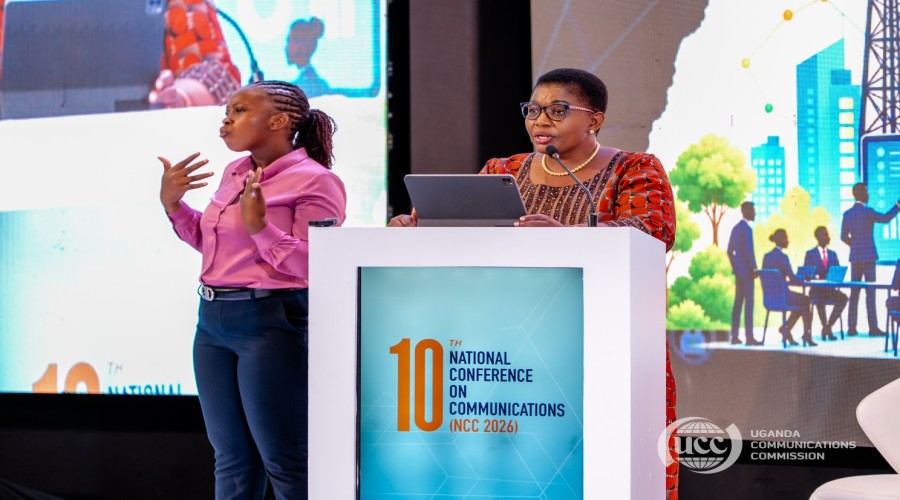
Uganda ICT Minister calls for research
34 minutes ago
 AI News
Did Anthropic’s artificial intelligence really make a scientific discovery on its own?
1 hour ago
 AI News
AI godfathers warn of runaway ‘intelligence explosion’
1 hour ago
 AI News
Bill Gates calls for stronger AI safeguards as misuse risks grow
1 hour ago
 AI News
Four AI
1 hour ago