
Reading Modi’s India beyond the headlines: Understanding power, politics and the Indian voter
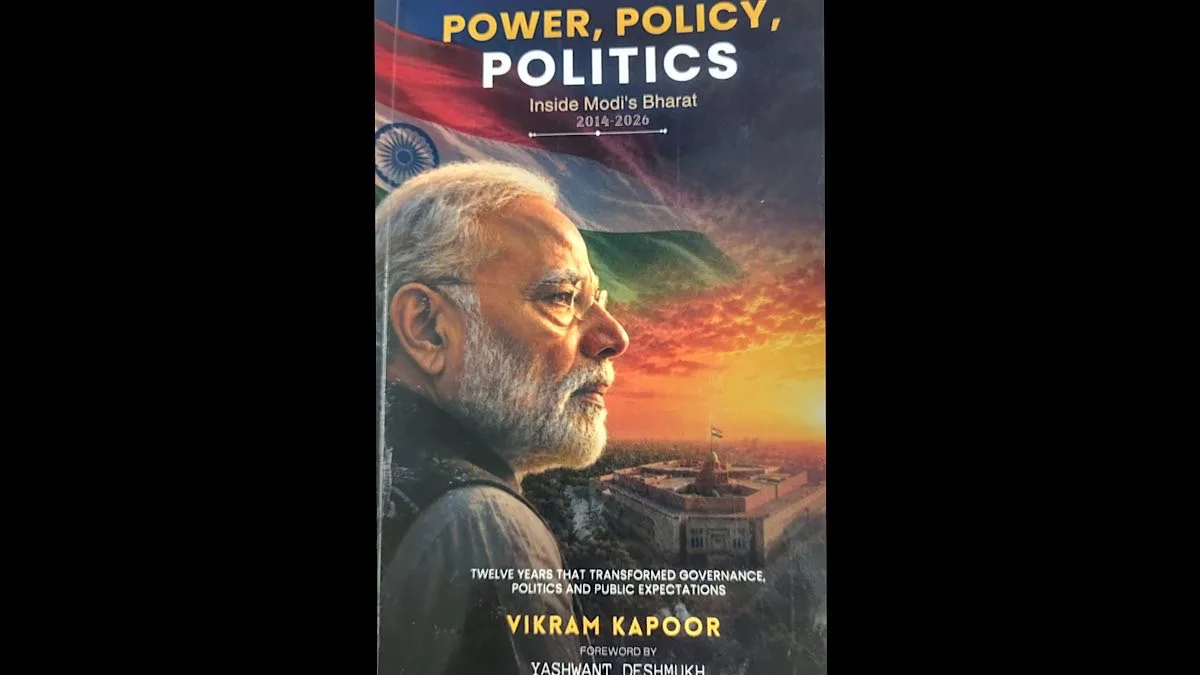
Power, Policy, Politics: Inside Modi’s Bharat approaches the Modi years not simply as a chronicle of political decisions, but as an attempt to understand how power, governance and public sentiment have interacted to reshape Indian politics. The book authored by Vikram Kapoor is less interested in offering a verdict on the period than in examining the forces that have made it politically distinctive.
The book’s central strength appears to lie in connecting seemingly disparate developments. Jan Dhan, demonetisation, surgical strikes, Article 370, Triple Talaq, the CAA, the Ram Mandir, farm laws, Covid, electoral bonds and women’s reservation are viewed not as isolated episodes but as part of a larger political pattern. Kapoor’s approach seeks to understand what these events reveal about the changing grammar of Indian politics, how decisions are made, communicated, received and contested.
A particularly interesting aspect is the book’s emphasis on the voter’s experience. The book offers an insight that politics does not reach citizens in neat categories of economy, welfare, identity or national security. These issues overlap in everyday life. A welfare beneficiary, a farmer, a trader, a young job seeker or a voter concerned about national security may interpret the same government differently, depending on lived experience. This makes public perception as important as policy itself.
The book also appears to resist a simplistic reading of political dominance. The Modi era is presented as one of considerable consolidation of power, but also of resistance and democratic negotiation. The 2024 election becomes significant in this context, suggesting that voters can simultaneously endorse leadership while demanding greater accountability. Similarly, the treatment of the farm protests and the Covid crisis points to the limits of political control and the capacity of ground realities to disrupt carefully constructed narratives.
Kapoor’s instinct for looking beyond Parliament, television studios and party offices, towards markets, villages, railway stations and conversations with ordinary citizens is the centerpiece of the book.
Ultimately, the book seems to ask readers to observe rather than simply applaud or condemn the Modi years. Its larger subject is therefore not Narendra Modi alone, but an India undergoing profound political change, one in which power has become more centralised and politics more personalised, yet the voter continues to retain the ability to surprise, negotiate and reshape the political narrative.
Related Stories
 India
India
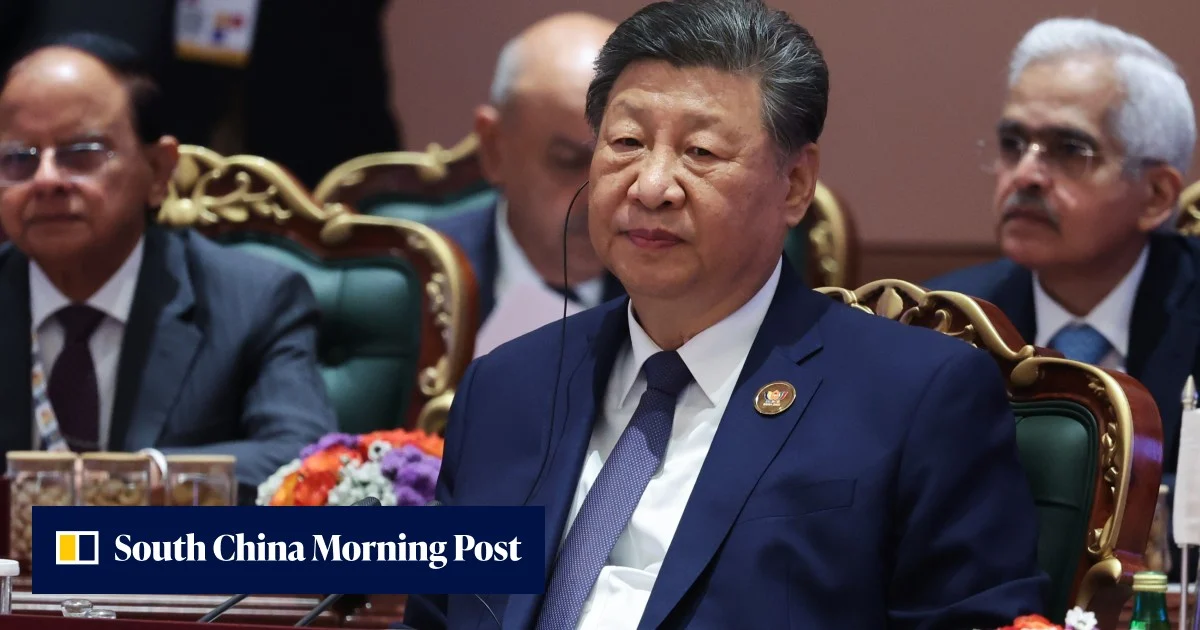
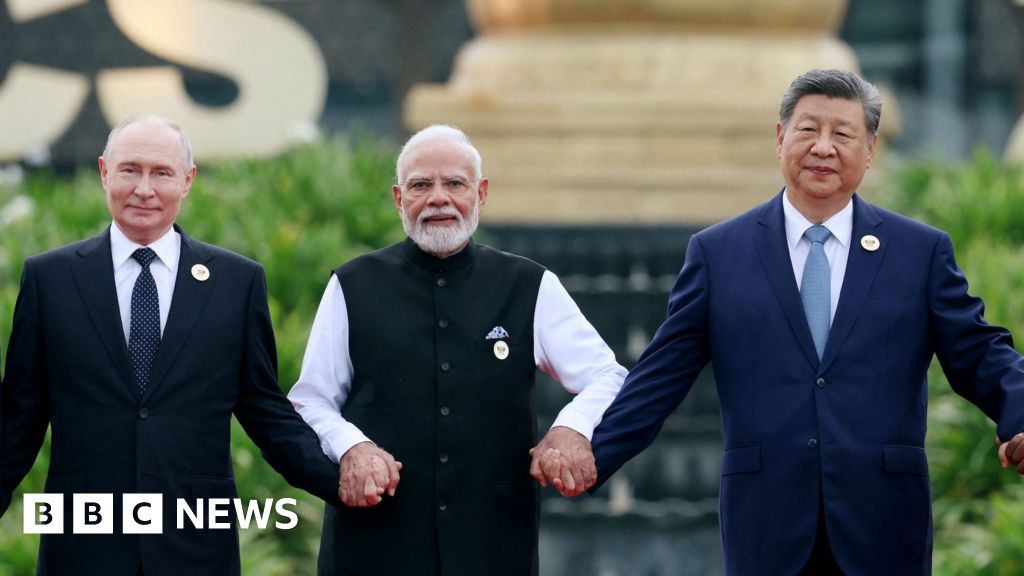
Brics summit ends with Xi’s AI offer, Modi’s warning on critical minerals
1 hour ago
 India
India
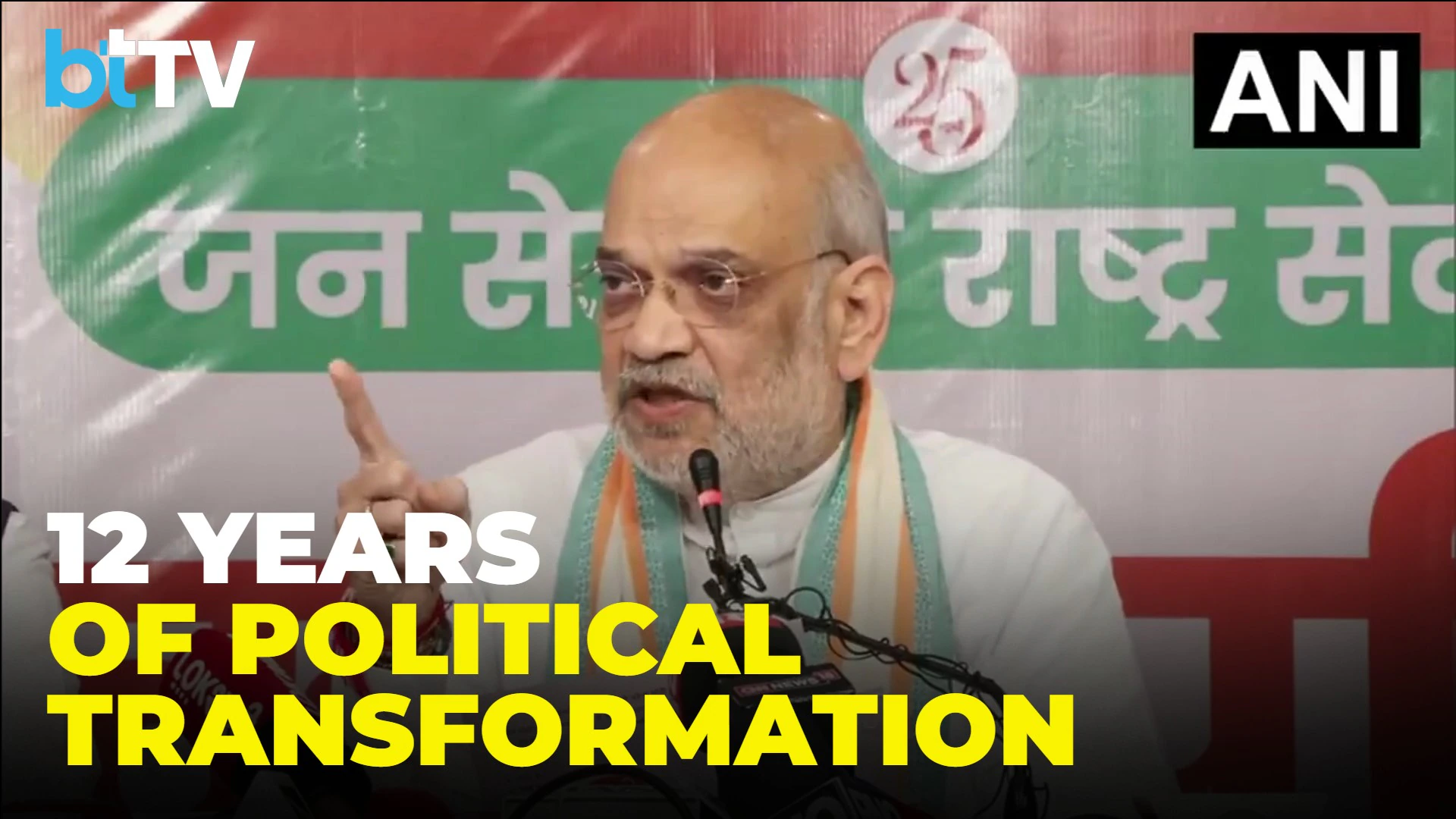
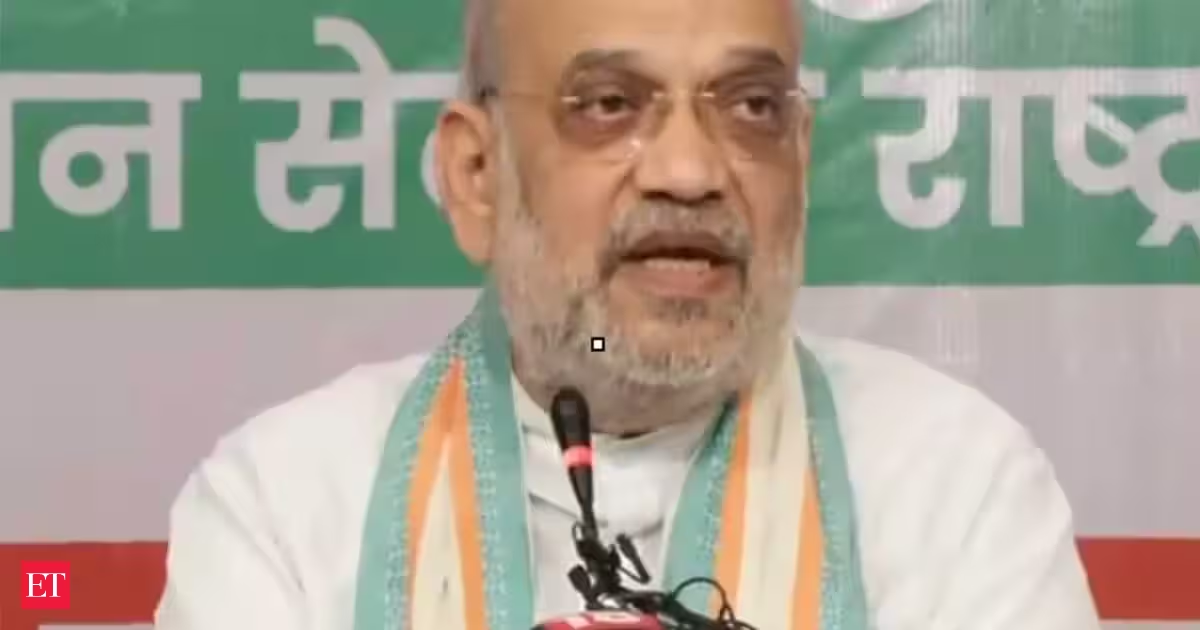
Amit Shah Hails India’s Rise From Fragile Five To Top Five, Politics Of Performance Since 2014
2 hours ago
 India
India
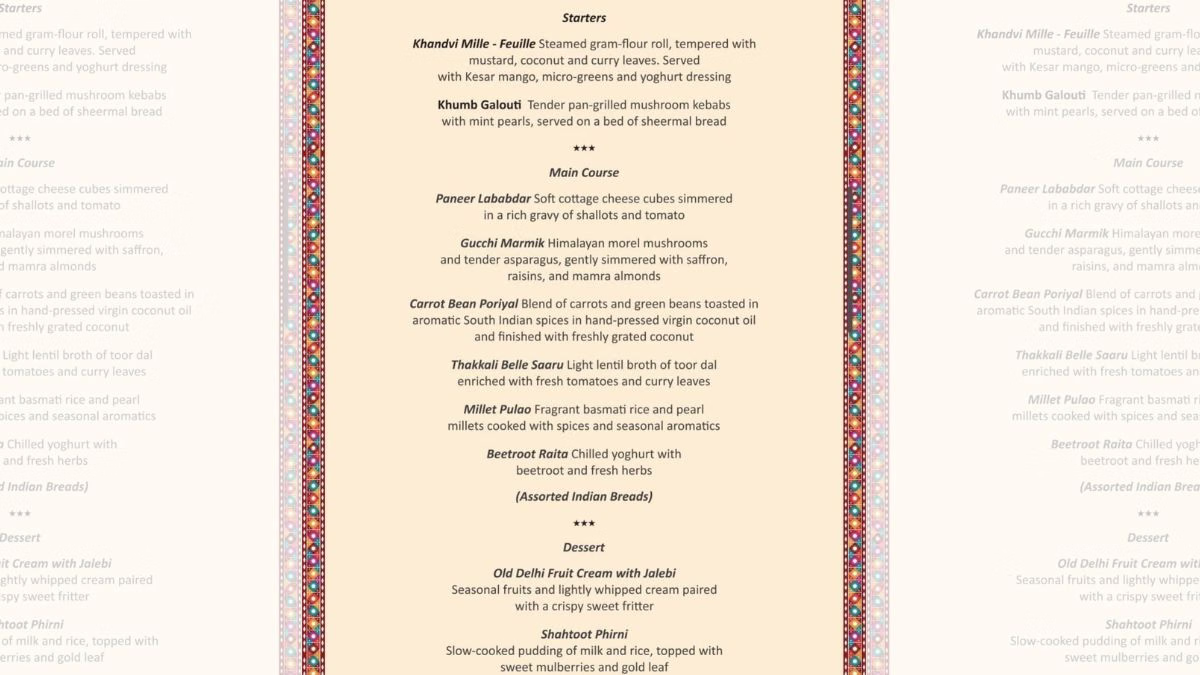
‘Why hide India’s culinary diversity?’ Opposition roasts Modi govt’s vegetarian menu at BRICS gala
3 hours ago
 India
India
AP Top Stories September 13
3 hours ago
 India
India
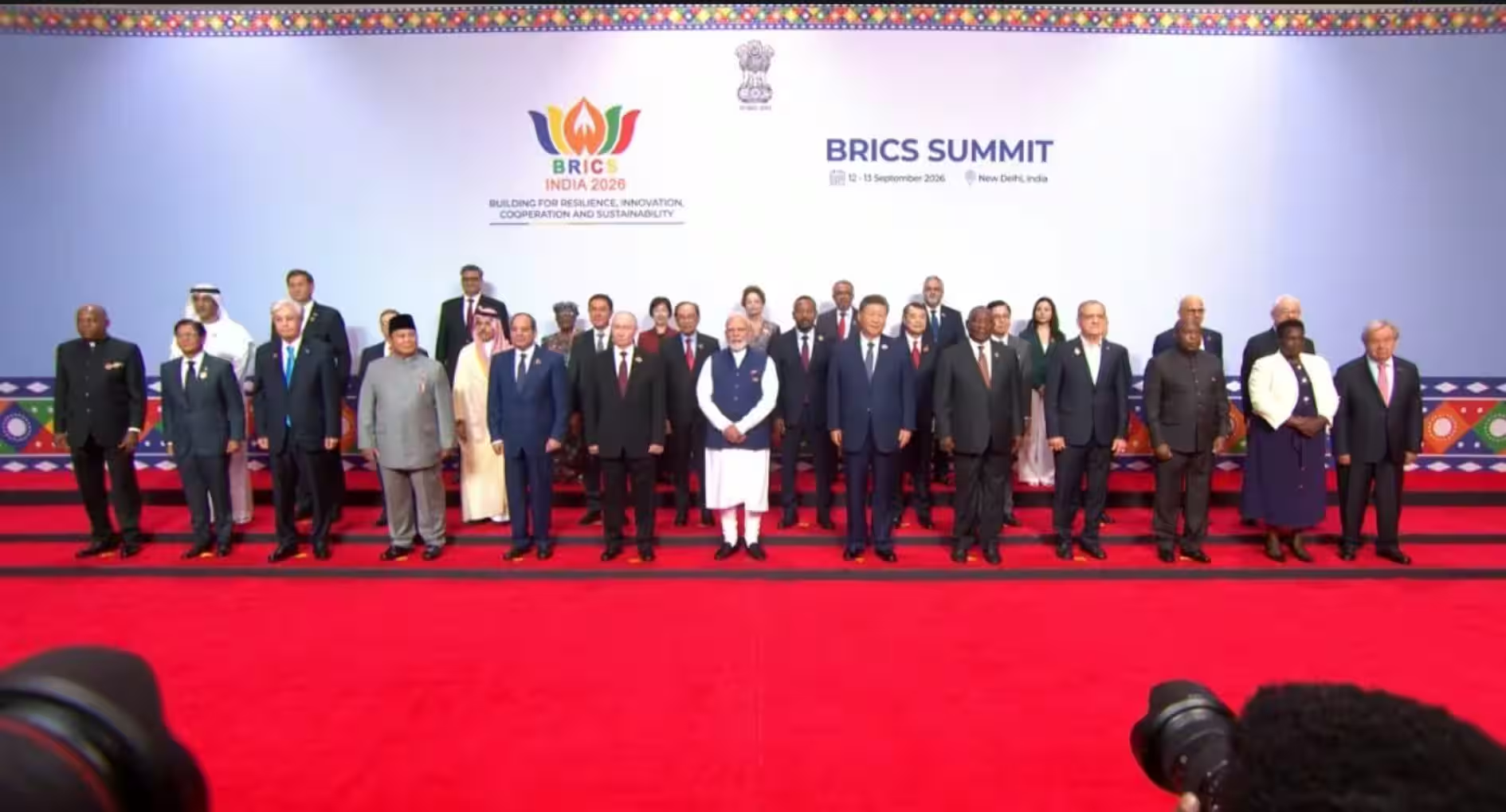
Brics summit 2026 Delhi: Iran war reshapes ties but exposes divides
4 hours ago
 India
India
Modi era shifted India from corruption, casteism, dynastic politics to politics of performance: Amit Shah
4 hours ago
 India
India
From startup funding to AI for farmers: 10 key takeaways from PM Modi’s BRICS speech
7 hours ago
 India
India
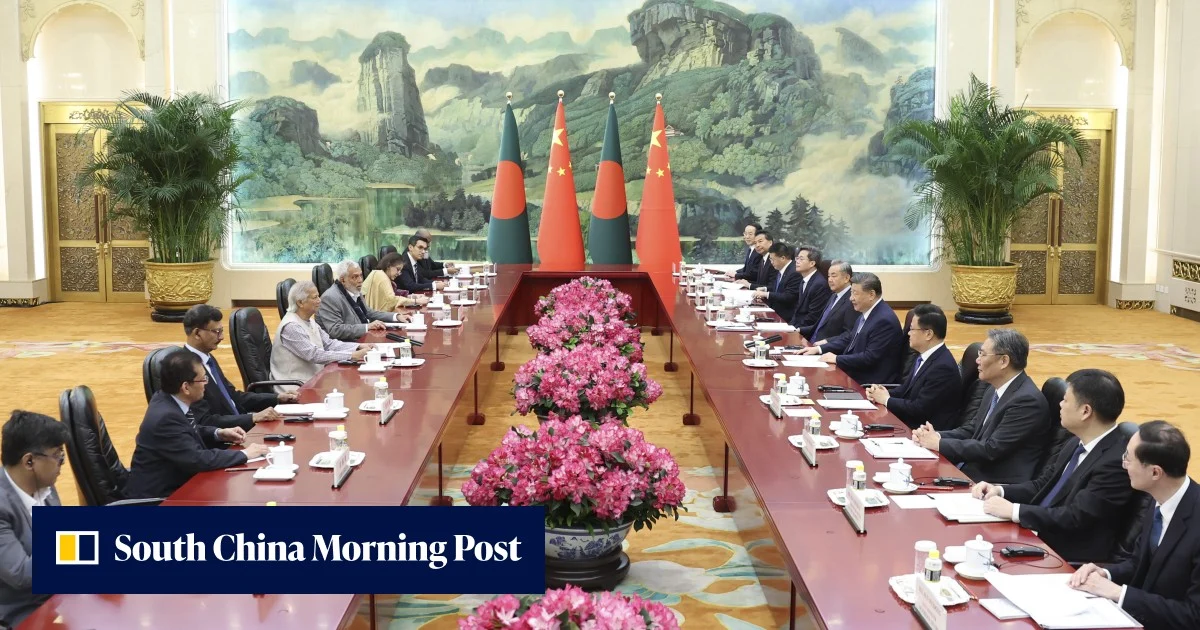
Bangladesh draws closer to China in ‘political chessboard’ to balance India ties
8 hours ago