
Route Is Addressing The Unglam Side Of Running A DTC Lifestyle Startup: Returns
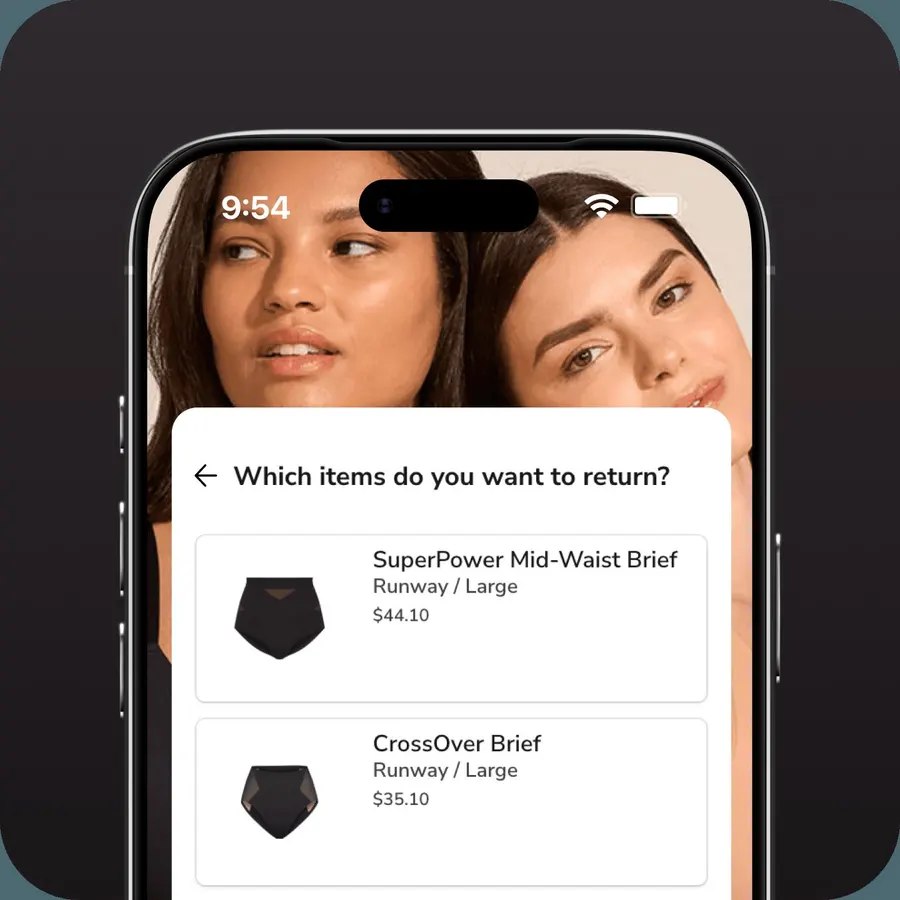
For years, direct-to-consumer brands poured their energy into the moment before checkout. Beautiful websites, premium packaging, and influencer campaigns, and personalized marketing all worked in tandem to convince shoppers to click “Buy Now.”
But many brands are discovering that customer loyalty isn't won at checkout—it's won after it.
As customer acquisition costs climb and consumers expect seamless experiences across every touchpoint, the post-purchase journey has become more critical than ever. From shipment tracking to package protection, returns, and issue resolution, what happens after an order is placed determines whether customers purchase again.
For Route CEO Eric Kobe, that's changing how brands think about logistics altogether.
"Post-purchase is absolutely becoming the next frontier of differentiation," he says in an interview. "As acquisition gets more expensive and products become more competitive, what happens after checkout is what defines whether a customer comes back."
Rather than viewing shipping and returns as operational necessities, leading brands are integrating them into the customer experience itself.
Customer Experience Doesn't End at Checkout
For premium lifestyle companies, the emotional experience surrounding a purchase can be just as important as the product itself.
That philosophy is especially true for Monday Swimwear, where confidence is central to the brand.
"Swimwear is already an anxiety-inducing purchase for many women, so everything we do is designed to make our customers feel confident, and not just in themselves, but in every step of their experience with us," says Shannon Owens, Head of Marketing at Monday. "Route has been a key partner in that mission, protecting our customers from the hassle of shipping mishaps and ensuring a negative delivery experience never costs us a loyal customer."
The review underscores a growing reality for premium apparel and beauty brands: a delayed package or lost shipment can undo months of thoughtful brand-building if customers are left frustrated.
According to Kobe, brands that excel recognize post-purchase as an extension of their identity.
"The customer should never feel that complexity," he says. "The best brands are protecting margin without introducing friction. They're using smarter systems to make better decisions."
That same thinking applies even more directly in beauty and wellness, where products are often subjective and a matter of taste.
"Returns are one of the most important moments in the customer journey for beauty brands," Kobe explains. "When a product doesn't match expectations, whether it's shade, texture, or performance, that moment can either break trust or reinforce it."
Instead of viewing returns as a necessary expense, he says smart companies now see them as opportunities to strengthen relationships.
"Post-purchase is where loyalty is actually built. If you handle that moment well, you don't just save the relationship, you often strengthen it."
Brands are also beginning to leverage return data as a source of product intelligence.
The Operational Reality for Growing Brands
While the strategic value of post-purchase is increasingly clear, the operational challenges remain significant—particularly for lean, fast-growing direct-to-consumer companies.
Sweet Doshi, founder of baby care brand Bubbsi, a coconut skincare company for kids and babies, says Route initially helped solve a meaningful operational burden.
"We had a fairly positive experience with Route overall. Setup on our site was guided and easy and the analytics dashboard was user friendly. For any DTC brands, lost or damaged packages are a significant portion of customer service inquiries and replacements, so having a mitigation factor helps from both a customer and business perspective.” She says most sites see a slight increase in conversion when package protection is offered. “Our team is very small, so having Route handle these basic shipping related issues is very helpful."
For many young brands, reducing customer service tickets while protecting shipments creates immediate efficiencies.
Bubbsi’s goal is to eventually give customers the ability to go through a quick and frictionless process with a self-serve portal and her internal customer service team will be aided by the new platform on the backend. “This way,” she say, “ we will still be able to provide the hands-on experience that our customers love us for."
The differing experiences highlight an important reality: there is no one-size-fits-all approach. Some companies prioritize outsourcing operational complexity, while others choose to own every customer interaction.
Designing the Experience Before Problems Occur
For Kobe, the next generation of post-purchase isn't simply about handling issues faster—it's about preventing them altogether.
"The biggest mistake founders make is treating post-purchase as a back-office function instead of a core part of the product experience," he says.
His advice is to invest early in systems that standardize order tracking, issue resolution, and returns before rapid growth exposes operational cracks.
He says: "The more you can standardize and automate early, the easier it is to scale without adding unnecessary overhead." He believes the strongest brands won't necessarily have the largest customer support teams.
"The brands that win won't be the ones with the best support teams," Kobe says. "They'll be the ones that need support the least because they've built systems that handle the majority of issues automatically and elevate the moments where human interaction actually matters."
Related Stories
 Lifestyle
Guyana denies importing contaminated chicken
17 hours ago
 Lifestyle
Worker dies after canopy collapses at Fairmont hotel construction site
17 hours ago
 Lifestyle
Salvation Army hosting food drive for World Homeless Day
1 day ago
 Lifestyle
Driscoll’s berries case raises questions about Canada’s food safety watchdog
1 day ago
 Lifestyle
It could be a tough winter at the grocery store, food experts and economists warn
1 day ago
 Lifestyle
These 5 grocery staples have skyrocketed in price this year. Here's why
1 day ago
 Lifestyle
Japan beer majors raided over cartel allegations
1 day ago
 Lifestyle
Diesel
1 day ago