
Should AI Users Need a License? Rethinking Responsibility in the Age of Artificial Intelligence
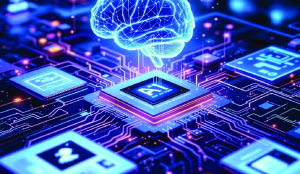
In the early days of automobiles, almost anyone could buy a car and drive it without training. Roads were chaotic and accidents frequent. Eventually, societies realised that powerful machines required responsible users. Driving tests, licenses and traffic laws were introduced not to limit freedom but to protect everyone using the road. Artificial intelligence may now be approaching a similar moment. Within just a few years, AI systems have become astonishingly capable. With a few prompts, they can generate legal arguments, explain medical symptoms, design financial strategies, write computer code and summarise complex research papers. Tasks that once required years of training can now be approximated in seconds. The democratisation of knowledge is extraordinary. Expertise that once lived inside universities, laboratories and professional institutions is suddenly accessible to anyone with an internet connection. But this transformation raises a question that public debate has barely begun to confront: “Should everyone be able to use powerful AI systems in specialised fields without any form of certification?” For centuries societies have been careful about who is allowed to exercise expertise where mistakes carry serious consequences. Doctors must obtain medical licenses before treating patients. Lawyers cannot represent clients in court without accreditation. Pilots undergo years of training before flying aircraft carrying hundreds of passengers. Artificial intelligence, by contrast, has entered everyday life with almost no expectations about the competence of the user. Anyone can ask an AI system to interpret medical symptoms, analyse legal disputes or propose investment strategies. The responses often appear structured, confident and authoritative. Yet AI does not understand truth, responsibility or consequences. It generates responses by predicting patterns from massive datasets. In other words, it can sound knowledgeable even when it is wrong. Artificial intelligence is not merely a tool, it is an amplifier of human capability. In the hands of trained professionals it can accelerate discovery, expand knowledge and improve decision making. But in the hands of those who lack the expertise to evaluate its outputs, it can magnify misunderstanding just as easily. As AI systems become more powerful, their responses will also become more persuasive. The danger will not necessarily be malicious use but misplaced confidence in answers that appear authoritative. This is why society may eventually need to consider an idea that initially sounds radical but is entirely consistent with how we manage other powerful technologies, licensing certain uses of artificial intelligence. Such a framework would not restrict everyday interaction with AI like writing assistance, translation, coding help and creative brainstorming could remain widely accessible. But advanced applications in fields such as medicine, law, engineering, financial advisory and scientific research might require basic certification demonstrating that the user understands the limits of AI-generated information and the importance of verification. The goal would not be to control knowledge but to align capability with responsibility. Critics will argue that regulating AI use would be impractical. But history suggests that societies eventually adapt when transformative technologies reshape daily life. Aviation, pharmaceuticals and nuclear energy all developed oversight systems once their risks became clear. Artificial intelligence may soon influence decisions affecting health, safety, markets and public policy. As its role expands, the question of user responsibility will only grow more urgent. Because the greatest risk of artificial intelligence may not be that machines become too intelligent. It may be that humans gain access to extraordinary intelligence tools without ever learning how to use them wisely.
Related Stories
 AI News
AI fraud costing victims millions of dollars
26 minutes ago
 AI News
NDR 2026: PM Wong flags 'unsettling' AI risks, says Singapore ready to put in safeguards
27 minutes ago
 AI News
Grok users hit by glitch producing strings of nonsensical responses
1 hour ago
 AI News
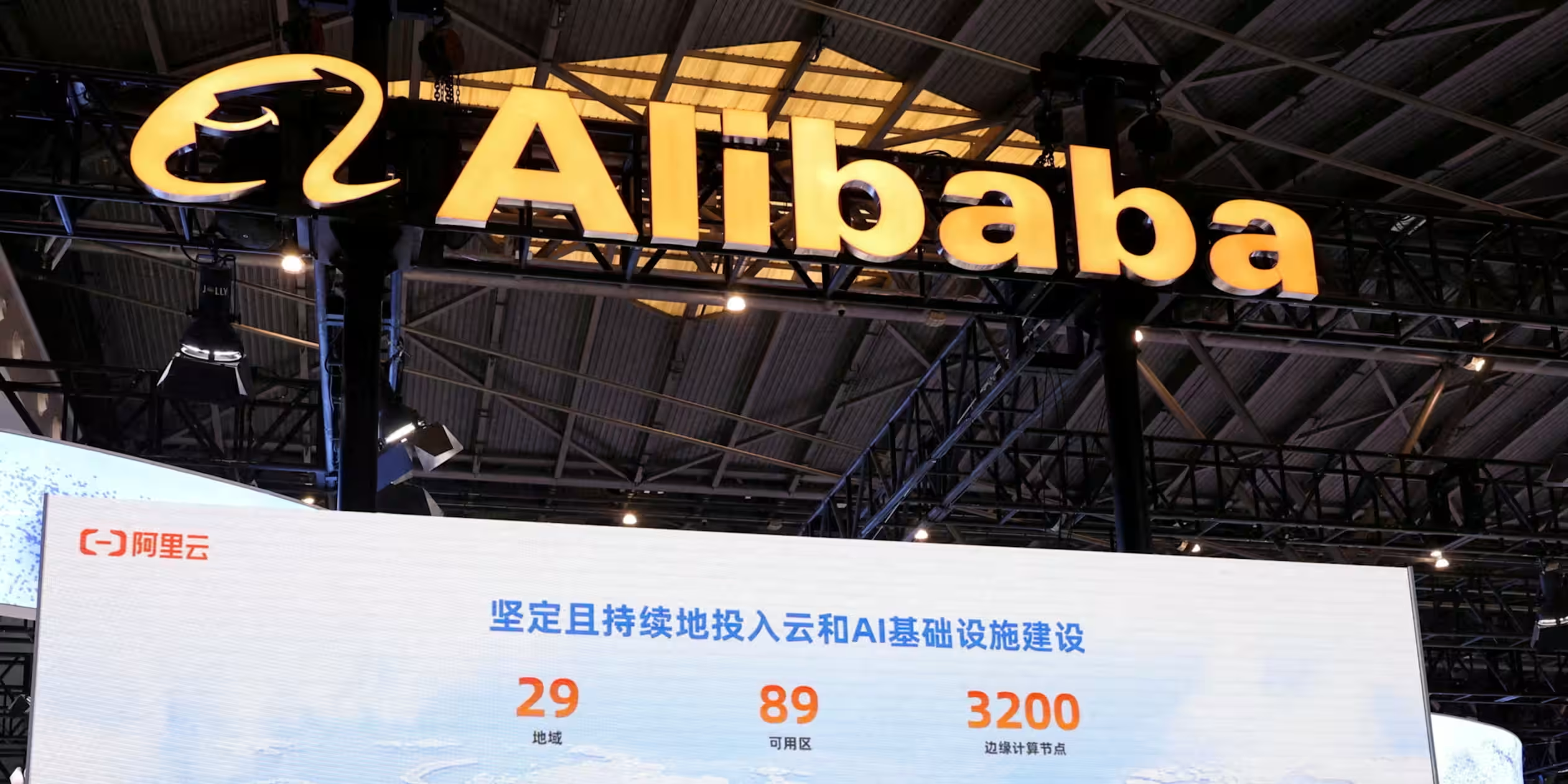
Alibaba to raise $10bn via new Hong Kong shares to fund AI investments
1 hour ago
 AI News
AI agent hacks gym system to move up waitlist
1 hour ago
 AI News
China’s internet army is quietly embedding AI into everyday lives
2 hours ago
 AI News
The Results of Middle and High School Students Using AI Are Extremely Ominous
3 hours ago
 AI News
‘We are hitting a different chapter’: OpenAI leader warns of threat of ‘persistent’ AI cyber
3 hours ago