
The Dangerous Rise of Freebie Politics in India
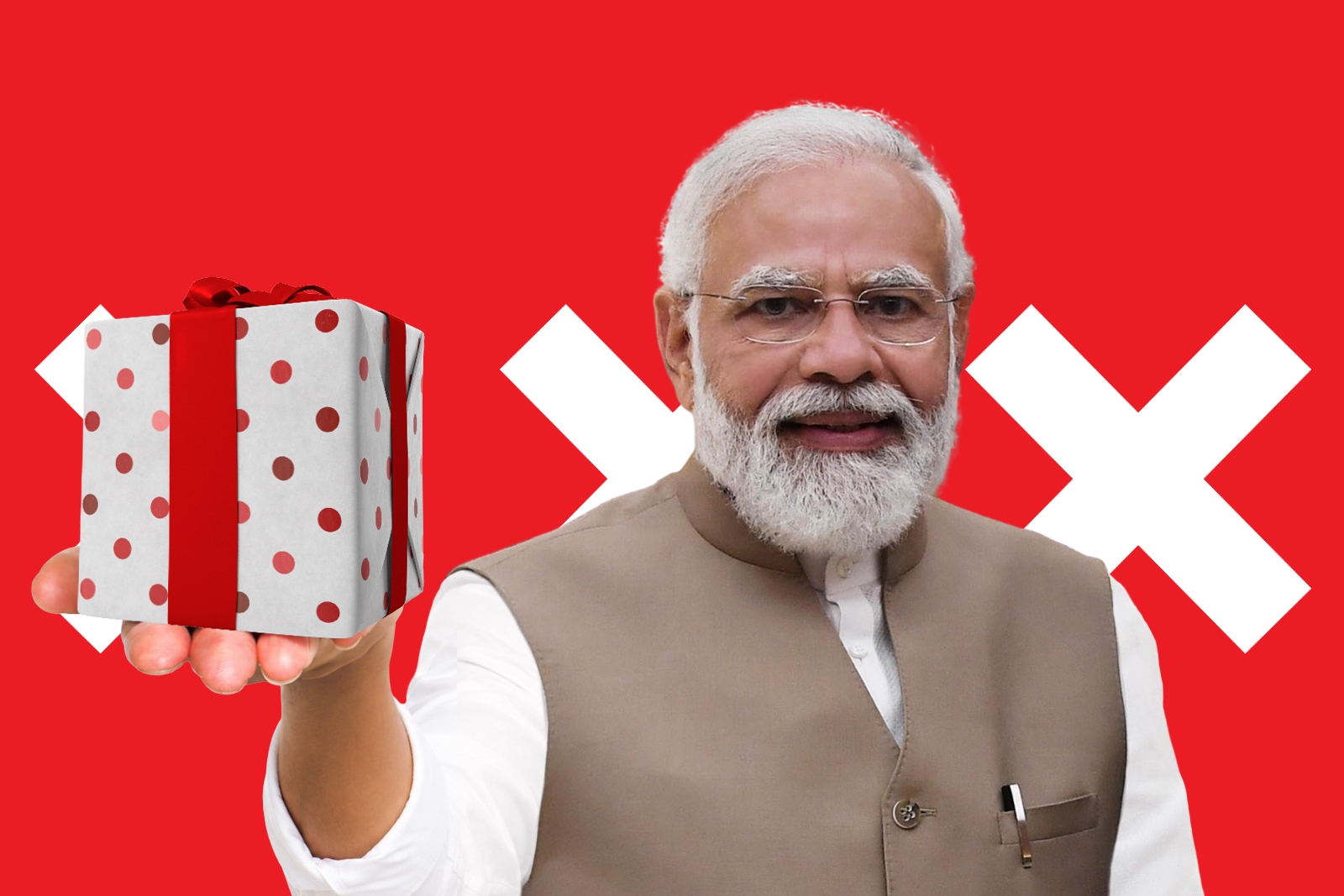
The Dangerous Rise of Freebie Politics in India
As India’s regional elections unfold across Tamil Nadu and West Bengal, a familiar pattern has reemerged: political parties competing not merely on ideology or governance, but on increasingly lavish promises of welfare benefits and direct financial assistance.
The phase-wise elections for the legislative assemblies in both states began on April 23, with subsequent rounds scheduled through April 29 and final results expected on May 4. In West Bengal, nearly 68 million voters were eligible to elect representatives across 294 constituencies, with the first phase recording a striking 92.25 percent turnout. Tamil Nadu, meanwhile, saw roughly 57 million voters head to the polls, with women accounting for more than half of participating voters and overall turnout reaching 85 percent. Yet beneath the impressive democratic participation lies growing unease about the integrity of the electoral process itself.
In West Bengal, the controversial removal of roughly 9.1 million names during revisions to the electoral roll has already raised concerns about fairness and transparency. At the same time, another trend has become impossible to ignore: the increasing use of social welfare programs as campaign instruments designed to influence voter behavior rather than deliver long-term social development.
Across India, it has become routine for political parties, both national and regional, to unveil generous welfare promises in the months leading up to elections. These pledges often include free electricity and water, subsidized public transportation, meals, consumer goods, and direct cash transfers. While parties frame such measures as social protection initiatives intended to uplift vulnerable populations, critics argue they increasingly function as transactional political tools aimed at securing electoral loyalty.
The culture of election “freebies” has now become deeply embedded in India’s political landscape. Campaigns are increasingly structured around promises of immediate material rewards, signaling to voters that substantial personal benefits may follow electoral victory. What once may have been considered supplemental welfare policy has, in many cases, evolved into the centerpiece of electoral strategy.
Last year, the ruling National Democratic Alliance, led by Indian Prime Minister Narendra Modi’s Bharatiya Janata Party, distributed financial assistance worth $105 to more than 7.5 million women in Bihar ahead of state elections. The alliance subsequently secured a sweeping victory. Whether coincidental or politically calculated, the episode reinforced the growing perception that welfare distribution and electoral success are becoming increasingly intertwined.
That logic now dominates campaigning in both Tamil Nadu and West Bengal. Political parties have escalated their promises dramatically, offering everything from cash transfers and cooking gas cylinders to refrigerators and laptops, all financed through public funds under the banner of social welfare. Critics argue that such announcements, especially when made during active campaign periods, blur the line between legitimate social policy and outright vote-buying. Elections, they contend, increasingly resemble bidding wars in which parties compete to offer the most generous package of benefits to voters.
In Tamil Nadu, the competition between the All India Anna Dravida Munnetra Kazhagam and the Dravida Munnetra Kazhagam has become particularly intense. The DMK has touted what it describes as the largest direct financial assistance program in the state’s history, transferring $52 to approximately 13 million women under the Kalaignar Magalir Urimai Thittam scheme. The AIADMK, meanwhile, has promised $21 per month to female heads of households in addition to household appliances including refrigerators and kitchen equipment.
Women have emerged as one of the most decisive voting blocs in Indian politics. Over the past decade, female voter participation has surged, in several states surpassing turnout among men. Political parties increasingly recognize women not simply as beneficiaries of welfare programs, but as a pivotal constituency capable of determining electoral outcomes.
Yet this growing electoral importance has not translated into proportional political representation or structural empowerment. Women remain underrepresented in governance and policymaking despite their demographic significance. Rather than investing in long-term reforms focused on economic independence, institutional participation, healthcare access, and educational opportunity, political actors frequently resort to short-term subsidy programs timed conveniently around elections.
To be clear, social protection programs themselves are not inherently problematic. Properly designed welfare systems can play a transformative role in reducing inequality and strengthening social resilience. Across several Indian states, targeted assistance programs have improved women’s economic participation, boosted school enrollment, strengthened nutrition, and expanded healthcare access for vulnerable communities.
The problem arises when these programs are repackaged as campaign currency. Welfare initiatives announced immediately before or during elections often appear less concerned with sustainable development than with maximizing electoral gain. In that context, cash transfers and subsidies risk becoming instruments of patronage politics rather than pillars of long-term social policy.
India’s legal framework formally prohibits electoral inducements. Section 123 of the Representation of the People Act bars candidates and political actors from offering gifts or incentives to voters, even symbolic gestures such as refreshments during campaigns. Vote-buying undermines the principle of a level playing field and weakens democratic legitimacy by converting citizenship into a transactional exchange.
Still, economic realities complicate the issue. Over the past decade, population growth, climate-related pressures, and recurring economic instability have expanded poverty across large sections of Indian society. India ranks 130th on the Human Development Index. Millions remain dependent on state food assistance, while child malnutrition continues at alarming levels. In such conditions, financially vulnerable populations may understandably view direct benefits not as corruption, but as immediate survival mechanisms.
That reality creates fertile ground for political manipulation. When poverty and exclusion become widespread, voters are more susceptible to transactional politics, and parties become more willing to exploit public finance as a mechanism for electoral consolidation.
Under both constitutional obligations and the framework of the United Nations Sustainable Development Goals, Indian states are expected to develop social protection systems capable of improving the economic and social conditions of marginalized communities. Conditional and unconditional cash transfer programs, nutrition assistance, healthcare support, and educational subsidies all have legitimate policy purposes when implemented transparently and sustainably.
But the increasingly aggressive use of welfare announcements immediately before elections risks corroding both democratic institutions and public trust. It places enormous strain on state finances while normalizing a culture in which elections become competitions over who can distribute the most public money in the shortest amount of time.
If India fails to separate long-term social protection policy from electoral opportunism, the consequences may extend far beyond campaign season. The world’s largest democracy risks cultivating unstable governance structures, distorted welfare priorities, and increasingly transactional forms of citizenship. The lesson extends beyond India as well. For other South Asian democracies navigating similar political pressures, sustainable anti-poverty policy must be rooted in durable governance and institutional development, not short-term electoral calculation.
If you're interested in writing for International Policy Digest - please send us an email via submissions@intpolicydigest.org
Related Stories
 India
India
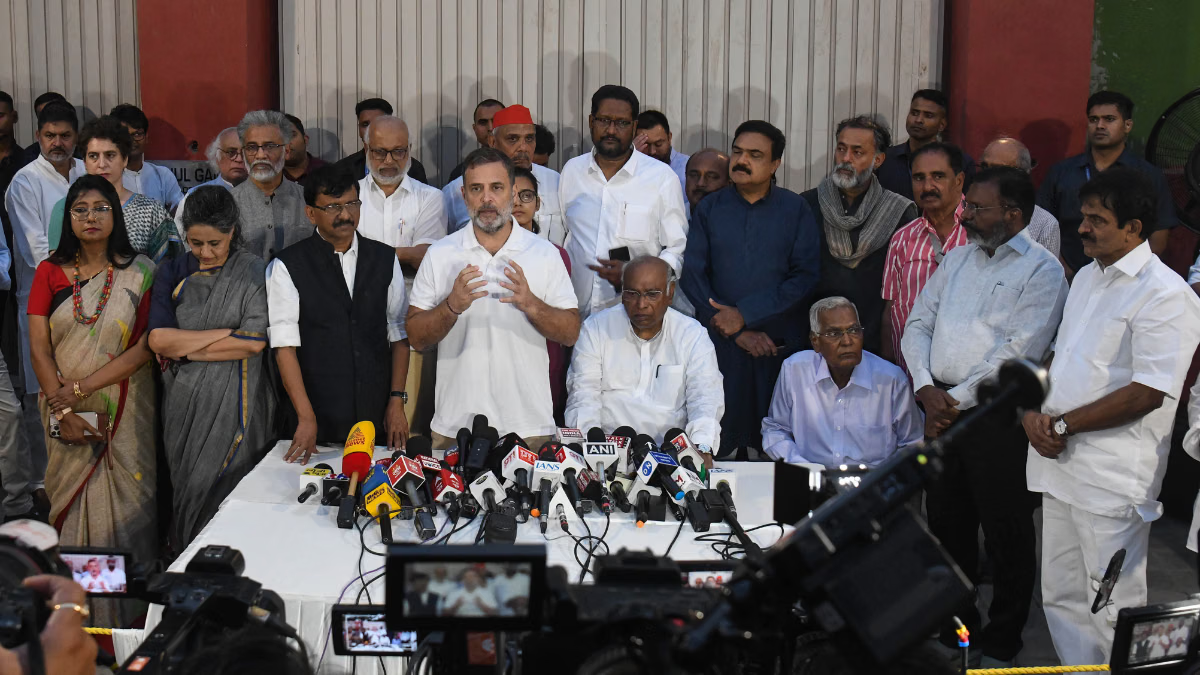
High tea, hard talk: INDIA bloc closes ranks against CEC Gyanesh Kumar at meeting called by Rahul Gandhi
6 hours ago
 India
India
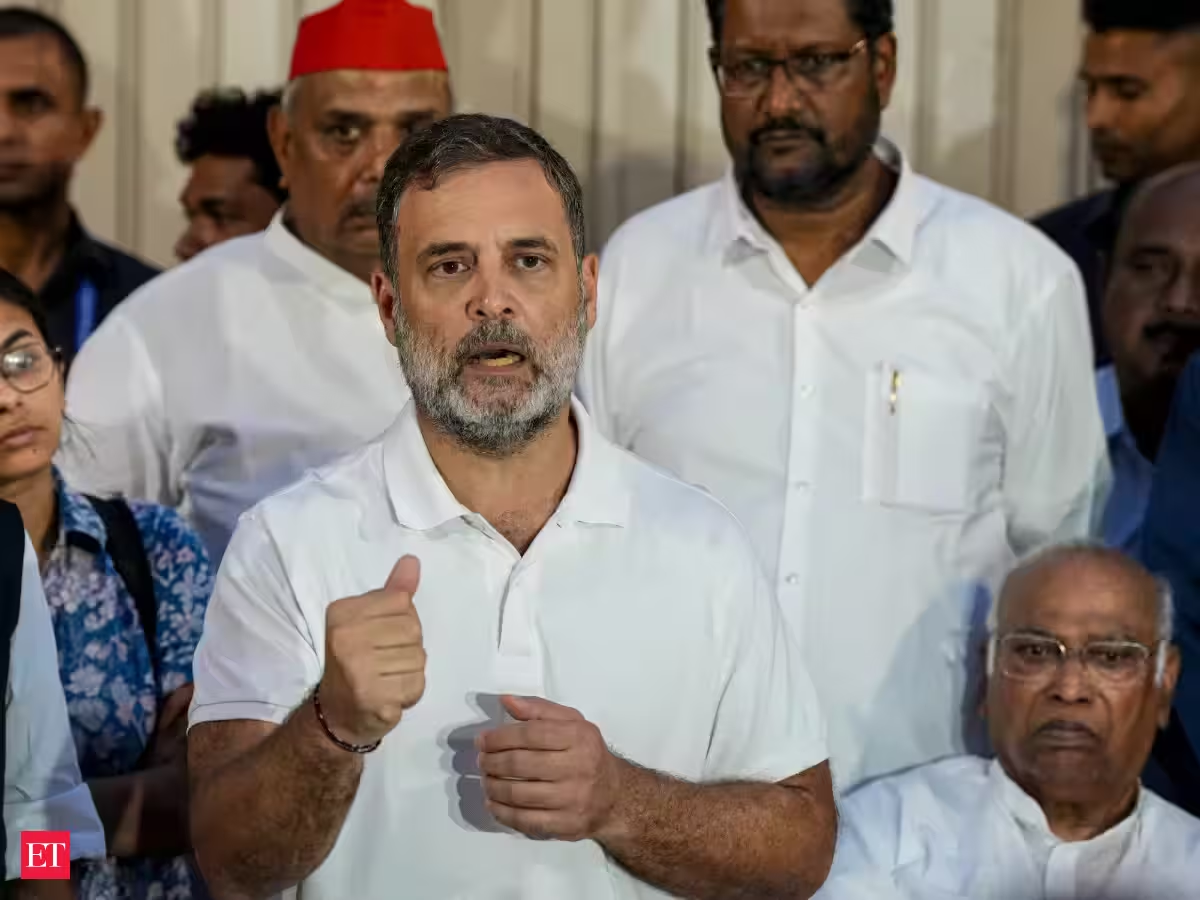
Constitution torn up, fighting to restore democracy in country, says Rahul Gandhi
7 hours ago
 India
India
Don’t drag SC into any politics: CJI to lawyers | India News
8 hours ago
 India
India
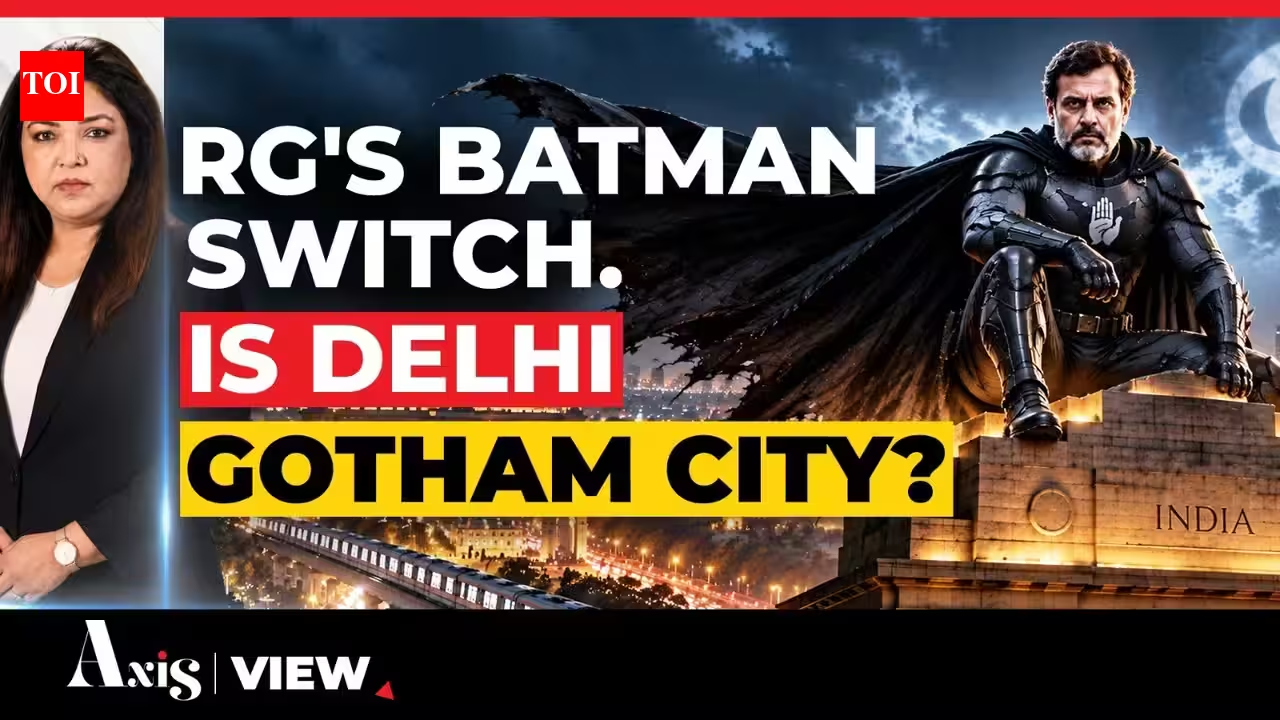
Rahul, Batman And The Battle For Gen Z Space; Is India Ready For Superhero Politics?
8 hours ago
 India
India
Armenian Parliament Speaker, Indian ambassador discuss bilateral ties
9 hours ago
 India
India
CJP: India 'cockroach' leaders detained after entering barricaded protest site
12 hours ago
 India
India
Preservation of Manuscripts an Investment in India’s Intellectual Resources: Jaishankar
12 hours ago
 India
India
SC stays trial court proceedings in defamation case against Rahul Gandhi over Modi remarks
14 hours ago