
The Human Side of AI Productivity
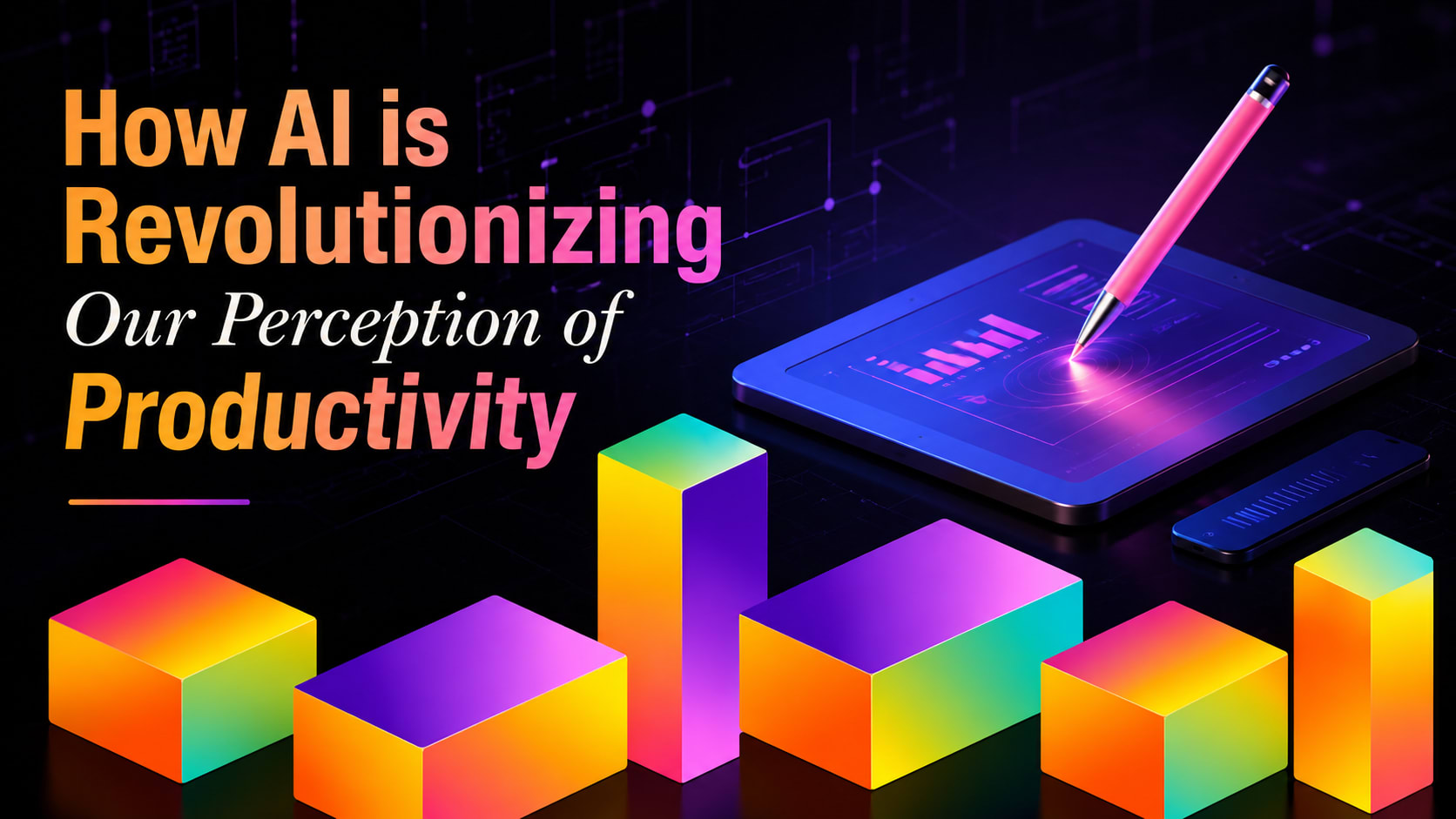
Artificial Intelligence is often discussed in terms of speed, automation, and efficiency. Headlines focus on how many tasks AI can complete, how many hours it can save, and how many jobs it may transform. Businesses celebrate productivity gains, while professionals search for ways to accomplish more in less time.
Yet amid all the excitement surrounding technological progress, an important question often gets overlooked:
What happens to the human side of productivity?
Productivity has never been solely about doing more work. At its best, productivity is about creating meaningful outcomes, solving problems, building relationships, and improving quality of life. The purpose of technology should not simply be to make people work faster. It should help people work better.
As Artificial Intelligence becomes increasingly integrated into daily life, understanding the human side of AI productivity may be one of the most important challenges of the coming decade.
The future will not belong solely to intelligent machines.
It will belong to people who learn how to combine human strengths with artificial intelligence effectively.
For many years, productivity was measured through output.
While these metrics remain important, they often fail to capture what truly matters.
A person can be busy all day without accomplishing anything meaningful.
AI is forcing us to rethink productivity.
If intelligent systems can complete routine tasks in seconds, then productivity becomes less about activity and more about value creation.
This distinction is critical because it changes how individuals approach work and success.
These activities are necessary but often consume significant time and energy.
Instead of spending hours searching through documents, professionals can quickly obtain summaries.
Instead of starting from a blank page, writers can generate outlines.
Instead of manually analyzing spreadsheets, analysts can receive instant insights.
The result is not merely increased speed.
People can devote more attention to activities that require creativity, empathy, judgment, and strategic thinking.
One of the most common fears surrounding AI is that machines will replace human creativity.
AI can generate ideas, suggest concepts, and create content.
However, truly meaningful creativity often involves:
AI can support creativity, but it does not replace the unique experiences that shape human expression.
Artists, writers, designers, and entrepreneurs increasingly use AI as a creative partner.
Rather than competing with creativity, AI often amplifies it.
The most successful creators may be those who learn how to combine human imagination with AI-powered assistance.
This distinction is becoming increasingly important.
AI can analyze data and provide recommendations.
However, important decisions often involve factors that extend beyond data.
A business leader may receive AI-generated recommendations, but ultimately must decide which course of action aligns with company values and strategic objectives.
As AI becomes more capable, the value of sound judgment may actually increase.
Many aspects of human interaction depend on empathy.
Empathy involves understanding how others feel and responding appropriately.
AI can simulate conversation remarkably well.
However, genuine human connection remains difficult to replicate.
People naturally seek relationships, understanding, and emotional support.
Organizations that rely solely on automation may discover that efficiency alone is not enough.
Human-centered businesses often build stronger relationships and greater loyalty.
The future of productivity is not just about efficiency.
One of the promises of AI is improved work-life balance.
By automating repetitive tasks, AI can potentially reduce workloads and free time for other activities.
However, history shows that productivity gains do not automatically lead to more leisure time.
Sometimes increased efficiency simply creates expectations for even greater output.
Or will it increase pressure to produce more?
The answer depends largely on how individuals and organizations choose to use technology.
Healthy productivity should create space for:
AI offers an opportunity to rethink how work fits into life.
As a result, learning has become a lifelong requirement rather than a temporary phase of life.
Fortunately, AI also makes learning easier.
The relationship between AI and learning is mutually reinforcing.
The more people learn, the better they can use AI.
The better they use AI, the faster they can learn.
## Collaboration Between Humans and Machines
Many discussions frame AI as a competitor.
A more useful perspective views AI as a collaborator.
Together, these strengths create powerful combinations.
The future workplace may increasingly revolve around human-AI partnerships.
Professionals who understand how to collaborate with intelligent systems are likely to gain significant advantages.
Perhaps the most important question raised by AI is one of purpose.
If machines can handle many routine tasks, what should humans focus on?
The answer will vary from person to person.
AI has the potential to reduce time spent on repetitive activities.
This creates opportunities to focus on higher-level goals and aspirations.
The challenge is ensuring that increased productivity translates into greater meaning rather than simply more activity.
However, the nature of work will continue evolving.
Future jobs may place greater emphasis on:
These qualities are difficult to automate.
As routine work becomes increasingly automated, uniquely human capabilities become more valuable.
The future workforce may be defined less by technical expertise alone and more by the ability to combine human strengths with technological capabilities.
The choices made today will influence how AI affects society.
Technology should support people rather than simply optimize processes.
The most successful organizations may be those that use AI to empower employees rather than replace them.
A human-centered approach creates sustainable benefits for both individuals and businesses.
Artificial Intelligence represents one of the most powerful productivity tools ever created.
Yet its greatest value may not lie in automation alone.
Its true value may be the opportunity it creates for humans to focus on what they do best.
By reducing repetitive work, AI enables people to invest more energy in:
The goal is to create more value and live more meaningful lives.
The conversation about AI often focuses on technology.
But technology is only part of the story.
The most important aspect of AI productivity is ultimately human.
It is about using tools to improve outcomes while preserving the qualities that make us uniquely human.
Creativity, empathy, judgment, curiosity, and connection remain essential.
AI can enhance these qualities, but it cannot replace them.
The future belongs not to machines alone and not to humans alone.
It belongs to those who learn how to combine the strengths of both.
As Artificial Intelligence continues transforming the world, remembering the human side of productivity may be one of the most valuable skills of all.
Excellent for brainstorming, writing assistance, productivity improvement, and learning.
Ideal for deep analysis, long-form writing, research, and thoughtful content creation.
Powerful for research, fact-checking, learning new topics, and discovering reliable information quickly.
Related Stories
 AI News
A Jefferson for every era, from Lincoln to Trump, and the contradictions that endure
30 minutes ago
 AI News
FIFA World Cup impact on Vancouver at the halfway mark
30 minutes ago
 AI News
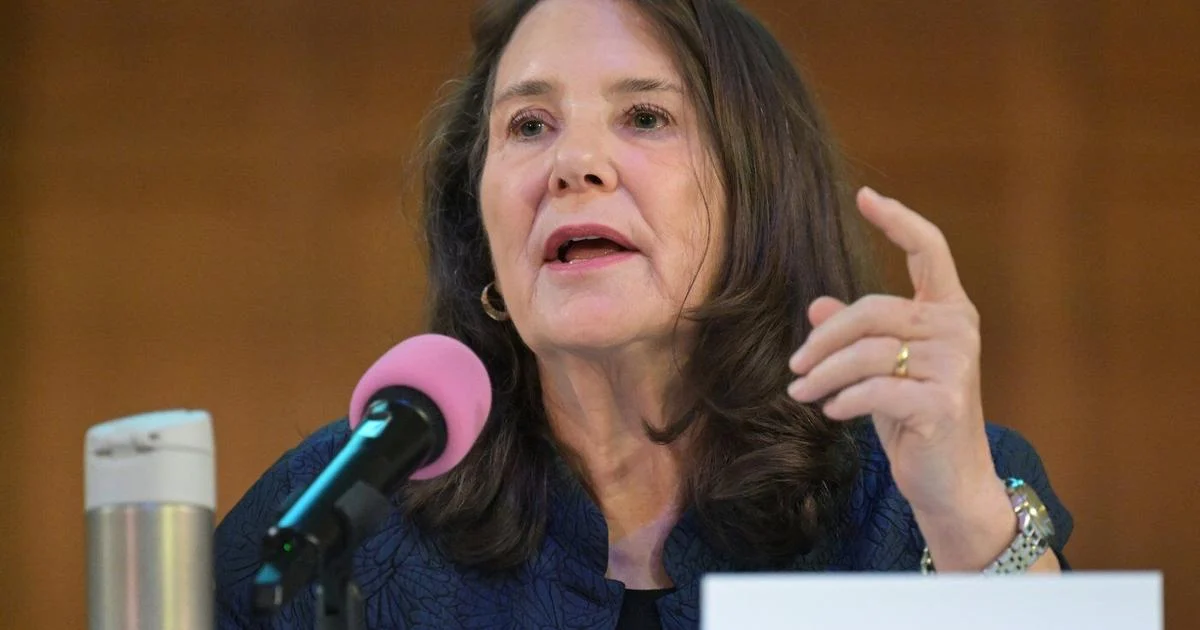
Colorado Democrats choose between insurgent progressives and veteran incumbents
30 minutes ago
 AI News
Live updates: Trump and Iran issue conflicting statements about talks
30 minutes ago
 AI News
Ukraine war briefing: Zelenskyy ridicules Russian military drive, saying Putin keeps postponing goal deadlines
30 minutes ago
 AI News
INDIA bloc writes to CJI on concerns over SIR process; alliance gets AAP, DMK on board to raise issue
31 minutes ago
 AI News
Severe thunderstorm threat continues for Ontario and Manitoba
31 minutes ago
 AI News
Marsh appoints Teresa Palandra as Canada CEO
31 minutes ago