
The Iran conflict is creating a new problem for Canadian investors
For much of this year, investors have been fixated on artificial intelligence and the resilience of North American equity markets. Meanwhile, bond markets have been flashing warning signals about concerns over sovereign debt, higher borrowing costs and growing geopolitical uncertainty.
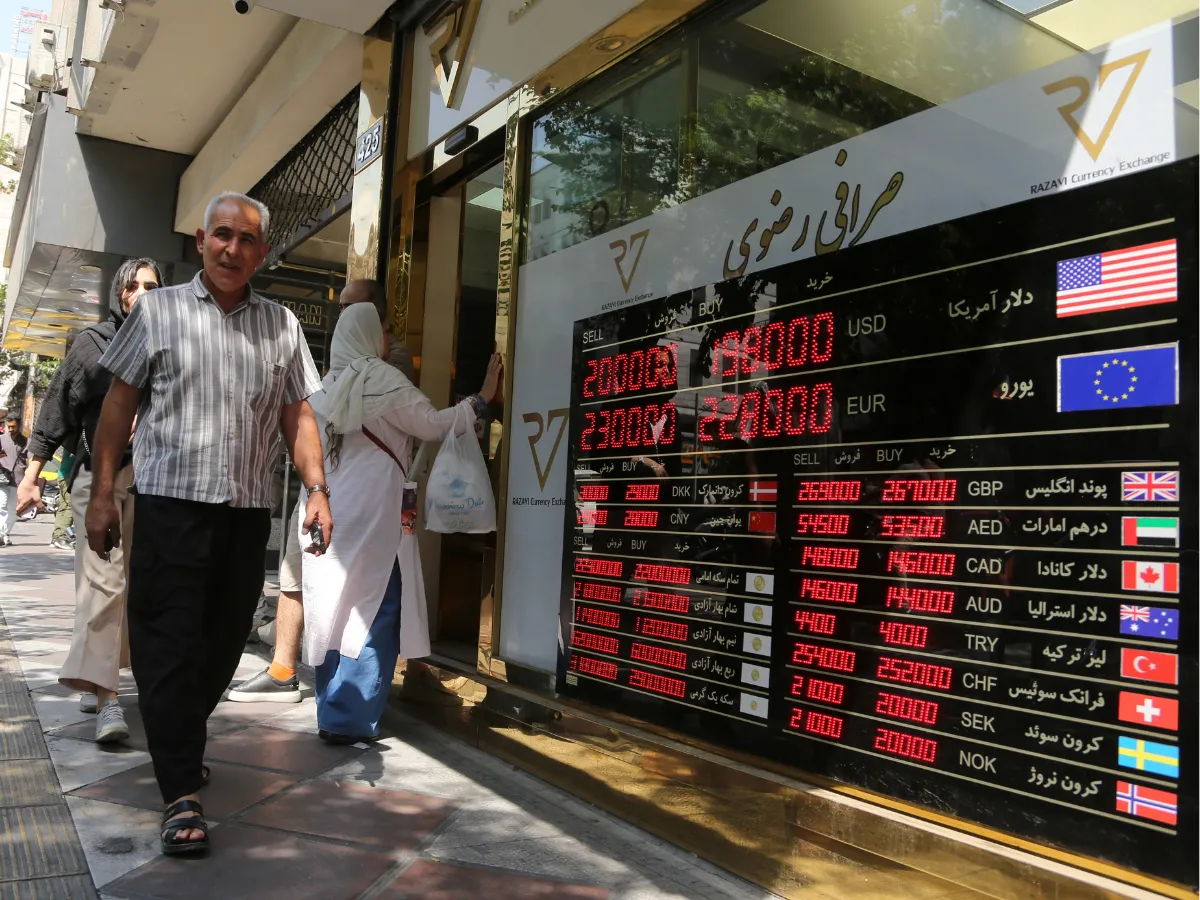
The most significant development behind these trends is the ongoing conflict involving Iran. While it appears that many investors continue to view the situation primarily through the lens of oil prices, the implications are much more than this, as it is increasingly influencing government finances, global capital flows, investment decisions and even trade relationships.
For the past several years, investors have largely assumed the United States artificial intelligence buildout would have access to virtually unlimited funding. For decades, Middle Eastern nations recycled energy revenues into global financial markets through sovereign wealth funds, infrastructure investments, private equity, venture capital and real estate. These pools of capital became important funding sources for Western economies, including many of the growth initiatives currently driving U.S. equity markets.
However, what happens when the countries that traditionally supplied this capital begin consuming it themselves as a direct consequence of the U.S.-Iran conflict?
Governments across the Gulf have ambitious domestic spending programs, economic diversification strategies and infrastructure projects that must now compete with rising geopolitical and security costs. As a result, capital that once flowed into global markets is increasingly being redirected toward domestic priorities.
Take Saudi Arabia for example. Despite elevated oil prices, the kingdom is in a large fiscal deficit position as rising costs associated with regional instability, trade disruptions and domestic investment commitments place increasing pressure on public finances. It is even reportedly exploring about US$8 billion in additional borrowing.
This comes at a time many of the technology companies leading the AI revolution are spending at unprecedented levels — so much so that they simply don’t have enough cash flow to fund their buildout and have to turn to bond markets, especially since capital sourcing regions such as the Middle East are no longer available.
AI-related corporate borrowing already makes up roughly 14 to 15 per cent of the total U.S. investment-grade bond market, which is significant and concerning, but it’s about to get a lot worse. JPMorgan Chase & Co. recently raised its cumulative global AI capital expenditure outlook to US$5.5 trillion by 2030. Out of the total anticipated spending, about US$4.1 trillion is projected to come directly from debt markets, including investment-grade and leveraged finance.
This comes at a time when bond investors are demanding higher yields as a flood of new issuance is only beginning to hit the market. Making matters worse is that it’s not only AI companies at the trough. The U.S. government itself is having to refinance about US$9 trillion in treasuries, representing more than 25 per cent of its gross domestic product, that are maturing in less than one year.
Related Stories
 Stocks & Markets
US maritime nuclear energy company raises USD50 million
4 hours ago
 Stocks & Markets
Russian drone and missile strikes on Kyiv kill 2, ending pause in attacks
8 hours ago
 Stocks & Markets
How this Hamilton steel worker is reminding the U.S. of the trading relationship they once had
17 hours ago
 Stocks & Markets
Nepal marks national mourning day for flood victims
1 day ago
 Stocks & Markets
Row reignited over square named after slave trader
1 day ago
 Stocks & Markets
Women tend to be 'risk
2 days ago
 Stocks & Markets
Winter preparations under way for region's roads
2 days ago
 Stocks & Markets
Report: Pentagon gave officers polygraph tests over leaks
2 days ago