
The Longevity Economy Has a Social Layer, and Dating Startups Are Finally Noticing
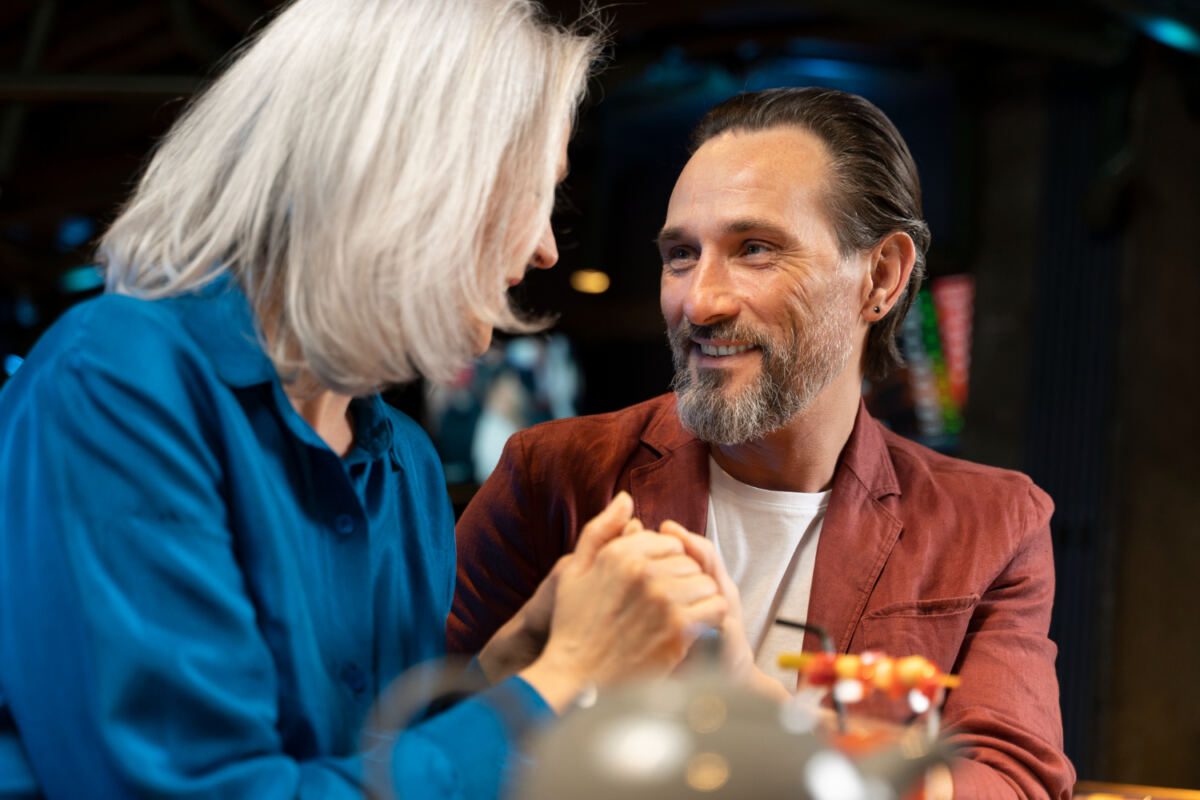
A 52-year-old returning to dating after a long marriage does not need Tinder with larger type. She may be comfortable with technology, run a business, book international trips from her phone, and manage a complicated household calendar. What she probably does not want is to spend three evenings swiping through blank profiles belonging to people who cannot explain what they are looking for.
For years, the dating industry has treated younger users as its default customer. Its most familiar products were built around speed: quick photographs, rapid decisions, and a seemingly endless supply of new faces. Meanwhile, adults over 40 were often offered slightly dated websites that felt like digital classified ads.
Neither approach quite fits the way many mature singles actually live.
As people remain healthier, work longer and start new chapters later in life, dating is becoming part of the longevity economy. It belongs alongside travel, wellness, financial planning and every other industry being reshaped by longer, less predictable lives.
Life After 40 Is Not a Niche Market
The longevity economy is usually discussed in practical terms. Analysts talk about healthcare, assisted living, retirement products, and technology that helps older people remain independent. Those are important markets, but they tell only half the story.
People do not stop wanting companionship because they have crossed a particular birthday. They get divorced. They lose partners. Their children leave home. They relocate for work or decide, after years of putting everyone else first, that they would like someone to have dinner with on Friday night.
Grit Daily has already examined how an aging America is changing the products and services families need. The same demographic shift is quietly changing the relationship business.
Americans aged 65 and older are projected to number 82 million by 2050, up from 58 million in 2022. Yet it would be a mistake to think this opportunity concerns only retirees. The underserved audience begins much earlier, among people in their forties and fifties who no longer recognize themselves in mainstream swipe culture.
These customers are not necessarily uncomfortable online. Many were early users of email, e-commerce, and social media. What makes them different is experience. They have a clearer sense of what wastes their time.
The Numbers Point to an Unfinished Market
A national SSRS survey published in February 2026 found that 37% of American adults have used an online dating site or app. Among people aged 50 and over, that figure falls to 20%. Only 2% of the 50-plus group described themselves as current users.
It would be easy to read those figures as evidence that older adults simply dislike online dating. A founder might look at them differently: four out of five people over 50 have never tried the category, despite living in a world where everything from banking to medical appointments has moved online.
That is not a saturated market. It is a market that has not yet made a convincing offer.
The most interesting number may be 50%. Half of people who have tried online dating say they have been in a committed relationship with someone they met through a platform. That is a useful answer to the familiar claim that dating apps produce plenty of conversation but few meaningful outcomes.
The SSRS research also found that 58% of users went online primarily to find an exclusive romantic partner. Casual encounters receive plenty of cultural attention, but they are not what most customers say they came for.
Mature Users Want Momentum, Not Hurry
The swipe was a brilliant piece of product design. It made dating apps easy to understand, fun to use, and difficult to put down. It also encouraged companies to treat movement as success.
Those are not always the same thing.
A person dating at 48 may have children at home, an established career and little patience for ambiguous intentions. Someone at 63 may be considering retirement, travel, or a move to another country. Both can enjoy flirtation and spontaneity. Neither necessarily wants to begin every conversation by extracting basic information from a nearly empty profile.
For these users, good design creates momentum without forcing haste. It helps people discover whether they share a sense of humor, compatible routines, and similar expectations. A detailed profile is not friction when the details save both parties from a pointless week of messaging.
Search also deserves another look. Younger dating products often rely heavily on algorithmic recommendations, presenting one profile after another while hiding much of the available pool. Mature users may prefer more control. Some want to search by location, interests, or relationship goals. Others care about language, willingness to travel, or whether a potential partner is open to relocating.
Letting customers express those preferences is not old-fashioned. It is respectful.
Trust Starts Before the First Message
Trust in a dating platform is often discussed as a security issue. It is one, of course, but it is also a design issue and a customer-service issue.
Can a newcomer understand the pricing before entering payment details? Does the platform explain what its verification badge means? Is it easy to report uncomfortable behavior? Will a human answer if something goes wrong?
Mature users tend to notice unclear rules quickly. Many have spent decades buying financial products, booking travel and dealing with service providers. They know the difference between a useful feature and a deliberately confusing sales funnel.
This is why prospective customers rarely rely on a company’s own landing page. They look for demonstrations, comments and first-hand impressions before registering. Watching independent DateMyAge reviews can help potential users see how a mature international dating service works in practice and decide whether its communication tools and overall format suit the way they want to meet people.
For the platform, that research behavior is valuable. It reveals where marketing claims need more explanation and where the product may be creating unnecessary uncertainty. A company should not fear informed customers. Customers who understand the service before joining are more likely to use it with realistic expectations.
International Dating Is More Practical Than It Once Was
The mature dating market is not limited to matches within ten miles. Adults who work remotely, travel frequently, or divide their time between cities may be comfortable meeting someone farther away.
Technology has made those connections easier to explore. Video calls are routine. Automatic translation has improved. Flights, accommodation and local transportation can all be arranged from a phone. A long-distance introduction still requires effort, but it no longer feels as improbable as it did twenty years ago.
International dating services can be particularly useful for people whose local social circles have become fixed. After decades in the same profession or community, meeting someone outside that circle can feel refreshing.
The platform’s job is to support that possibility without selling a fantasy. Good international dating products should make time zones and location clear, offer dependable video communication, and encourage honest conversations about travel, family responsibilities, and future plans.
That practical side does not make romance less romantic. It gives a promising connection somewhere to go.
Artificial intelligence will play a larger role in dating, but its best uses may be the least theatrical ones.
It can detect duplicated photographs, identify suspicious activity, and surface profiles with genuinely relevant interests. It can improve translation between two people without flattening every sentence into formal business English. It might help a nervous newcomer turn a list of hobbies into a warmer, more personal biography.
What it should not do is pretend to understand love better than the people involved.
Matching systems have access to useful signals, but attraction remains stubbornly human. People surprise themselves. They laugh at jokes that should not work, feel comfortable with someone outside their usual “type,” and discover that a quality they never listed in a filter matters enormously in person.
The right role for AI is closer to a thoughtful host at a dinner party: make a plausible introduction, provide enough context to begin talking, and then get out of the conversation.
A Better Business Model Rewards Progress
Dating platforms face a contradiction that most subscription companies do not. Their happiest customer may eventually leave because the product worked.
That reality has encouraged parts of the industry to optimize for attention. More swipes, more notifications, and more time in the app look good on an engagement dashboard. They do not necessarily mean that anyone is getting closer to a relationship.
Products for mature users have an opportunity to measure something better. Useful indicators might include the number of thoughtful replies, conversations that progress to video, completed profiles, and customers who feel confident using safety controls.
There is room for paid features, too. Adults will pay for a service that saves time and provides genuine value. Better search tools, identity checks, translation, profile assistance and responsive support are easier to defend than artificial restrictions designed to make ordinary communication frustrating.
The wider business opportunity extends beyond the platform. Dating photography, local events, travel planning, personal styling and coaching for people returning after a long relationship can all become part of the ecosystem. The key is to help customers feel prepared, not inadequate.
Dating Is Part of Living Longer
The longevity economy is too often described as a collection of problems to manage. Longer lives bring financial and healthcare challenges, but they also create something positive: more room for reinvention.
People start companies after 50. They move abroad after 60. They learn new skills, build new friendships, and fall in love at ages that older generations were encouraged to treat as an epilogue.
Dating startups do not need to “teach” mature adults how to connect. They need to remove the obstacles that make connecting online feel tiring or untrustworthy.
That means clearer products, better support, richer profiles, and fewer tricks designed merely to keep a thumb moving across a screen. The businesses that understand this audience will be serving more than a demographic trend.
They will be serving people who still have plans—and would rather not make all of them alone.
Related Stories
 Business
Telus sues former employee, alleges they charged $1.1M to company credit card
1 hour ago
 Business
Celebrities back 49 startup rounds worth $458 mn, 55% at seed stage
4 hours ago
 Business
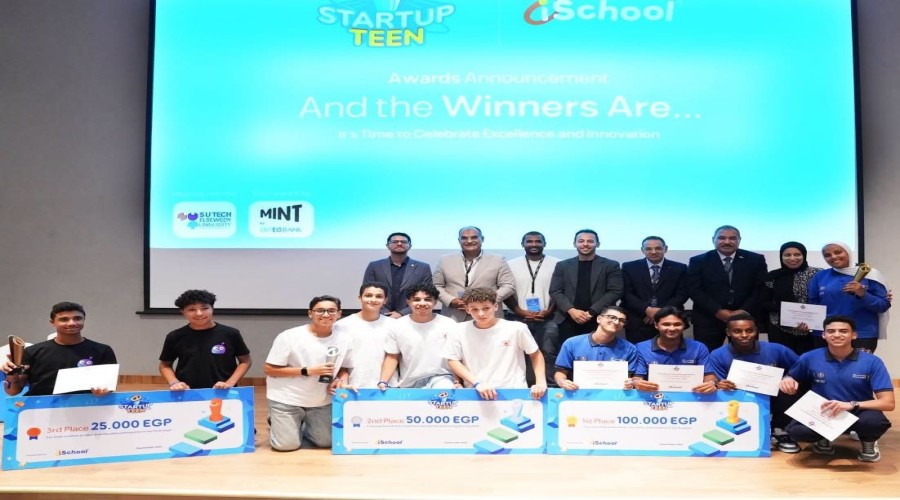
MCIT initiative students win top honours at Startup Teen 2026
4 hours ago
 Business
How DiDi built intelligent contact center QA with Amazon Bedrock
5 hours ago
 Business
Perth’s Komo kicks off $5m US punt after NFL contract win
6 hours ago
 Business
Founder Of The Week: Andrew McLernon
9 hours ago
 Business
Poseidon Aerospace lands $60M ahead of first pilotless test flight
9 hours ago
 Business
‘Mirzapur The Movie’ storms past Rs 113 crore in four days
10 hours ago