
Today's oilfields would amaze the industry's pioneers
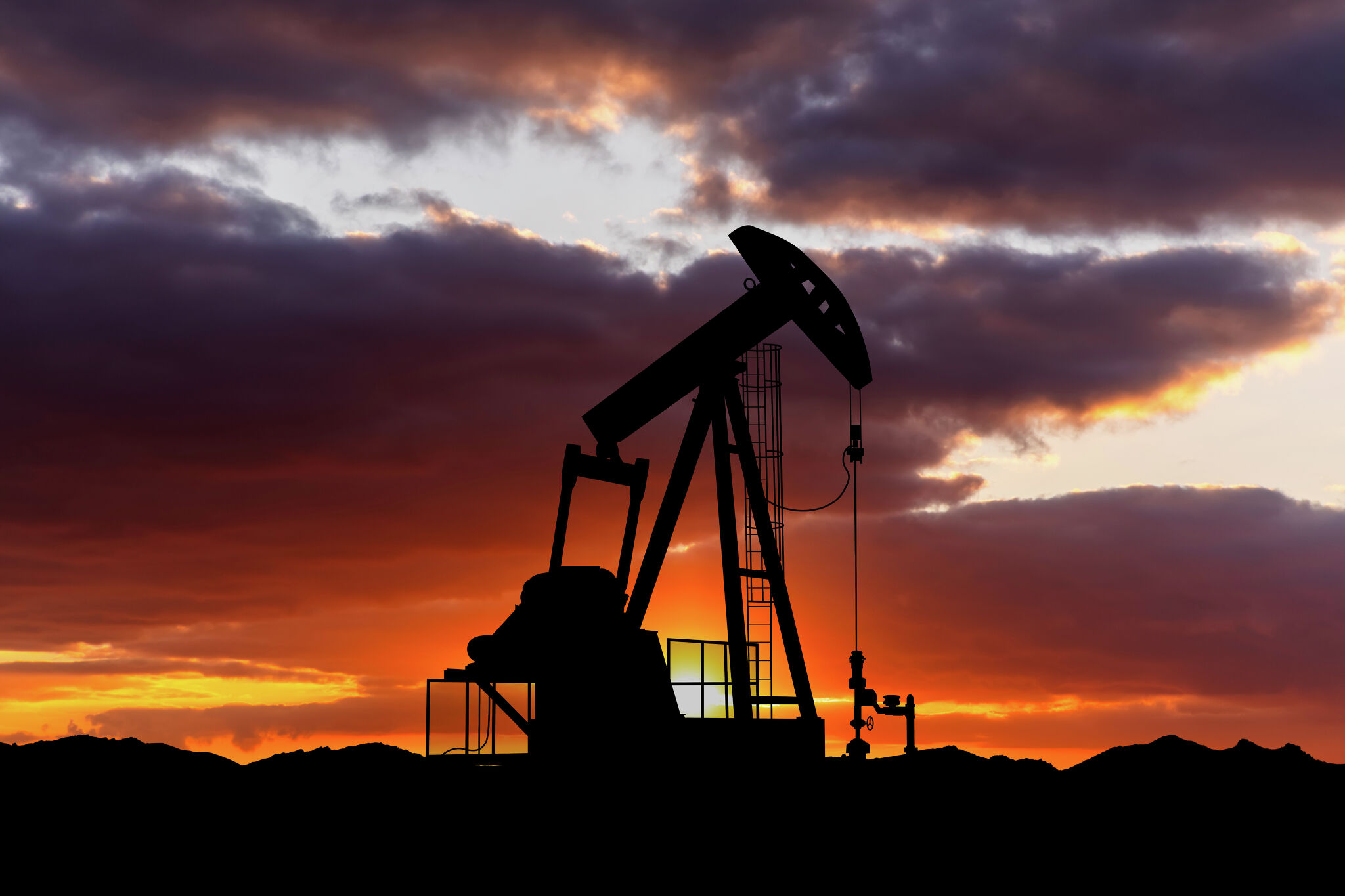
Today, machines help oversee oil and natural gas production and the growing use of artificial intelligence is expected to further advance automation in the industry.
In the beginning, cable tools pounded holes into the ground and nitroglycerin shots burst holes in pipe to coax oil to the surface.
Article continues below this ad
“Everything at one time was very manual,” said Melissa Weston, strategic business manager for production enhancement at Halliburton. “Even 20 years ago, a hydraulic fracturing job meant making 100,000 decisions at many stages. You had to watch over 20 pumps, managing leaks, pressures.”
Over the last decade, the industry has focused on automating a number of tasks, she told the Reporter-Telegram.
“One of the most exciting things is automation. We let machines make the decisions. That improves consistency and safety, also efficiency,” she said.
That efficiency has helped oil and natural gas production in the Permian Basin, Texas and the U.S. reach record levels.
“We went from irrelevancy in the early 2000s to the leading energy producer,” she said.
Weston predicted the industry will see even bigger changes in the next two to five years because of the pace of technological change.
Through automation, multiple new wells can be completed at the same time using one set of equipment. The trade-off is that each well is treated the same, “and that shouldn’t necessarily be the case. Each well is different, especially in the Permian Basin. We should tailor our treatments to each well and there’s not a lot of advancement in that area.”
Weston said the industry has reached peak efficiency and should now turn its focus to optimizing recovery from its assets.
She agreed those who pioneered the nation’s oil and gas industry would be amazed at the new technology.
“We’ve seen cleaner fluid systems, we’ve seen reuse of produced water. That’s had a significant environmental impact. As far as personnel, automation has removed personnel from what we call the red zone. That’s been a huge change in the past 100 years,” she said.
These advancements have contributed to the growth of the nation’s energy resources and helped turn the U.S. into one of the world’s leading energy exporters.
“It speaks volumes for the people doing the work,” she said. “The level of skill they’re bringing into the industry. It’s amazing what we’re able to accomplish.”
Related Stories
 AI News
Digital Digest: The Latest Tech News
42 minutes ago
 AI News
Douglas County, Wis., Adopts AI Policy for Officials, Staff
42 minutes ago
 AI News
AI can detect heart disease in women using mammograms, study suggests
1 hour ago
 AI News
Commerce official warns of obsolescence without AI adoption
1 hour ago
 AI News
Bentonville AI startup opens headquarters
2 hours ago
 AI News
Dysart Schools will phase in artificial intelligence plan
2 hours ago
 AI News
How Europe can save a trillion euros and win the AI race
3 hours ago
 AI News
iManage Accelerates Enterprise AI Transformation with Google Cloud’s Gemini Enterprise for Legal
3 hours ago