
Trump and Xi may extend their truce, but Canada still faces a rare earth squeeze
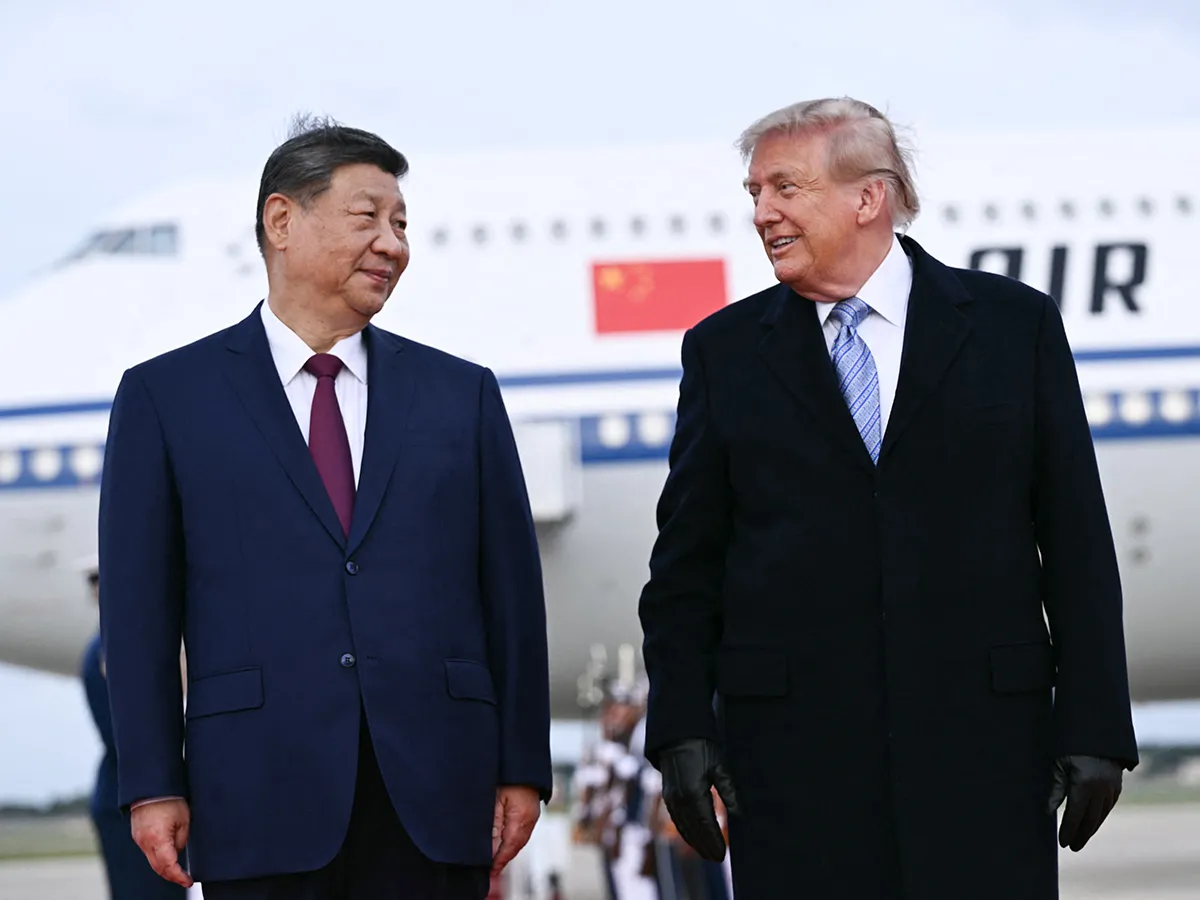
WASHINGTON, D.C. — Trade tensions are becoming a familiar problem for Washington and this week U.S. President Donald Trump is putting his deal-making skills to the test as he hosts China’s president at the White House.
Xi Jinping arrived in Washington, D.C., on Wednesday, and he and Trump will hold talks on Thursday. They are expected to discuss Iran, Taiwan, and AI safety standards, but the main focus will be on trade — and particularly U.S. access to Chinese rare-earth magnets and processed materials that also feed Canadian supply chains.
The summit comes nearly a year after Xi and Trump forged a trade truce in Busan, South Korea, suspending selected retaliatory measures — including some Chinese export controls on rare-earth magnets and critical materials — and reducing some U.S. tariffs.
That truce was set to expire on Nov. 10 but, on Wednesday, U.S. Treasury Secretary Scott Bessent told Fox News that it would be extended until Jan. 10. That’s at least partly because Trump is seeking an economic victory ahead of November’s midterms, but he also must ensure the continued flow of Chinese rare-earth exports to U.S. manufacturers.
Canadian leaders will be watching for any sign of a long-term deal, but trade analysts say Ottawa is likely to lose either way, whether Xi and Trump fail or succeed in coming to an agreement. A collapsed truce could disrupt Canadian manufacturers that rely on Chinese magnets and processed rare earths, while an extension could bring short-term stability but leave Canada dependent on Chinese supply. An extended truce would also leave Canada exposed to a wider U.S.-China trade deal that diverts sales and investment to the U.S.
“No matter what happens, the Canadians are going to be in a position [where] they’re worried about how much of the piece of the pie they’re going to lose,” said Stephen Nagy, senior fellow at the Macdonald-Laurier Institute.
China, pushing for greater stability, wants to extend the truce until the end of the Trump presidency, while the White House was pushing for the shorter extension.
The rationale for the shorter extension, explained Dominic Chiu, a senior China and Northeast Asia analyst at Eurasia Group, is that the U.S. believes “it gives them more leverage to extract concessions and to continue the momentum to negotiate with the Chinese … in exchange for additional extensions along the way.”
The report on Washington’s Section 301 structural excess capacity investigation against China has reportedly been punted until after the summit, but that probe may be factoring into Trump’s timeline demands.
“Giving more than six months would effectively be indicating that the 301 investigation is null,” said China scholar Anna Ashton, of Ashton Intelligence.
“The U.S. side will want to have those 301 investigation findings as future leverage for the next round of talks,” she added, noting she expects a six-month extension of the truce to result.
Related Stories
 Canada
Canadian retail sales drop for the first time in almost a year
17 minutes ago
 Canada
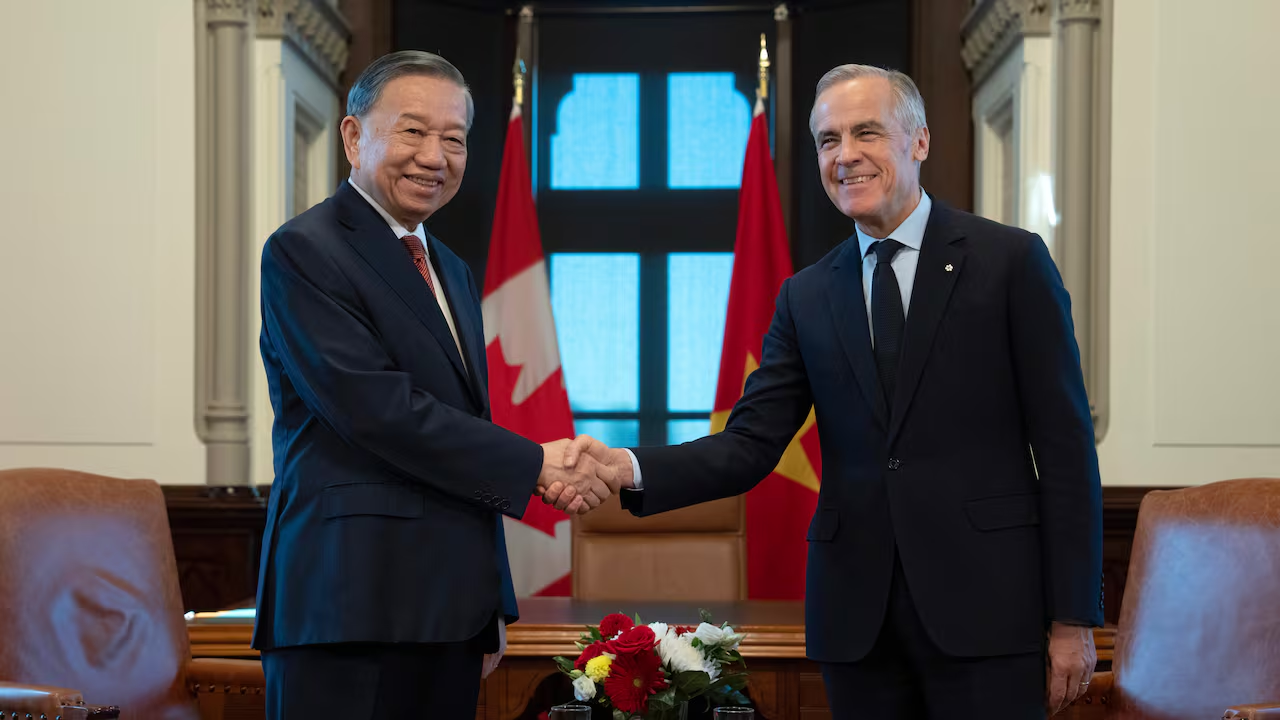
Carney welcomes Vietnamese president to Canada
17 minutes ago
 Canada
Eight sailors assigned to U.S. carrier group that fought in Iran war attempted suicide, navy secretary tells Congress
1 hour ago
 Canada
Former soldier who shot at synagogue was suing military for $1M over vaccination policy
1 hour ago
 Canada
Canada’s housing market shows ‘persistent regional splits'
1 hour ago
 Canada
Cineplex may be going up for sale, company says in announcement of new CEO
1 hour ago
 Canada
Judge orders White House to restore access to CNN, MS NOW and Politico. Reporters still blocked
2 hours ago
Toronto's Weekend Forecast
2 hours ago