
Trump's new U.S. customs rules could upend Canadian exports
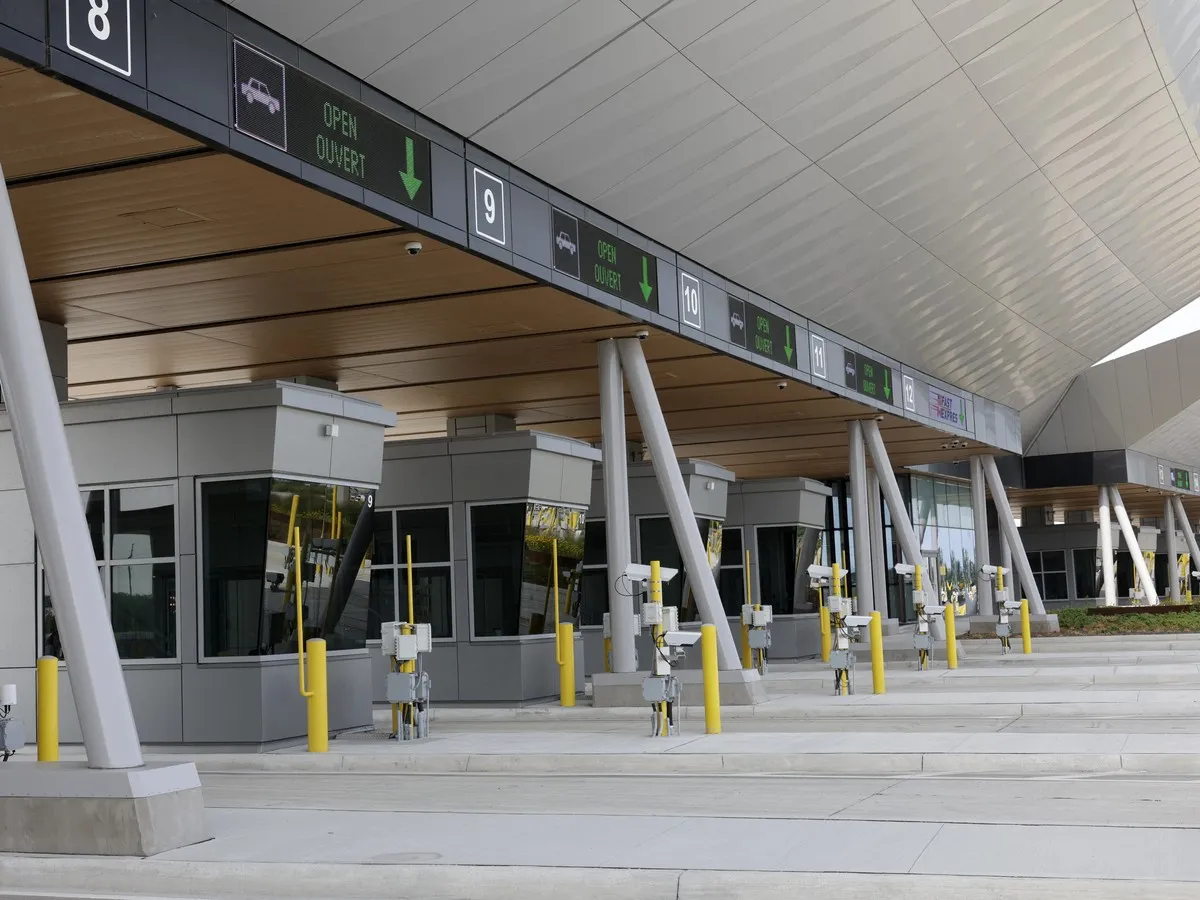
WASHINGTON, D.C. — Many Canadian exporters who have traded duty-free under the Canada-United States-Mexico Agreement are facing the threat of 50 per cent duties on their goods under Section 338 tariffs, which Washington is set to impose on hundreds of products starting August 19.
These firms may also need to increase their customs-bond coverage, which guarantees payment of duties and fees if an importer defaults, as higher tariffs increase the U.S. government’s exposure.
But trade lawyers and customs professionals say another change could affect far more Canadian exporters.
On June 3, U.S. President Donald Trump signed executive order that seeks to tighten U.S. customs enforcement to crack down on trade fraud and shell importers that evade duties.
“They’re going to a stricter importer regime … directing U.S. authorities to strengthen the importer registration, bonding, disclosure, vetting, and enforcement,” said Martha Goncalves, partner for tax, customs and international trade at PwC Canada.
“The U.S. is actually raising the bar on who can import and how much information that they must provide.”
So is this another way of targeting Canada?
Goncalves doesn’t see it that way and notes that it’s a global directive.
“(The U.S. administration is) trying to change the global trading system, and this is just part of their playbook,” she said. “Unfortunately, Canada being just directly to the north, we get hit hardest because we have such a big footprint of Canadian exports going to the U.S.”
The attempt to crack down on fraudulent trade and shell companies that evade tariffs and fees is a good thing, said Carrie Owens, a lawyer specializing in international trade from Washington-based firm Kelley Drye and a former director at U.S. Customs and Border Protection (CBP).
“The purpose of this is good … It’s to stop illicit trade.”
The intent doesn’t worry her, but the breadth of implementation does.
The order defines “U.S.” and “foreign” importers of record (IOR) and directs the Department of Homeland Security (DHS) secretary to adopt stricter entry requirements for the latter. Owens worries that Canadian firms that now operate as non-resident importers — or through thinly capitalized U.S. entities — could be classified as foreign IORs if they lack enough U.S. assets or qualifying ownership.
The order also directs DHS to prohibit foreign IORs from filing informal entries, a simplified customs process generally used for lower-value shipments.
“They’re going to be considered foreign importers of record even though they are organized under the laws of the United States. They have been here for decades,” Owens said.
Because the order could fundamentally change how many legitimate companies import into the United States, and many may not yet realize it, experts fear it will lead to trade disruptions.
“The tariffs are a cost of doing business … Potentially, the actions that are happening could disrupt the flow of goods,” Owens said.
Related Stories
 Canada
Simplii Financial rolls out tools for DIY banking in bid for growth
42 minutes ago
 Canada
As Canadian defence spending ramps up, London firms excited about opportunities
42 minutes ago
 Canada
Kevin Vuong: How Canada stacks up against its peers
42 minutes ago
 Canada
France won't grant crab licence off Newfoundland without discussion, ambassador says
1 hour ago
 Canada
Founder of Canada
1 hour ago
 Canada
Shark Tank star Robert Herjavec opens doors to Muskoka home
2 hours ago
 Canada
Western Quebec doctors' group urges PQ to tackle physician shortage
2 hours ago
 Canada
Canadians are staying away from Las Vegas
2 hours ago