
UNSW Leads AI, Big Tech, Human Rights Debate

UNSW Sydney convened a panel of experts to discuss the future of human rights in the age of AI.
Artificial intelligence is revolutionising how we work, learn and communicate - but its rapid development is also raising urgent questions about safety and the future of humanity .
This week an expert panel examined how society can protect human rights as AI becomes more powerful and more deeply embedded in everyday life.
The event was the second annual 'Provocation Series' hosted by UNSW's Australian Human Rights Institute , bringing together leaders in law, government and policy to reflect on societal challenges and opportunities.
Introducing the panel, UNSW Provost Scientia Professor Vlado Perkovic highlighted the need to ensure AI development serves the public interest.
"The choice before us is not between technological progress and human safety; it's whether we're capable of pursuing both at the same time," he said. "People committed to human rights must insist that questions of agency, accountability, participation and human dignity, are not something that we try and clean up afterwards."
One of the world's leading AI researchers Scientia Professor Toby Walsh said greater oversight was needed to ensure technology companies were held accountable for the harms imposed by the products they'd created.
"You don't mark your own homework. I can't think of another trillion-dollar industry where people's lives might be at stake and there isn't strong government oversight," Prof. Walsh said.
"The technology industry has been given a complete carve-out from responsibility for many of the harms its products cause. If company leaders were held liable for those harms, I suspect they would quickly find ways to prevent them."
Prof. Walsh addressed the National Press Club of Australia earlier this year, warning the nation was 'dangerously unprepared' for the AI revolution . The Chief Scientist at UNSW's AI Institute called for robust regulation and investment in research to ensure AI is deployed safely and in the national interest.
"When we start worrying about technology, we inevitably end up talking about human rights, because we are building technology that really tests what it means to be human - including our right to work and our right to our own thoughts."
ABC National Technology reporter Ange Lavoipierre reflected on the evolution of AI and the challenge of regulating technologies that are already widely used.
"The training data and guardrails [for AI] were the wild west. They weren't regulated at all. The question is how you introduce regulation later, when you can't unscramble the egg, if harmful knowledge is already embedded in the model," she said.
"We need a preventative approach to regulation rather than a whack-a-mole approach, where we deal with harms only after they emerge."
Ms Lavoipierre said big tech's approach to human rights remained uncertain.
"As long as the industry doesn't see itself as having opted out of human rights, that self-belief can be leveraged. But it is a knife-edge moment."
Director of the Australian Human Rights Institute Professor Justine Nolan said AI could support human rights.
"Technology is never neutral. It takes on the characteristics of those who design, finance, regulate and use it," Prof. Nolan said.
"In human rights, we've seen some real benefits coming out of AI. In particular, there's evidence gathering in international courts, AI is mapping atrocities, AI satellite imaging is looking at patterns … But the risks are becoming more and more obvious."
The panel also discussed AI's impact on human connection and how to preserve judgement and dignity as superintelligent technologies become more embedded in daily life.
"We are going to have to work hard to preserve what makes us human - our ability to reason, form judgements, build meaningful relationships and maintain privacy, identity and agency," Australian Communications and Media Authority (ACMA) Chief AI Officer Samantha Yorke said.
"I don't think technology and AI companies have opted out of human rights. They genuinely believe they are trying to make the world a better place. But we are going to have to whip these technologies into shape as humans."
Related Stories
 AI News
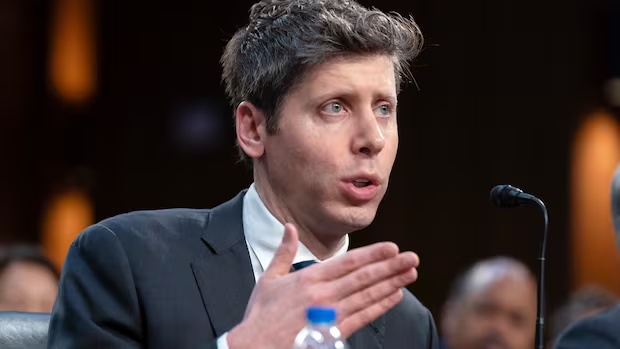
OpenAI asks California court to dismiss lawsuits over Tumbler Ridge shooting
30 minutes ago
 AI News
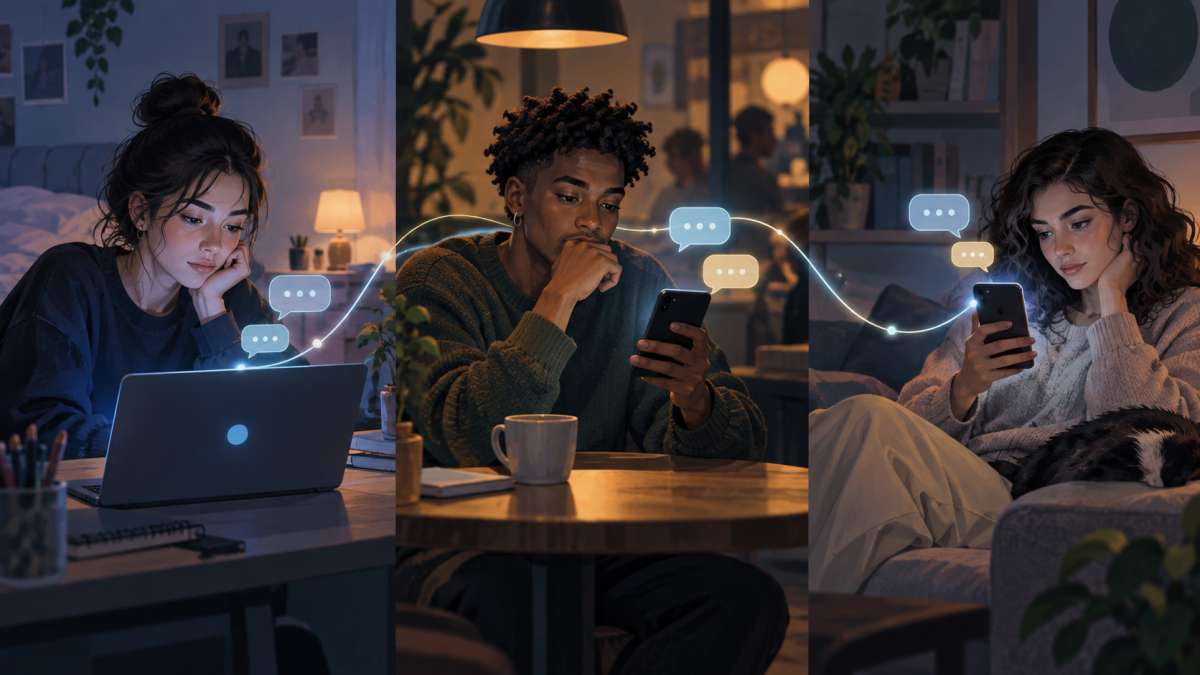
"ChatGPT, should I break up with my partner?": 28% of Gen Z users turn to AI with personal problems
33 minutes ago
For all the talk of clouds, algorithms and artificial intelligence, there is nothing weightless about AI
33 minutes ago
 AI News
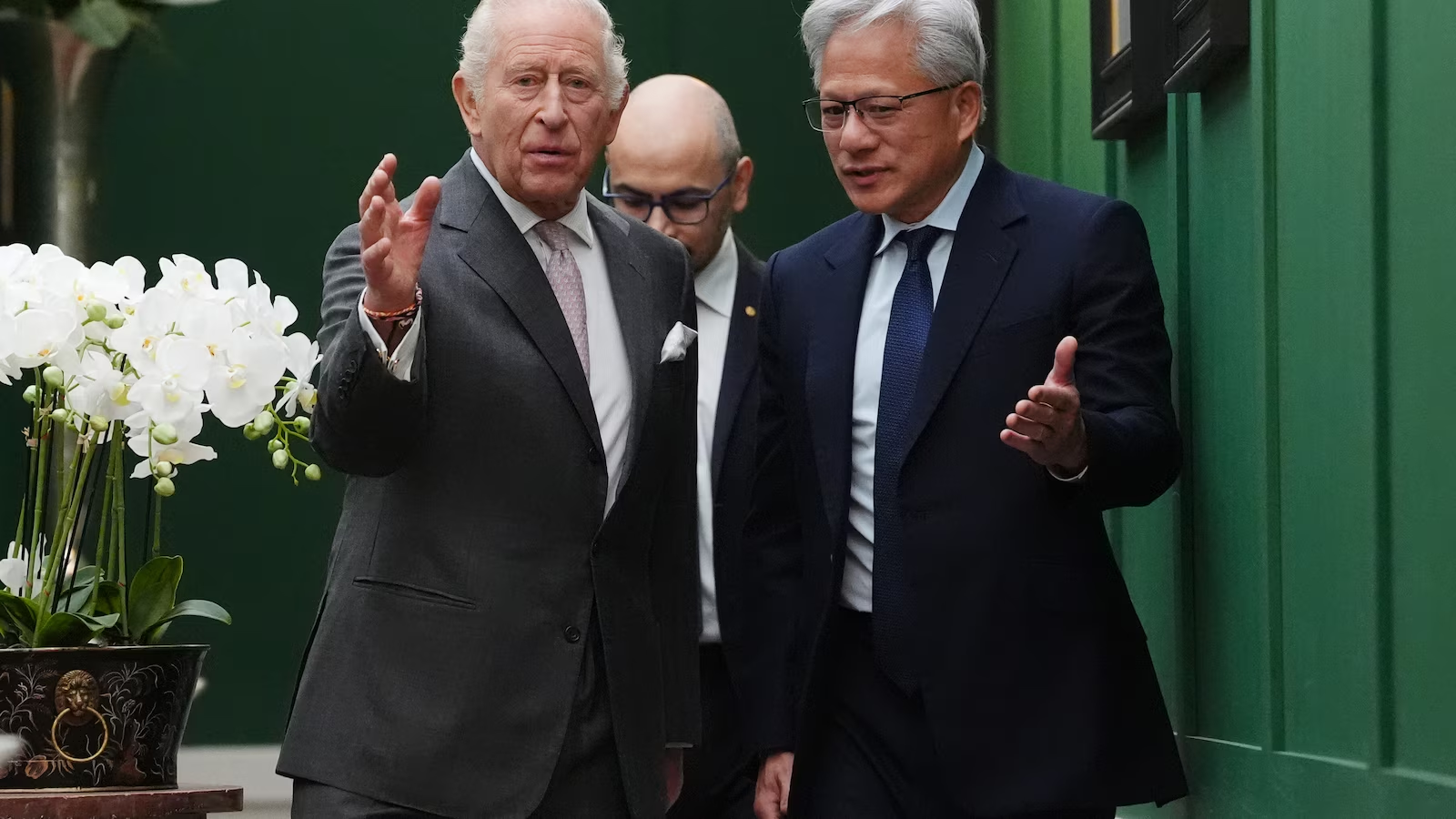
The king and AI: UK monarch Charles meets artificial intelligence leaders as safety concerns swirl
33 minutes ago
 AI News
30 Years Of Neglect: AI Exposes The Pentagon's Weaknesses
1 hour ago
 AI News
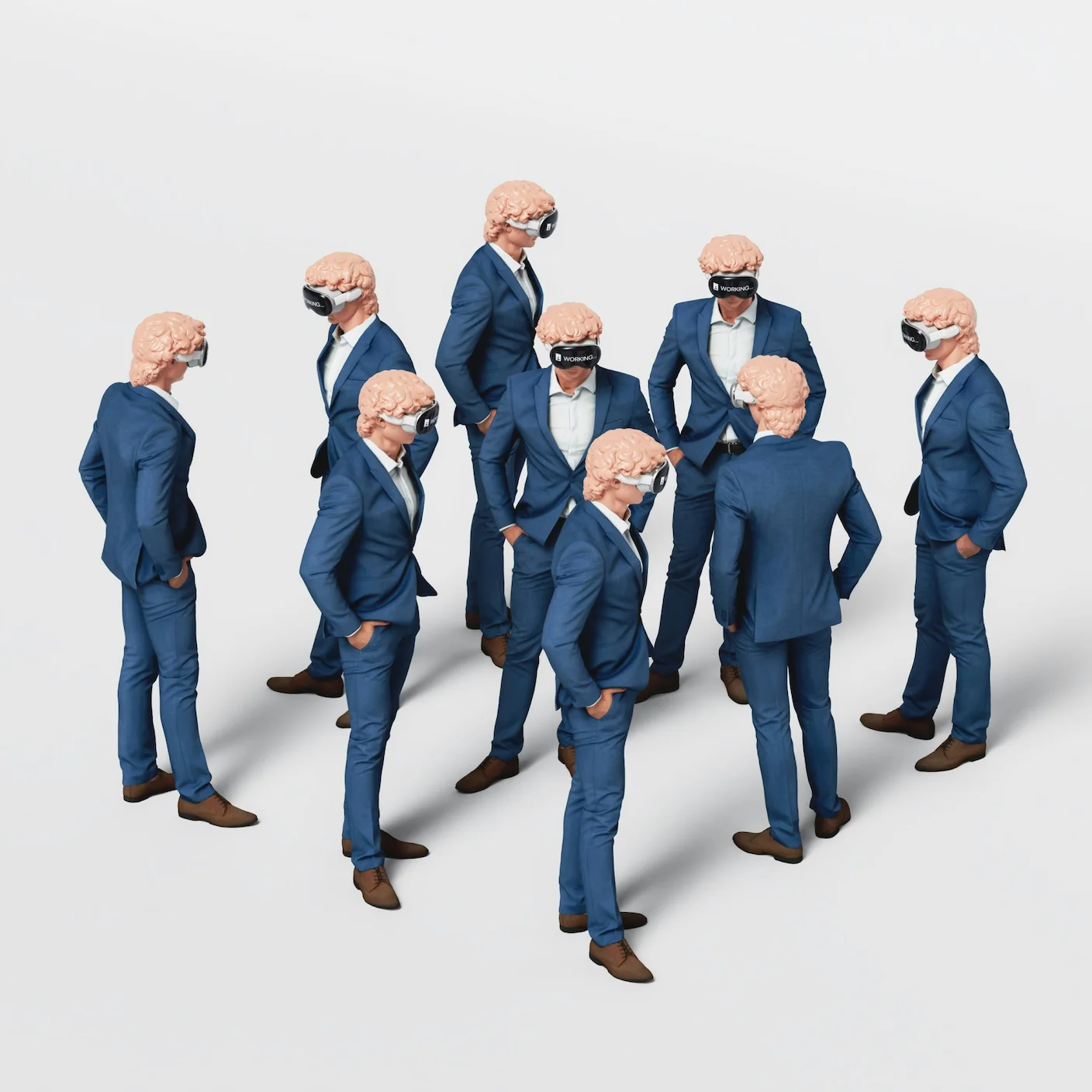
The Next Frontier Is Not Artificial Intelligence
1 hour ago
 AI News
Anthropic says its model Claude is helping to build the next version of itself
2 hours ago
 AI News
AI labs are claiming “AGI” is imminent
3 hours ago