
Uzbekistan to use artificial intelligence to identify problems in mahallas
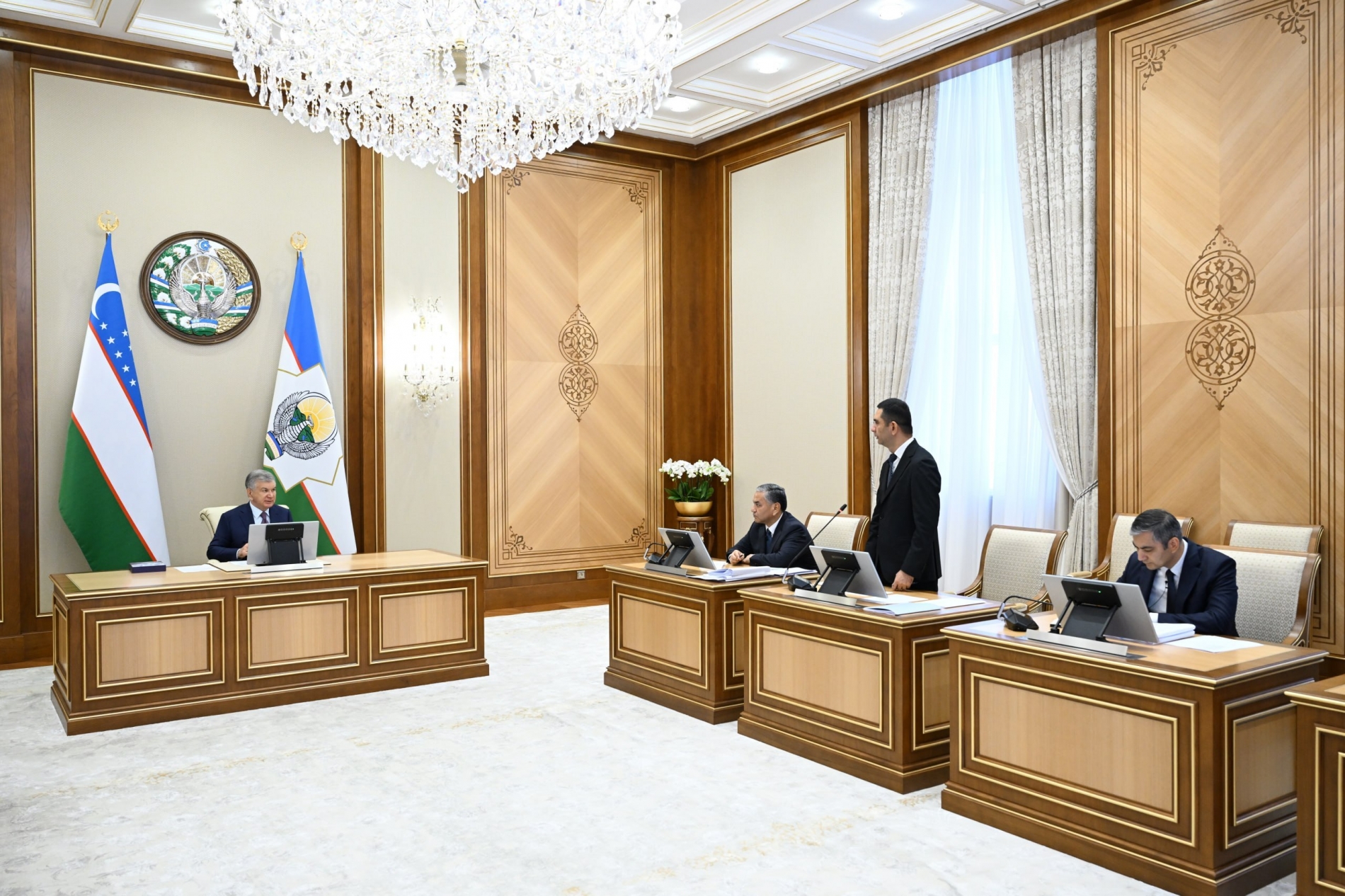
Uzbekistan plans to use artificial intelligence (AI) to identify and address problems in local communities, known as mahallas, as part of broader efforts to improve public services, reduce poverty, and boost employment.
The initiative was presented to President Shavkat Mirziyoyev during a review of reforms aimed at strengthening the role of mahallas in local development.
According to officials, a nationwide door-to-door survey identified issues affecting approximately 1.365 million citizens. To improve response times, the government plans to integrate the information systems of 35 ministries and state agencies into the Digital Mahalla platform.
The platform will enable authorities to monitor problems at the neighborhood level, analyze citizens’ complaints and requests, and coordinate solutions more efficiently.
A key feature of the project will be the use of artificial intelligence. Officials say AI-powered tools will help predict emerging challenges in individual mahallas and recommend measures to address them before they become more serious.
A mahalla is a traditional neighborhood community and an official local self-governing body in Uzbekistan. Mahallas play an important role in community life, social support, and local administration.
Employment and poverty reduction goals
The initiative forms part of a broader government program being implemented during the Year of Mahalla and Society Development, declared in Uzbekistan for 2026.
By the end of the year, authorities aim to provide permanent employment for one million people, help 181,000 families escape poverty, increase the number of poverty-free mahallas to 3,500, and reduce both unemployment and poverty rates to 4.5%.
The government also plans to expand economic opportunities within mahallas. Working with commercial banks, officials intend to develop business and investment project portfolios tailored to the economic potential of each community.
Authorities expect the initiative to generate new jobs and create additional sources of income for local residents.
Trillions allocated for local development
The presentation highlighted ongoing efforts in 37 districts and 915 mahallas identified as facing the greatest development challenges.
To modernize infrastructure in these areas, the government has allocated 12 trillion soums from the state budget. An additional 4 trillion soums has been provided to local authorities to implement development programs.
Further financial support is also planned. The Republican Mahalla Fund has received an additional 200 billion soums, while new financing mechanisms are expected to generate around 300 billion soums in annual revenues for mahallas.
Under the proposals, a portion of fines collected for sanitary violations and unauthorized construction will be transferred directly to mahalla budgets. In addition, the share of land and property tax revenues retained by mahallas will increase from 10% to 15%.
The funds are expected to be used for repairing local roads, building pedestrian areas, playgrounds and sports facilities, creating parks, and supporting low-income families and employment initiatives.
Focus on rehabilitation and research
Authorities also plan to expand professional training and social rehabilitation programs for approximately 245,000 citizens with previous criminal records.
During the presentation, officials noted a lack of academic research on the mahalla system. According to government data, only 10 out of nearly 20,000 scientific studies conducted in the country focus specifically on mahalla-related issues.
To address this gap, authorities proposed establishing a National Institute for Mahalla Development, which would work in cooperation with the Academy of Public Administration.
The institute would conduct research on ongoing reforms, analyze best practices, develop policy recommendations, and provide training for local officials. Plans call for approximately 21,000 mahalla employees to receive professional development training each year.
President Mirziyoyev endorsed the proposed initiatives and instructed officials to ensure the full rollout of the Digital Mahalla platform, expand funding sources for local communities, establish the new institute, and promote the construction of mahalla facilities through public-private partnerships.
Related Stories
 AI News
Bill Gross bets AI can help mass
1 day ago
 AI News
Nigeria records 93% rise in AI micro
1 day ago
 AI News
The Italian gelato maker using AI to invent new flavours
1 day ago
 AI News
Closing the Gap Between Agentic CX Pilots and Production
1 day ago
 AI News
New Brunswick data centre debate highlights cross
2 days ago
 AI News
How to Structure an AI Agent Referral Fee Agreement Between Startups
2 days ago
 AI News
No, AI didn’t delete a Swedish reality TV series
2 days ago
 AI News
There is no AI in Armageddon. Artificial intelligence is a tool, not an apocalypse
2 days ago