
Water scarcity poses grave threat to lives as global reserves deplete, UN weather agency warns
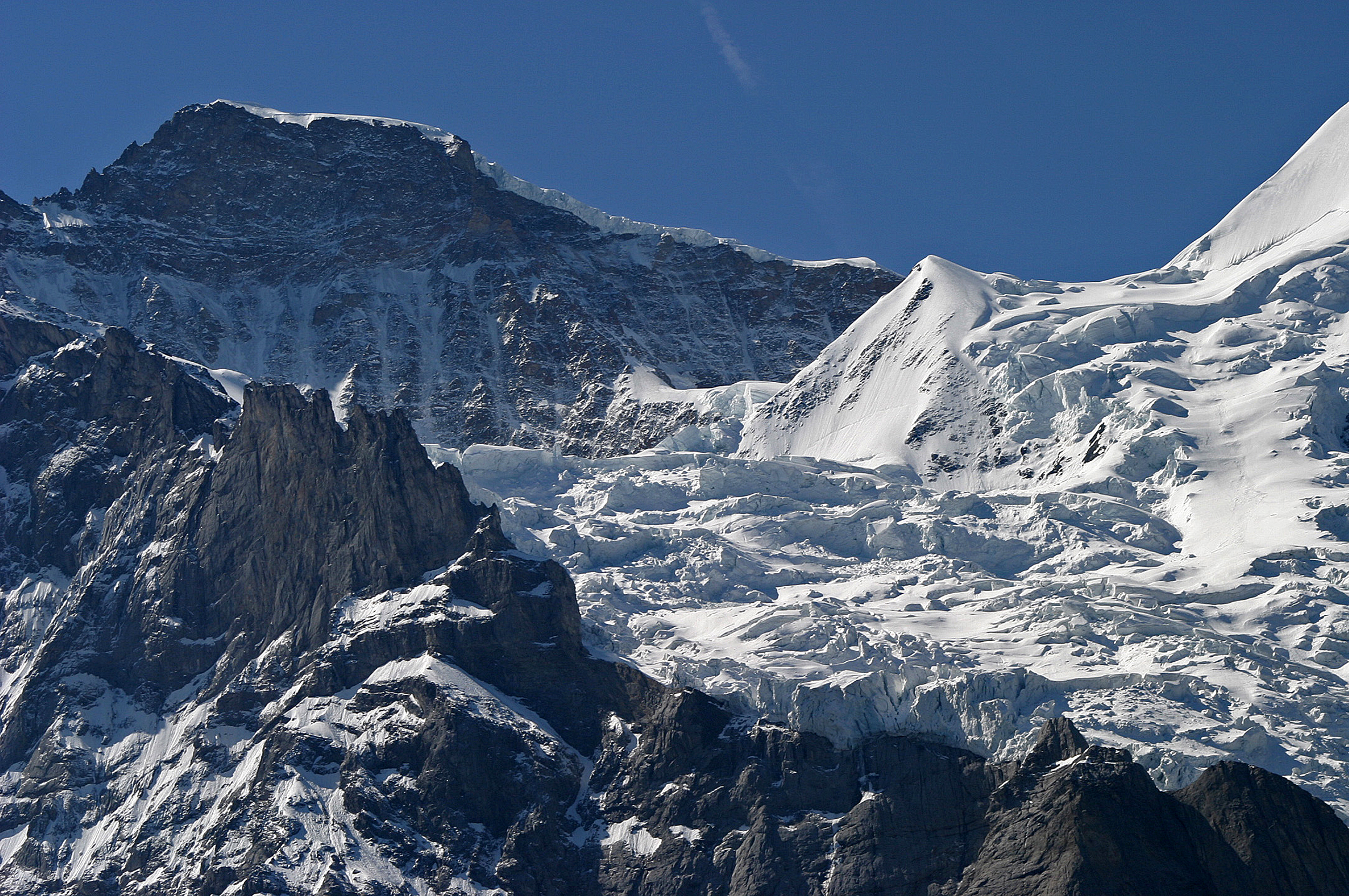
The UN World Meteorological Organization (WMO) warned on Thursday that according to its latest report assessing the state of global water resources, the world would increasingly experience abnormal water supplies due to decade-long signals of disruption in freshwater resources, including river flows, groundwater, and glaciers.
The WMO’s report indicated that 2025 was one of the driest years for river flows worldwide in 35 years, with below-normal discharge observed across 36 percent of the world’s river basin area. In August 2026, Romania experienced a record-low water levels in the Danube, forcing it to shutdown a nuclear power plant and causing disruptions in electricity supplies.
Additionally, the WMO’s Secretary-General Celeste Saulo stated that terrestrial water storage has been declining since 2014, while groundwater levels in many regions have decreased over several years. Moreover, nearly two-thirds of monitored groundwater wells fell outside their normal range in 2025, and conditions are shifting toward deficit rather than recovery.
Saulo also stressed that water-related extreme events, such as glacier melt, pose significant risks to economies and communities, noting that every major glacier region on Earth has lost ice for the fourth consecutive year. The WOM’s Director of Hydrology and Cryosphere Wayne Jenkinson added that some regions, such as Central Europe, western Canada, and the US have already reached peak water. Celeste Saulo explained that groundwater, glaciers, snow, and other freshwater stored on land serve as Earth’s “savings account,” providing a buffer during hot seasons and droughts, but these reserves are currently being depleted.
However, Narelle van der Wel, WMO’s Head of Cryosphere Monitoring, Predictions, and Services, highlighted that while further glacier loss is inevitable, the scale of the decline is not predetermined, stressing that limiting further losses remains possible if emissions are reduced. Relatedly, the WMO’s report does not attribute water scarcity to climate change alone. The organization pointed out that pressure on water resources from expanding industries, such as Artificial Intelligence and data centers, alongside natural variability, also contribute to water shortages.
Consequently, the WMO called on world leaders to prepare for future developments related to water scarcity, emphasizing that radical changes in water conditions have already occurred. It also underlined that preparation requires better water monitoring, data-sharing, and coordinated early warnings in order to allow effective responses.
The WMO’s report comes a few weeks after deadly flash floods hit Nepal due to a glacier collapse and landslide near Nepal’s border with China, which resulted in thousands of deaths and a humanitarian crisis.
In 2021, the Institute for economics and Peace (IEP) released a report revealing that natural resource depletion, including water risks, is the driver of violent conflicts between nations, with other studies indicating that deteriorating water scarcity has the potential to trigger armed conflicts in the future. In addition to water scarcity, the contamination of drinking water with polyfluoroalkyl substances (PFAS), known as “forever chemicals,” is another problem facing communities.
Related Stories
 World
World
Farken surges to world road mile title in Copenhagen
6 minutes ago
 World
World
I joined Karl Bushby on his round-the
6 minutes ago
 World
World
Saudi Arabia issues first air raid alerts for Riyadh since Houthis escalated attacks
6 minutes ago
 World
World
Guillemot kicks to world road mile title in Copenhagen
1 hour ago
 World
World
Manitobans brace for dark mornings, lighter evenings after time change nixed
1 hour ago
 World
World
Family wants answers after death of injured woman sent home from Saskatoon hospital
1 hour ago
 World
World
UN pleads for urgent aid as Haiti children face malnutrition crisis
2 hours ago
 World
World
World Series of Darts Finals: Luke Littler overcomes lively crowd to beat Danny Noppert as Gerwyn Price, Nathan Aspinall also win
2 hours ago