
What to Watch: AI’s Impact on the Economy

Artificial intelligence just might consume the world, if not literally — although some aren’t counting out that possibility — then figuratively.
The rapidly maturing technology is on everybody’s minds at home and work. It’s dominating the stock market, the headlines and more.
While fashion companies are what one might call AI curious, experts said they’re still not seeing real return on their investment as the new capabilities are being applied unevenly and have not settled in across the workflow.
But one way or the other, the AI-enabled future approaches — even if the on-the-ground realities don’t yet live up to either the hype or the worst fears of skeptics.
Companies across the economy cited AI as a reason for 112,713 job cuts through July this year, making up some 24 percent of all U.S. layoffs, according to Challenger, Gray & Christmas.
But overall job cuts have slowed dramatically, falling 41 percent to 477,033 through July this year, said the employment firm.
“The pace of layoffs fell dramatically this summer,” said Andy Challenger, chief revenue officer. “Layoff plans continue to be announced primarily in tech, and artificial intelligence is still the story, as investments in the technology reshape organizations.
“Hiring has also increased over last year by 25 percent, so while AI is shifting the labor market, it is not dismantling it,” Challenger said.
Skeptics are watching closely to see if that stays true.
Regardless, AI is already altering the economy and has had a big impact on where money is being spent. But, again, the result is evolution so far, not revolution.
AI investment in the U.S. will hit nearly $600 billion this year, equal to almost 2 percent of GDP, according to an analysis this month by Jessica Rindels, an economist at Goldman Sachs.
But Rindels maintained that spending was “crowding out” only a limited amount of other spending by:
“While AI-related financing has grown to nearly a quarter of gross investment grade [debt] issuance, spillovers to borrowing rates for non-AI companies look limited so far, with credit spreads for non-AI companies near historical lows,” Rindels said.
“Our analysis suggests that both AI’s contribution to U.S. GDP growth and its crowding-out effects are smaller than often thought,” she said. “We estimate that accounting for the indirect effects of AI — roughly $50 billion of incremental crowding out in 2026 from [displaced tech and constructing spending and higher interest rates], positive stock market wealth effects on consumer spending, and the hit to real income and consumer spending from higher electricity and other prices — would shave about 0.1 percentage point off of the impact on 2026 GDP growth.”
That’s this year — assuming that all the AI hype continues to propel the market forward, fattening stock portfolios and keeping affluent consumers spending.
The question is, What about next year? And the year after that? After all, global AI spending by 2030 is expected to skyrocket, with estimates ranging from $5.3 trillion up to $7 trillion, according to McKinsey estimates. Clearly, something will have to give.
Related Stories
 AI News
42Maru Targets Saudi AI Partnerships
43 minutes ago
 AI News
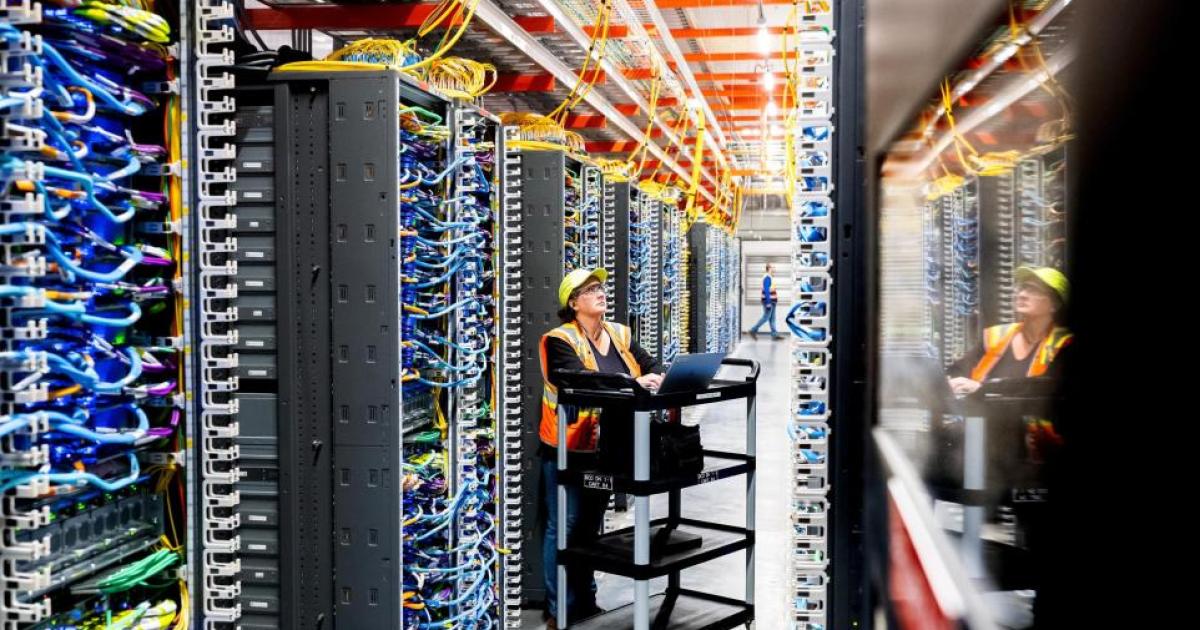
Roz Foyer: What’s in the AI data centre explosion for working people?
44 minutes ago
 AI News
AI and robotics drive an IPO boom in China as Shein lists in Hong Kong
44 minutes ago
 AI News
South Korea’s CCL exports jump 42% as AI infrastructure boom spreads
44 minutes ago
 AI News
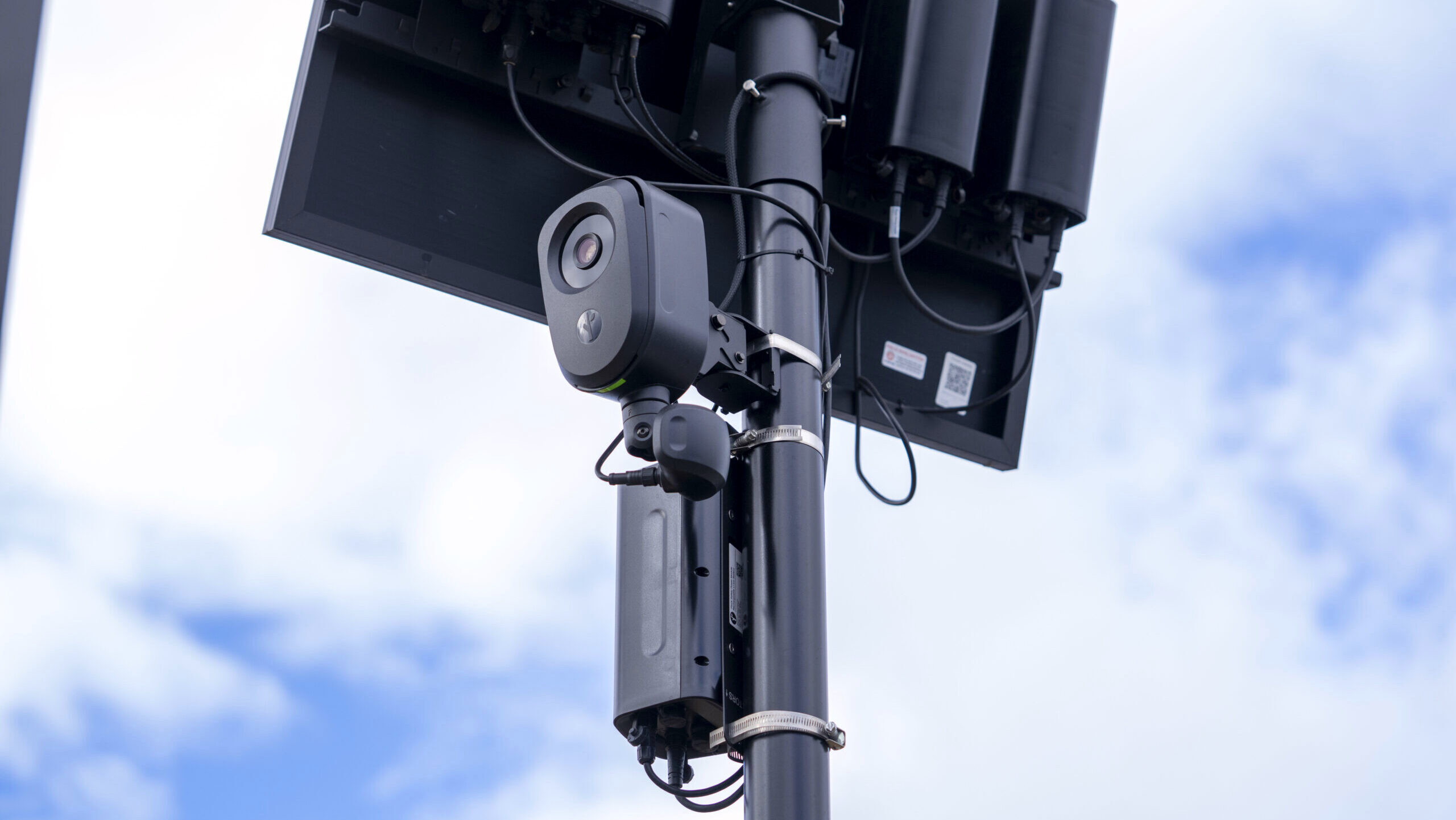
Critics Turn the Lens Back On Flock’s Surveillance Cameras
1 hour ago
 AI News
Minnesota inventor kills weeds without chemicals
1 hour ago
 AI News
Gemini 3.8 Flash Starts Testing Google, Focuses on Coding and Reduces AI Hallucinations
2 hours ago
 AI News
Senior News Tackles ‘Artificial Intelligence’
2 hours ago