
When Tech Companies Die, What Happens To The Products They Leave Behind?
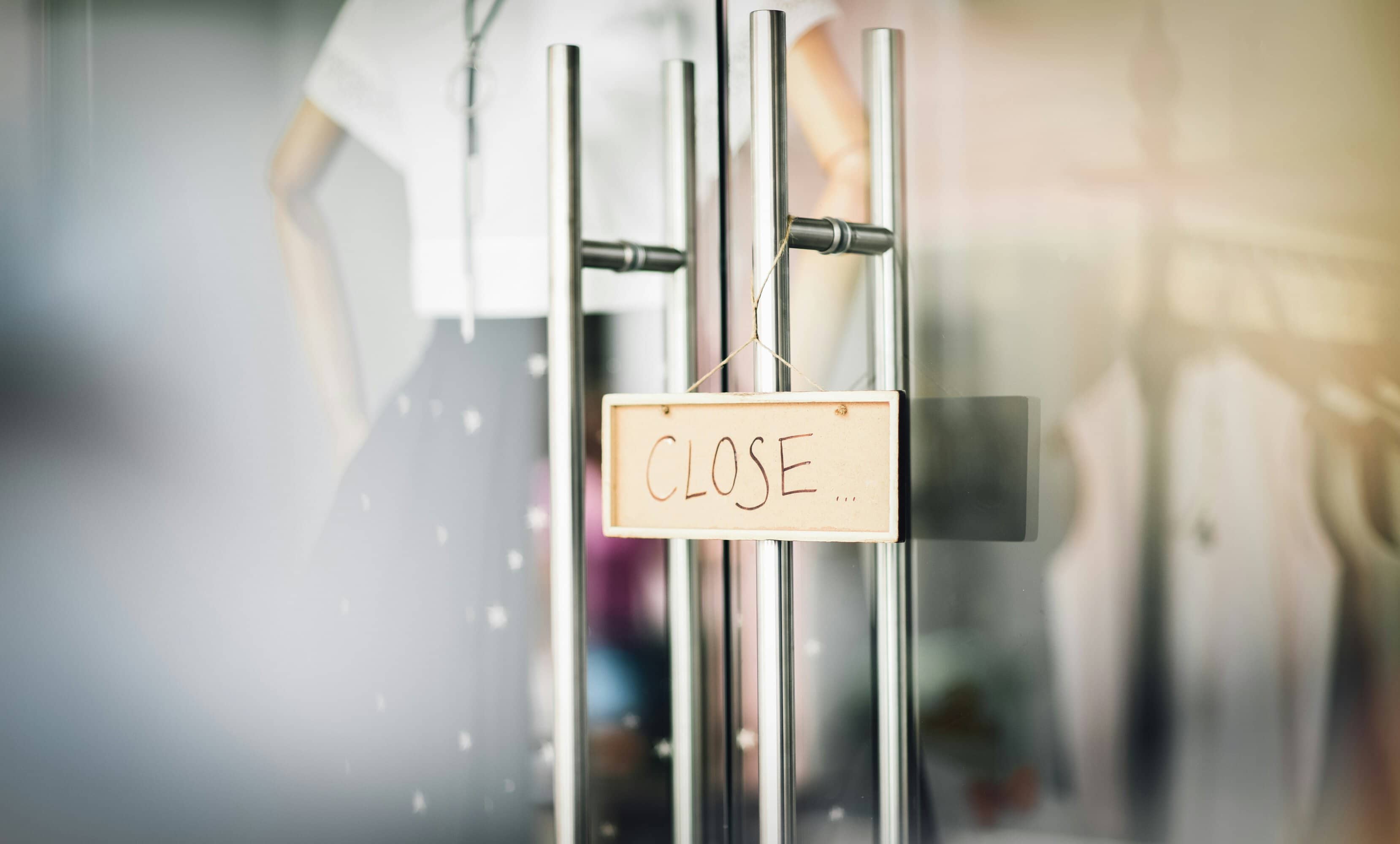
When a tech company shuts down, its products don’t just go down the drain along with it. Of course, that begs the question: what does happen to the products from a company that has ceased to be? Because for customers who have invested in a smart device, an app or a software platform, a company’s closure can turn a useful piece of technology into something far less valuable.
That’s because many of the products we use today depend on more than just the physical hardware or software that we buy. They rely on servers, cloud services, regular updates and infrastructure that’s maintained by the companies behind them. And when that support disappears, the consequences can be surprisingly far-reaching.
For consumers and businesses alike, it’s a reminder that the long-term value of a technology product depends on more than its features.
When the Company Disappears, Does the Product Disappear Too?
Just because a company has closed doesn’t mean that its products are automatically useless, but it can expose just how dependent they are on the business behind them.
Smart home devices are a good example of this. A connected camera might look like a straightforward piece of hardware, but its features could rely on the manufacturer’s servers, cloud storage or mobile app. If those services disappear, the camera might still switch on, but it might lose a whole lot of the functionality that made it worth buying in the first place.
The same applies to software subscriptions, online storage and digital platforms. Even products that seem relatively self-contained can depend on authentication systems, licensing agreements or regular security updates. This creates a potential problem for customers which is that buying a product doesn’t always mean being able to use it indefinitely. Sometimes, what they’re really paying for is access to a service that somebody else has to keep running.
Google Stadia Shows How Digital Products Can Vanish
Google Stadia is a pretty good example of what happens when a tech giant decides a product isn’t worth continuing, for whatever reason. Google announced in September 2022 that it would wind down its cloud gaming service after failing to attract the number of users it expected. The service then closed on 18 January 2023, which ended players’ access to their Stadia game libraries through the platform. Google did offer refunds for eligible hardware purchases, games and add-on content, ultimately recognising that customers had invested money in a service that was going away.
Of course, the technology itself didn’t simply become worthless because of this. Google said that the underlying streaming technology could be used elsewhere in its business and made available to industry partners. Ultimately, the company would be able to proceed while parts of the technology lived on. Customers, on the other hand, couldn’t continue using Stadia as they had before. This is a pretty good example of how a product can be technically impressive and still disappear because the business model behind it just doesn’t work.
Sometimes, the Hardware Survives Its Maker
Of course, the story isn’t always quite so bleak. Some products continue working long after their original manufacturers have gone, particularly when they aren’t completely dependent on cloud infrastructure. For isntance, Pebble, the smartwatch company that shut down in 2016 before its assets were acquired by Fitbit, is a good example. Its watches retained a loyal following, with community efforts helping to preserve functionality after the company disappeared.
In January 2025, Google, which later acquired Fitbit, announced plans to open-source PebbleOS, the software behind the watches. This created new opportunities for developers and enthusiasts to maintain the technology and build on it. Pebble’s story shows that a company’s failure doesn’t have to mean the end of every product it created. A new owner, an open-source community or a group of determined users can sometimes keep technology alive. But unfortunately, not every product has an active community or a buyer that’s willing to take it on.
The Problem with Products That Depend On a Single Company
Consumers might assume that buying a device means that they own it, but the hardware is only part of the situation. Software licences, subscription terms and proprietary systems can limit what customers can do with a product. If the company shuts down, another business might buy its intellectual property and continue the service. Or, its assets could also be sold without anyone taking responsibility for supporting existing customers.
Data adds another complication to the mix. If a cloud service closes, users may need to download their files or transfer their accounts before a deadline. Without a straightforward way to retrieve that information, important files could become inaccessible which may be incredibly problematic for customers.
For startups, the stakes can be even higher. A business that relies on a single software provider for essential operations could find itself scrambling for an alternative if that supplier closes, changes its pricing or discontinues a key feature.
This doesn’t mean businesses should avoid innovative startups, but it does mean vendor reliability, data portability and exit plans deserve a place in purchasing decisions alongside price and functionality.
Making Technology Less Disposable
There are ways to reduce these risks; it just depends on the specific context, the company and the product in question. Products that offer offline functionality, open standards and straightforward data exports are generally less dependent on one company’s continued existence. Repairable hardware and accessible software can also make it easier to extend a product’s life.
Consumers can check whether a connected device needs a cloud service to function, how long it’s expected to receive software updates and whether its core features will remain available if the manufacturer stops operating.
Businesses should apply similar scrutiny to their software providers. Data should be exportable in a usable format, migration options should be clear and contingency plans should account for the possibility that a supplier disappears.
For technology startups, it’s a good idea to bear in mind that building a great product is just one challenge, but creating a sustainable business that can support it over time is another. Companies that want customers to trust them should be transparent about their support policies and what happens if a service is discontinued.
At the end of the day, not every tech company will survive, and not every product can be supported forever. But the industry can do more to help customers understand what they’re buying and what happens when the business behind it is no longer around. As more of our lives and businesses depend on connected technology, the ability to keep products working beyond their original manufacturer’s lifespan could become an increasingly important part of how we judge innovation.
Related Stories
 Technology
Two Finns supplying Russia with missile tech worth tens of millions
30 minutes ago
 Technology
Drones with pepper spray, four
1 hour ago
 Technology
Micron Technology stock pre-market at EUR 800.50: memory storage - ad
2 hours ago
 Technology
TAIEX Ends at 4
2 hours ago
 Technology
ZAWYA: Technology, start-ups can double India
3 hours ago
 Technology
Czech government to consider CZK 1 billion fund for startups
3 hours ago
 Technology
GDIN Supports Eight Startups at CEATEC 2026 in Japan, Opens Door to Local Investor Collaboration
3 hours ago
 Technology
REG - Technology Minerals
3 hours ago