
Why Global Innovators Are Choosing Japan: The Rise of a New Innovation Hub: Expert View by Spherical Insights

Japan is entering an innovation phase as global companies, startups, universities, and investors connect with its advanced manufacturing, AI, semiconductor, robotics, and biotechnology ecosystems. In 2026, government investment, international partnerships, startup programs, and regional innovation clusters are strengthening Japan’s role in global technology collaboration.
Japan’s Innovation Ecosystem Enters a New Global Phase
Japan is entering a new chapter of innovation—one that extends beyond its traditional reputation for automobiles, robotics, electronics, and precision manufacturing. Across the country, established corporations are increasingly connecting with startups, universities, investors, research institutions, and global technology companies to turn advanced research into commercial opportunities. JETRO is supporting this transformation through open-innovation platforms, regional ecosystems, and programs such as the Japan Innovation Bridge (J-Bridge), helping Japanese and international organizations build technology partnerships.
Government policies are further accelerating this shift. Japan’s 2026 Growth Strategy identifies 17 strategic fields, including AI and semiconductors, quantum technology, biotechnology, advanced medicine, digital technologies, food technology, and energy and GX. Japan’s ICT market, valued at approximately USD 364.5 billion in 2025, is projected to reach USD 803.62 billion by 2035, growing at a CAGR of 8.23% during 2026-2035. Rising investment in AI, cloud computing, 5G, digital transformation, and enterprise technologies is strengthening the country’s innovation foundation. Together, these developments are positioning Japan as a more connected global innovation platform, where industrial expertise, research capabilities, startups, and international partnerships are shaping the next generation of technology.
Discover the regional trends and growth factors shaping the industry. We’re here to assist with expert, personalized data.
Call +1 303 800 4326 or Send us a message for a personalized consultation.
Why Global Innovators Are Choosing Japan?
Several factors are contributing to Japan’s growing attractiveness for global innovators.
First, advanced industrial capabilities provide companies with access to highly developed manufacturing, engineering, robotics, materials, and supply-chain expertise.
Second, strong research infrastructure connects universities, laboratories, corporations, and specialized technology clusters.
Third, government-backed investment is supporting strategically important areas such as AI, semiconductors, quantum technology, biotechnology, and advanced manufacturing. METI has stated that Japan intends to encourage capital investment and R&D in these areas to attract greater public and private investment.
Fourth, international collaboration is becoming a central part of the ecosystem. JETRO is actively connecting overseas companies and startups with Japanese corporations and research organizations through platforms such as J-Bridge and regional innovation programs.
Major Developments Driving Japan’s New Innovation Hub in 2026
Japan Makes Strategic Technologies a National Growth Priority
Japan’s 2026 Growth Strategy places technology and competitiveness at the heart of economic development, identifying 17 strategic fields and outlining public-private investment roadmaps. These include AI and semiconductors, quantum technology, biotechnology, aviation and space, digital and cybersecurity, advanced medicine, food technology, fusion energy, advanced materials, and information and communications. The strategy signals Japan’s focus on turning emerging technologies into industrial competitiveness, investment, resilient supply chains, and commercial opportunities.
AI and Semiconductor Investment Is Accelerating
Artificial intelligence and semiconductors are becoming central to Japan’s technology strategy, with METI prioritizing advanced semiconductor investment, including support for Rapidus, while also promoting the development and social implementation of AI-powered robots. Japan is further strengthening international collaboration, with JETRO and RISE-A signing a cooperation agreement in March 2026 to support semiconductor and microelectronics investment and regional ecosystems. This growing ecosystem is creating opportunities across chip manufacturing, equipment, materials, AI development, research, and international investment.
Global Companies Are Expanding Their Japanese Operations
Japan’s innovation ecosystem is attracting foreign companies across technology-intensive industries. Greenfield investment reached a record US$31.6 billion in 2024, while inward FDI stock reached ¥53.3 trillion. Recent investments in AI-driven data centers, automation, and technology operations highlight Japan’s growing role as a hub for **technology development, partnerships, infrastructure, and regional expansion.
U.S. - Japan Innovation Cooperation Is Expanding
In September 2026, JETRO and Purdue University signed an agreement to strengthen Japan-U.S. innovation collaboration across semiconductors, quantum technologies, AI, advanced manufacturing, and life sciences. The partnership aims to connect universities, research institutions, companies, startups, investors, and public organizations, expanding access to global research, talent, technology, industrial capabilities, and commercialization opportunities.
Startup Support Is Becoming More International
Japan’s startup ecosystem is expanding, with JETRO reporting that the number of Japanese companies raising funds increased by more than 1,000 over the past decade, while total funding grew more than fivefold. Its 2026 Global Startup Acceleration Program supports startups across AI, B2B, sustainability, manufacturing, and hard technology. These initiatives are strengthening connections among Japanese startups, global investors, accelerators, technology companies, and entrepreneurs.
What Challenges Are Facing Japan’s Innovation Ecosystem?
Despite its growing appeal, Japan's innovation ecosystem still faces several challenges.
Startup Scaling: JETRO notes that Japan continues to face challenges in creating startups capable of scaling globally, including a relatively small number of unicorns compared with leading startup ecosystems.
International Talent: Emerging technologies require researchers, engineers, entrepreneurs, and executives with international experience. Expanding the participation of highly skilled foreign professionals remains important.
Commercialization Gap: Strong research capabilities do not automatically result in globally successful businesses. Technology transfer, venture funding, market development, and industry partnerships remain necessary.
Regulatory Complexity: Companies working in healthcare, biotechnology, finance, mobility, and other regulated sectors need to navigate sector-specific Japanese regulations.
Global Competition: Japan is competing with the United States, China, Europe, South Korea, Singapore, and other innovation ecosystems for capital, talent, companies, and technology leadership.
Risk Capital: Greater international participation in venture investment is important for creating startups that can grow beyond the Japanese market. JETRO specifically highlights the importance of overseas risk capital, know-how, human resources, and global business practices.
Unlock exclusive market insights. Blog news—Download the Brochure now and dive deeper into the future of the Market
Japan’s manufacturing and engineering base provides a strong platform for applying AI to robotics, factories, logistics, mobility, and infrastructure, supported by policies promoting AI-based robots.
Government initiatives and international partnerships are creating opportunities in semiconductor manufacturing, advanced packaging, materials, equipment, research, and microelectronics.
Japan’s universities, pharmaceutical companies, hospitals, and research clusters support opportunities in drug discovery, medical devices, biotechnology, regenerative medicine, and digital healthcare.
AI, robotics, sensors, automation, digital twins, and advanced materials can strengthen Japan’s manufacturing ecosystem while creating opportunities for global technology suppliers.
Quantum technology is a strategic field under Japan’s 2026 Growth Strategy, supporting opportunities in quantum computing, sensing, communications, and related technologies.
Opportunities Created by Japan’s Innovation Transformation
Japan's evolving innovation ecosystem is creating opportunities in:
Artificial intelligence and AI infrastructure
Semiconductor manufacturing and equipment
Top 5 Companies Driving Japan’s New Innovation Era
Headquarters: Santa Clara, California, USA
NVIDIA is a leading technology company supporting Japan’s expanding AI, robotics, and advanced-computing ecosystem. Its role includes accelerated computing, digital twins, robotics, industrial AI, and intelligent manufacturing. In 2026, NVIDIA advanced initiatives with Japanese robotics and manufacturing leaders to develop physical AI applications. Its partnerships connect AI models with real-world industrial systems, supporting Japan’s growing demand for domestic AI infrastructure and creating opportunities in industrial robots, autonomous systems, digital factories, and AI-enabled infrastructure.
Microsoft is a major international technology company strengthening Japan’s AI and digital innovation ecosystem. Its role includes AI infrastructure, cloud computing, cybersecurity, digital transformation, and workforce development. In April 2026, Microsoft announced plans to invest $10 billion in Japan from 2026 to 2029 and train one million engineers and developers by 2030. These initiatives support Japan’s digital capabilities, while collaboration with local technology companies connects global expertise with the country’s broader innovation and industrial network.
SoftBank is a major participant in Japan’s technology ecosystem through telecommunications, investment, AI, and digital infrastructure. Its role connects global technology development with Japanese businesses and consumers. In 2026, SoftBank Corp. and SB Intuitions adopted NVIDIA’s Nemotron open models to develop AI applications for Japanese users and institutions. These initiatives support localized AI development while connecting telecommunications, computing, investment, and enterprise technology, positioning SoftBank as an important link between Japan’s digital infrastructure and emerging AI applications.
Sony Group represents Japan’s strength across electronics, imaging, sensors, entertainment, gaming, software, and digital technologies. Its bioeconomy and innovation role extends through advanced sensors, imaging, AI, robotics, mobility, healthcare, and digital platforms. In 2026, Sony was among Japanese companies participating in the developing physical-AI ecosystem. Its diversified technology portfolio enables cross-industry applications, demonstrating how Japan’s established corporate capabilities can connect hardware, software, advanced computing, and emerging digital and physical technologies.
Fujitsu is a major Japanese information and communications technology company focused on digital transformation, computing, AI, cybersecurity, and enterprise technologies. Its role supports Japan’s growing investment in AI and digital infrastructure. In 2026, Fujitsu participated in Japan’s broader AI ecosystem through collaborations involving advanced AI and industrial applications. Its established relationships with Japanese organizations connect international technologies with domestic customers, creating opportunities in AI, cloud computing, cybersecurity, data platforms, and advanced computing.
Japan is building a strong innovation ecosystem combining advanced manufacturing, research, startups, infrastructure, and regional clusters. Organizations such as JETRO are strengthening connections between Japanese companies, research institutions, overseas businesses, universities, investors, and startups. AI, semiconductors, robotics, quantum technology, biotechnology, advanced manufacturing, and GX are becoming strategic investment areas. Global innovators can explore joint ventures, research partnerships, startup investment, technology commercialization, regional expansion, and direct investment. Japan’s industrial strengths provide a foundation for applying emerging technologies to practical commercial challenges. Attracting international talent and capital, scaling startups, improving commercialization, and expanding cross-border partnerships will shape Japan’s innovation ecosystem and strengthen its global competitiveness.
Related Stories
 Technology
Marvell Technology lists Investor Day. Marvell Technology stock costs EUR 242.20.
51 minutes ago
 Technology
Huawei Highlights Continuous Innovation, Securing Competitive Edge Through Technological Breakthroughs
1 hour ago
 Technology
Satlyt, founded by a former Google and SpaceX product manager, raises $8M to run AI on satellites
3 hours ago
 Technology
Standard Chartered Foundation Women in Tech Accelerator winners in Nigeria announced
5 hours ago
 Technology
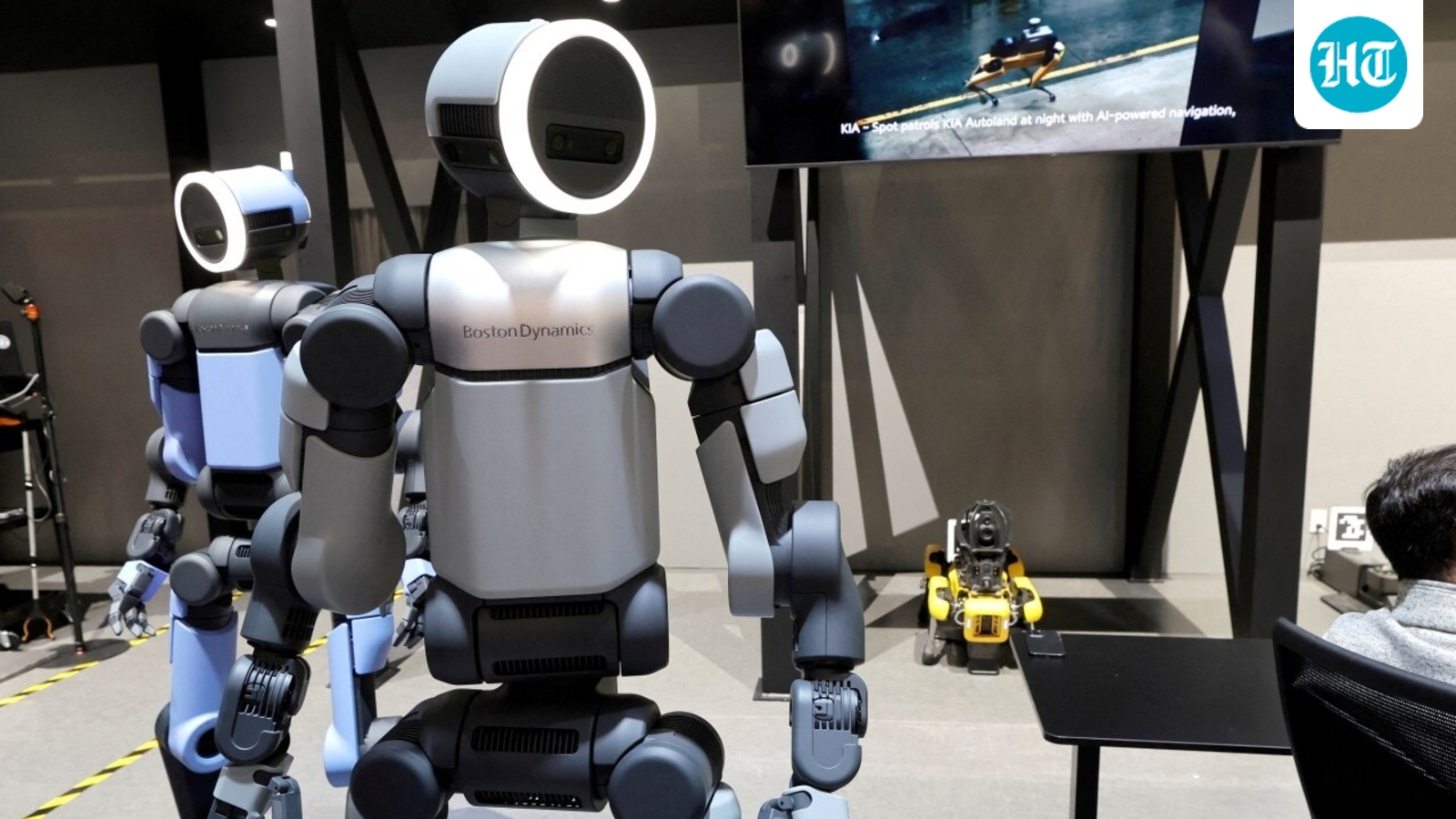
The carmaker vying with Tesla to conquer the robot future | Technology News (HT Tech)
5 hours ago
 Technology
Karnataka’s Innoverse Selects Seven Startups for Deeptech Scale
8 hours ago
 Technology
Oben Electric Tops Electric Bike sales in September | Automotive and Technology
8 hours ago
 Technology
Virginia Tech Hokies vs. Pittsburgh Panthers: News, Updates, and Predictions
9 hours ago