
Why Greeks are going to TikTok for news instead of newspapers or TV

Why Greeks are going to TikTok for news instead of newspapers or TV
July 20, 2026, 4:36 p.m. ET | Athens, Greece
Katerina Spyropoulou follows current affairs and cares deeply about issues such as youth unemployment, social inequality, and the Israeli-Palestinian conflict. But she has never held a newspaper, and doesn’t get her news from television.
“On TV, I know the journalists will add commentary, their opinions, or – even more – the political line of their channels,” says the 20-something Ms. Spyropoulou, whose mother wrote for magazines while her father worked for television and radio. “I don’t want to be exposed to each channel’s political propaganda.”
Instead, she turns to TikTok and Instagram to keep up with events in Greece and the world. Social media is her primary source of information, whether deciding where to go on a Saturday night, whom to vote for, or decoding events in a war zone.
Greeks don’t turn to traditional media for news; they go to TikTok, Instagram, and the like. That puts them at the forefront of how news consumption is trending globally – and makes them a lens onto how the future of news might look.
Her choice reflects more than a generational preference for TikTok. For more than a decade, Greece has ranked among the countries with the lowest level of trust in news, according to Reuters Institute’s annual Digital News Report. So to stay up to date with the world, Greeks rely on the internet – and social media in particular – to stay informed.
It’s a situation that puts Greece at the extremes of global news–consumption behavior. But it also makes the country into an important test case for how media will have to evolve and adapt as the young disengage from the news – and how they might be able to rebuild the trust they have lost over the years.
“More participatory and more emotional”
Just 18% of Greeks said they trust the news in the 2026 edition of the Digital News Report; that’s less than half the global average of 38%, and among the lowest percentages in Europe. In addition, 64% of respondents to the report in Greece said they got their news from social media – far higher than their neighbors. Only 10% said they used print, 15% radio, and 46% TV to stay up to date: all at the bottom of European rankings.
Antonis Kalogeropoulos, the report’s lead researcher in Greece, says the figures reflect a long-term erosion of confidence rather than a sudden collapse.
“A lot of talent has fled Greek journalism during the economic crisis,” he says. “A lot of talented people who would in other circumstances go into journalism wouldn’t do that today because of the really bad salaries and working conditions of journalists. So it’s creating a vicious cycle in trust and quality.”
Years of shrinking advertising revenues have forced publishers to prioritize volume over depth, says Nefeli Agkyridou, head of digital at Star Channel, one of the country’s largest broadcasters. “Quantity lowers quality and drives clickbait topics. Media outlets are trapped in this cycle,” she says.
Furthermore, Greece’s media landscape is dominated by a relatively small circle of influential business owners. Their interests often stretch far beyond journalism into industries such as shipping, construction, energy, and professional sports. Greeks tend to believe their news media are subject to undue political and business influence.
“Greece is a small country where, more or less, everyone knows who owns the media,” says Ms. Agkyridou.
Kostas Sfiktos, who has spent more than three decades studying Greek television audiences for the country’s biggest broadcasters, concurs. In focus groups he conducted, people consistently knew in detail who owned the channels and what other business activities they had.
But he also sees cultural factors at play. “Greek society differs from what we would describe as a ‘Western society,’ and it usually doesn’t keep emotional distance from events,” he says. “Everything is more participatory and more emotional, especially under extreme conditions.”
For Dr. Kalogeropoulos, the solution lies in greater transparency from media outlets to help “avoid cynical reactions” from the public. This includes being more open about how independent the journalists are from ownership, and what editorial guidelines and processes they follow, while also ending practices such as publishing news articles without a byline.
“Our generation takes to the streets”
Without a trusted domestic news outlet, those like Ms. Spyropoulou are left to their own devices to assemble a social media feed that provides a comprehensive view of world events, like the war in Gaza.
“I prefer watching a TikTok video either from an international outlet or from someone currently living in Palestine, and then draw my own conclusions and shape my own personal view,” she says. “I trust international media or personal, lived testimony much more.”
But the value Ms. Spyropoulou places on foreign media hints at the problem with trusting the personal stories offered up by individual social media sources alone. Greeks tend to prefer international outlets because they seem to provide a more evenhanded picture than domestic media. Classically, that balanced picture is built on professional journalistic scrutiny that social media users may not apply to the sources they encounter. Without that scrutiny, the information that users derive from social media could end up biased, whatever their intention.
Her generation’s preference for TikTok, Ms. Spyropoulou says, is also shaped by notions of self-care. Many young people today have been diagnosed with depression and avoid TV, where the vast majority of stories are negative, as a form of self-protection.
“I know that when I open [TikTok], only the things I enjoy and care about will be there,” adds Ms. Spyropoulou. “I don’t follow any influencers fanatically, and I don’t know if I would trust them blindly.”
This personalization is not left solely to the algorithm. Ms. Spyropoulou shuns the TikTok channels of Greek mainstream media and actively blocks creators airing homophobic opinions. She recalls seeing disparaging coverage of a Pride event on TV, whereas TikTok lets her select “don’t show similar posts.”
“Everyone thinks our generation lives in a cloud, but I see that our generation takes to the streets, is socially aware, and wants to change things,” she says.
Similarly, Natalia Anastouli, a 27-year-old English teacher, relies almost exclusively on Instagram for her daily news consumption. Once a day, she explains, she checks the news based on what pops up on her social media feeds. She follows “two alternative news accounts on Instagram” and never visits their websites or looks for additional information because “it’s just easier to watch a quick video with a short caption” when dealing with her busy schedule.
Like Ms. Spyrpoulou, Ms. Anastouli avoids traditional media because it “feels biased, outdated, and out of touch.” Although Instagram accounts can also “have a political angle,” she accepts this because they match her way of thinking and are “modern and relatable.” Only when she wants a deeper understanding does she turn to a “book or historical article that gives proper context.”
“If journalists wanted advice on how to reach people my age, I’d tell them this: Start by sharing good news, too,” she says. “Balance matters. Keep it short ... and make it approachable: simple language, easy to process, and in tune with today’s aesthetics.”
Related Stories
 World
World
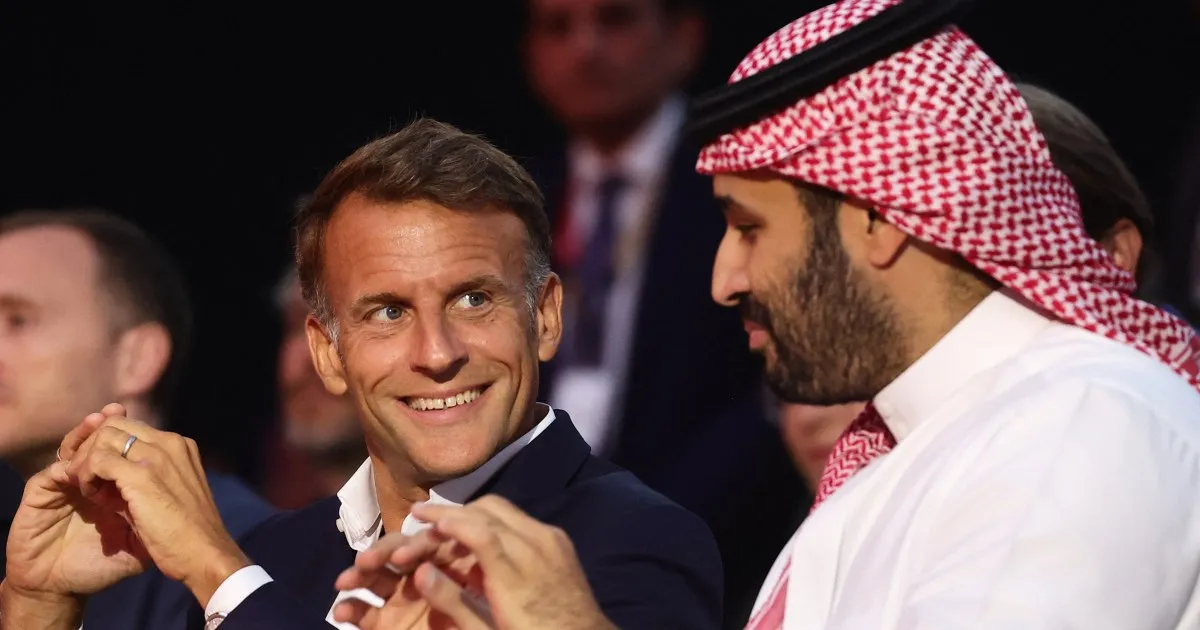
Saudi Arabia’s MBS visits Macron in France: What to expect
2 seconds ago
 World
World
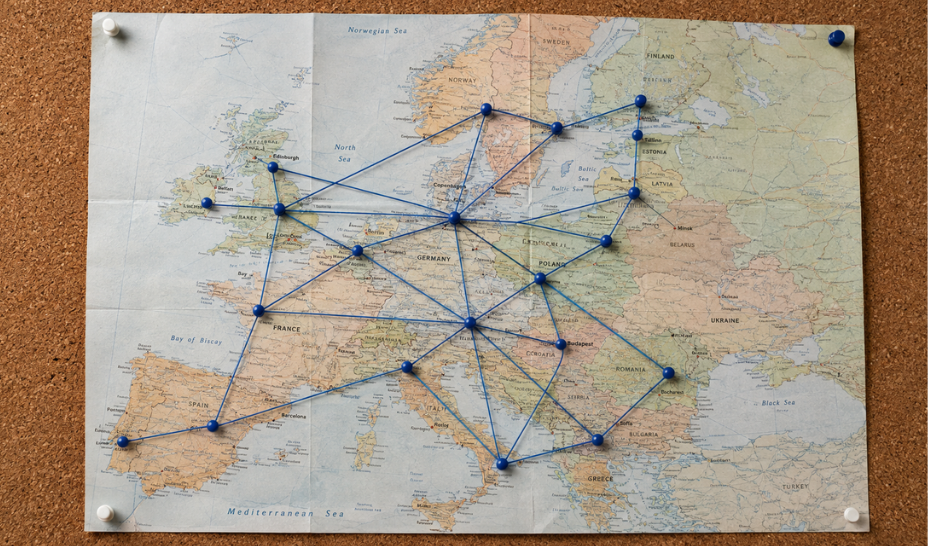
How SMEs can grow internationally without opening local offices
5 minutes ago
 World
World
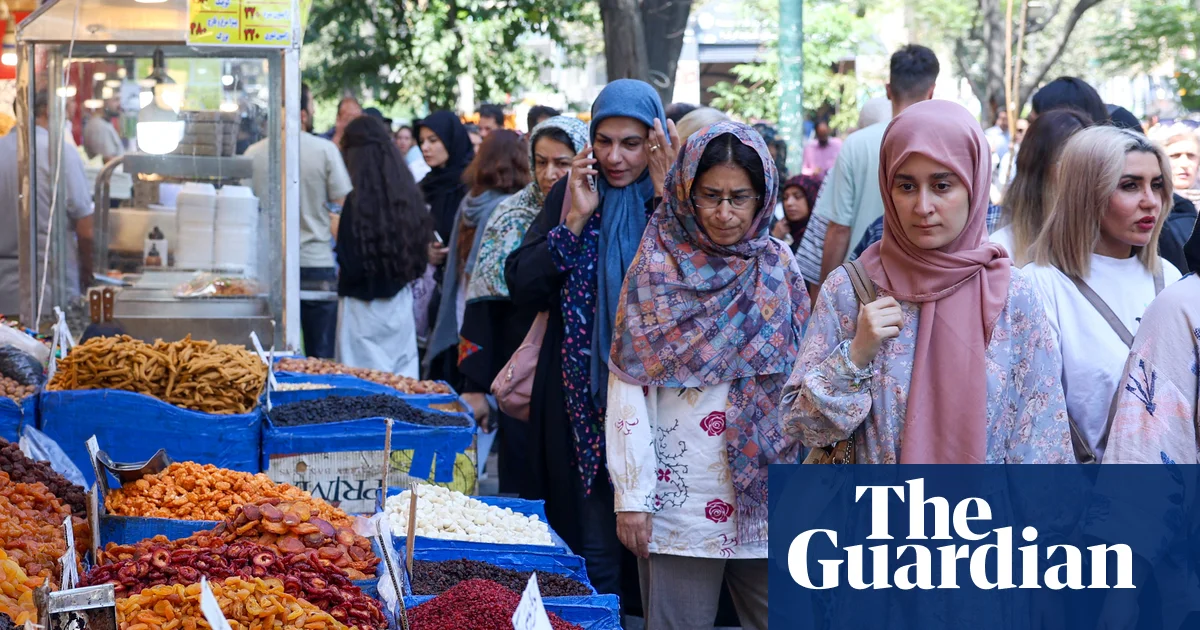
Iran vows to retaliate against countries that cooperate with fresh US sanctions
1 hour ago
 World
World
Opinion: When the world stops trusting us
2 hours ago
 World
World
Japanese lawmakers visit Beijing seeking to mend ties after fallout from Takaichi's Taiwan remark
2 hours ago
 World
World
Thousands endure 12 days without power in Gary, Indiana
3 hours ago
 World
World
Exceptional invitations announced for World Athletics Ultimate Championship
3 hours ago
 World
World
Video. Latest news bulletin | August 24th, 2026
4 hours ago