
With a 'super' El Nino, does that guarantee late
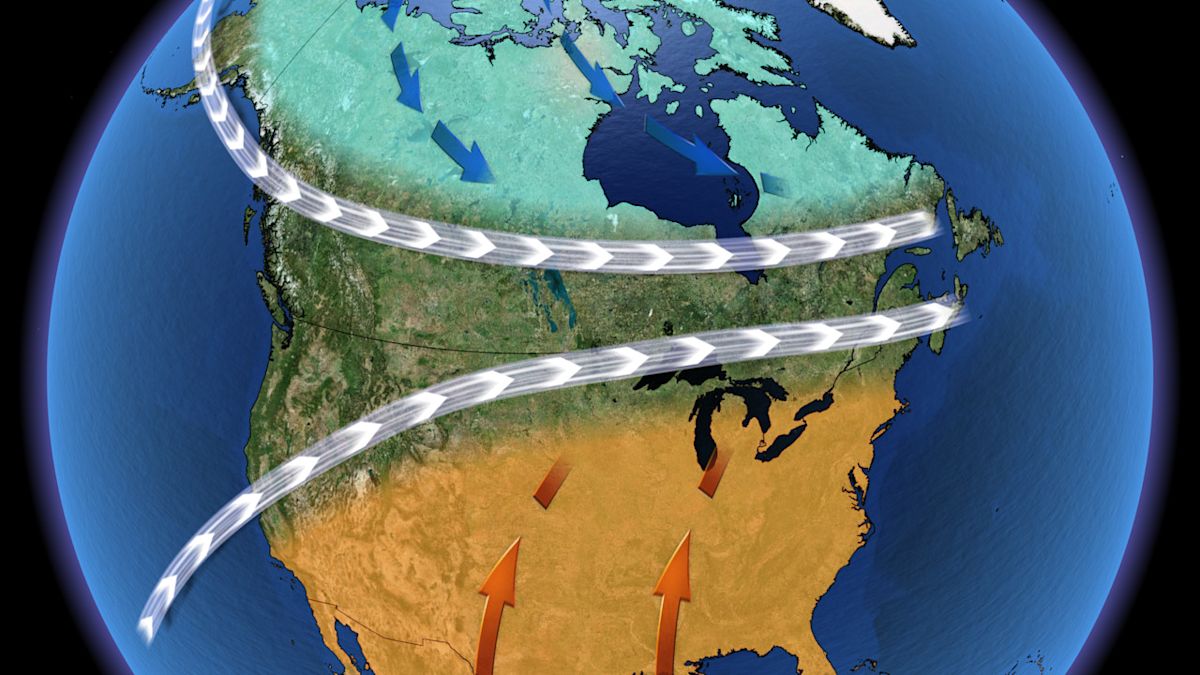
With a confirmed "super" El Niño now underway, many Canadians are hoping that will translate to prolonged warmth deep into fall, and perhaps a more manageable winter ahead.
To answer that, we went to Kevin MacKay, a meteorologist at The Weather Network, to answer the question on the minds of many Canadians for this fall and the upcoming 2026-27 winter season.
Current forecasts suggest this El Niño will reach its peak between late fall and early winter, potentially adding more strength to its already significant impacts.
Q: Does El Niño boost the temperature maximums, or just the mean temperatures?
Looking at the average date for the latest 20-degree day during the past 10 El Niño and La Niña winters, there doesn't appear to be any confidence in 20°C temperatures making a later-than-normal curtain call anywhere in the country during this strong, global climate phenomenon.
Of the six Canadian cities listed, only two of them normally see their last 20°C day later during El Niño than La Niña, and only by a few days at that.
The more reasonable hope is for there to not be an early winter or a hard transition to winter. Brief, yet bold, shots of Arctic air will make appearances in most of the country but the first snow doesn't always mean to put away the shorts.
In 2018, Calgary, Alta., started October with 40 cm of snow in the first few days of the month, only to rebound to 20°C twice, later in the month. In 2008, Timmins, Ont., saw its first snow on Oct. 3, and was 26°C days days later.
Strong El Niño events significantly affect winter weather patterns across North America by altering the orientation and strength of the jet streams.
This change can result in mild Pacific air spreading over much of Canada while a cooler, active pattern remains parked across popular vacation destinations in the southern U.S.
With files from Kevin MacKay, a meteorologist at The Weather Network, and Dennis Mersereau, a digital journalist and weather specialist at The Weather Network.
Related Stories
 Canada
How would a Parti Québécois government deal with Ottawa?
44 minutes ago
 Canada
Stelco’s U.S. owner to face ’fullest extent of the law’ over layoffs: PM Carney
44 minutes ago
 Canada
‘Betrayed’: Stelco layoffs spark clash between Ottawa, company
44 minutes ago
 Canada
CAUGHT ON CAMERA: Choking child saved by NYPD officers
1 hour ago
 Canada
Human rights panel condemns Canada's inaction regarding Indigenous people
1 hour ago
 Canada
‘Welcome back,’ says Macron, as U.K. PM opens door to EU return
2 hours ago
 Canada
Trade Minister Sidhu set to speak with U.S. trade rep at G20 meeting in Wisconsin
2 hours ago
 Canada
Two dead after pedestrians struck at Canada truth and reconciliation event
2 hours ago