
World Cup watch parties expected to spike electricity use at home: BC Hydro
World Cup watch parties expected to spike electricity use at home: BC Hydro
Published 10:32 am Wednesday, June 10, 2026
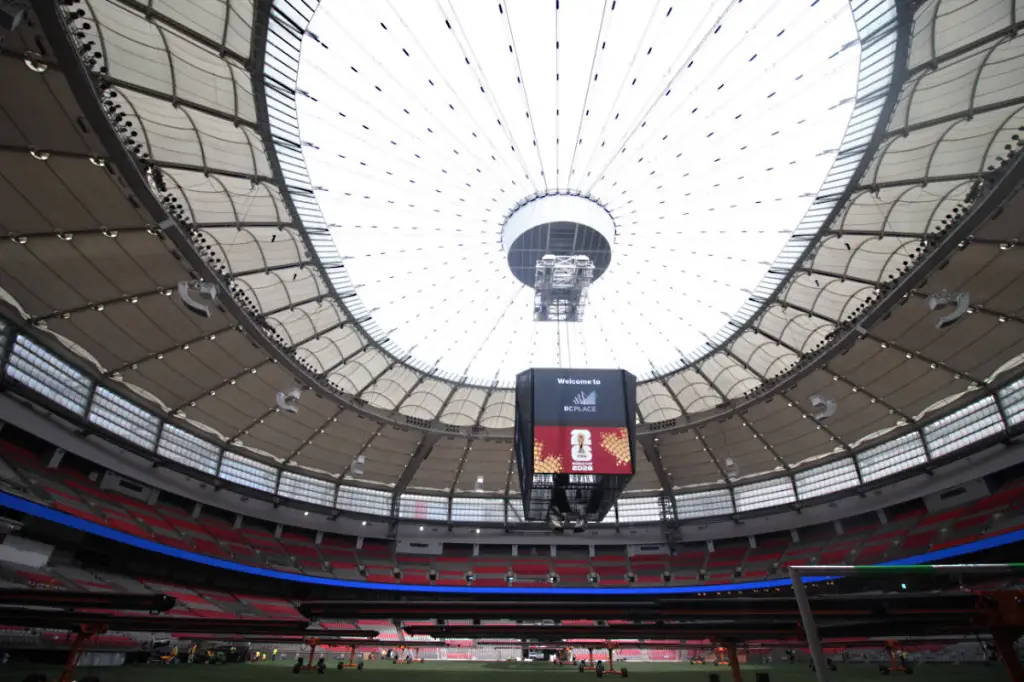
BC Place was open to media Tuesday, May 12 for a tour and update on upgrades ahead of the World Cup kickoff in June. BC Hydro is expecting a surge in electricity use for watch parties during the FIFA World Cup. (Lauren Collins/Black Press Media)
World Cup watch parties are expected to lead to a spike in home electricity use, a new BC Hydro survey found.
The FIFA World Cup, which kicks off Thursday (June 11), is set to become one of B.C.’s biggest at-home viewing events, BC Hydro said in a news release Wednesday. It will be second only to NHL playoffs, with nearly two-thirds of residents planning to host or attend a watch party.
BC Hydro says the surge in electricity is being fuelled by younger adults, with 73 per cent of Gen Z and 68 per cent of Millennials planning to host or attend a watch party. The survey found that the parties tend to be “energy-intensive, with multiple screens, streaming devices and cooking appliances running at once to create a full game-day experience.”
The survey also found that nearly four-in-five plan to use cooking appliances such as ovens or stoves, while 45 per cent will use sound systems. Forty-three per cent will be using streaming devices or gaming consoles.
Overall, 15 per cent of survey respondents expect their electricity use to increase during the games, but 40 per cent of those who will host a watch party are expecting higher electricity use.
BC Hydro spokesperson Susie Rieder said that while much of the World Cup action will happen at BC Place, “the impact will be felt beyond the stadium.”
“Major events at BC Place can use as much energy as powering about 1,000 homes, but increasingly we’re seeing that demand shift into neighbourhoods as more people host and watch from home.”
Related Stories
 World
World
Who is Karl Bushby and why is he walking around the world?
4 hours ago
 World
World
World Cup 2026: Why late goals are becoming more common than ever
4 hours ago
 World
World
The 10 Best Watches at the World Cup (So Far)
4 hours ago
 World
World
'Light in the darkness': The journey of Noa Argamani
4 hours ago
 World
World
Labubu is bound for the big screen, as Pop Mart aims to capitalize on toy's global success
4 hours ago
 World
World
Biotech news from around the world
3 days ago
 World
World
Europe Today: Inside the G7 Summit in Évian
3 days ago
 World
World
Lionel Messi's hat trick leads Argentina to a 3
3 days ago