
Worldwide transition to AI: Italian evangelicals aim to “develop keys for Christian interpretation”
Evangelical Christians cannot remain on the sidelines of the historic transition brought about by the rapid adoption of Artificial Intelligence (AI) across all areas of society.
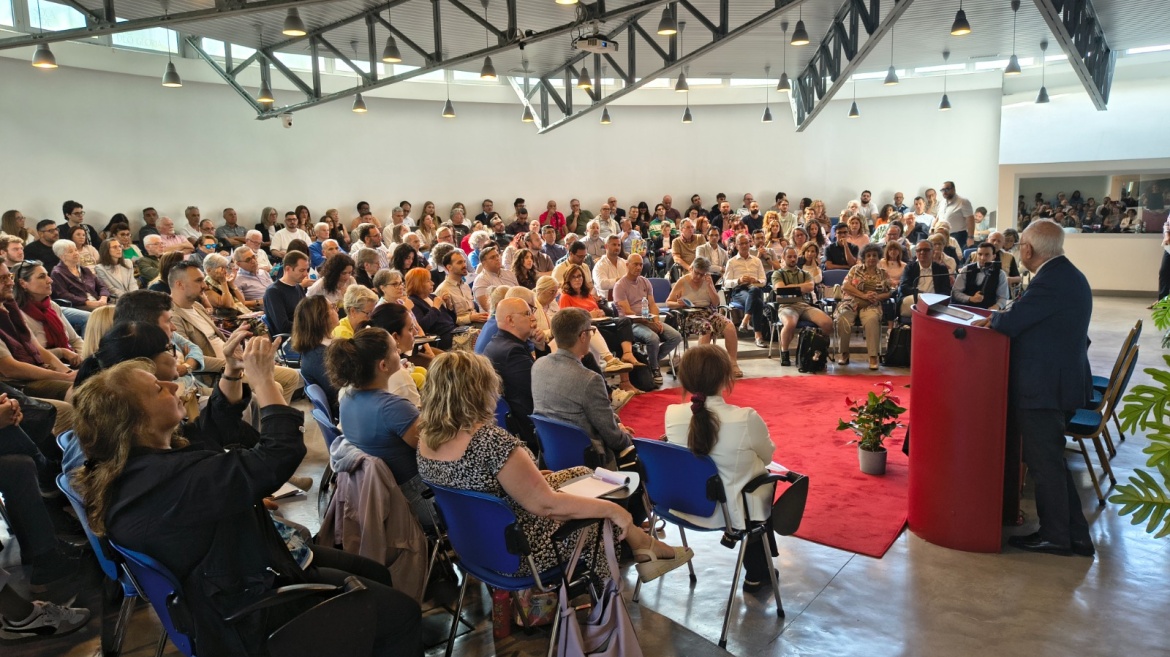
This was one of the underlying ideas at the 38th Giornate Teologiche in Padua (north-west Italy) on 11 and 12 September 2026. The event, a traditional start to the academic year, brings together dozens of people from across Italy, organised by the IFED (Institute for Evangelical Training and Documentation).
All Evangelical Focus news and opinion, on your WhatsApp
For the organisers, there is no avoiding the “effort to understand and develop keys to interpretation and action inspired by the Christian worldview”.
Derek Schuurman: technology, too, is “fallen”
Derek Schuurman, Professor of Computer Science at Calvin University (Grand Rapids, USA), was the keynote speaker and invited listeners to frame the transition towards AI within the framework of “creation–fall–redemption–new creation”. AI is not alien to God’s sovereignty, he said, and does not arise outside the potentialities present in creation, he said, according to IdeaItalia.
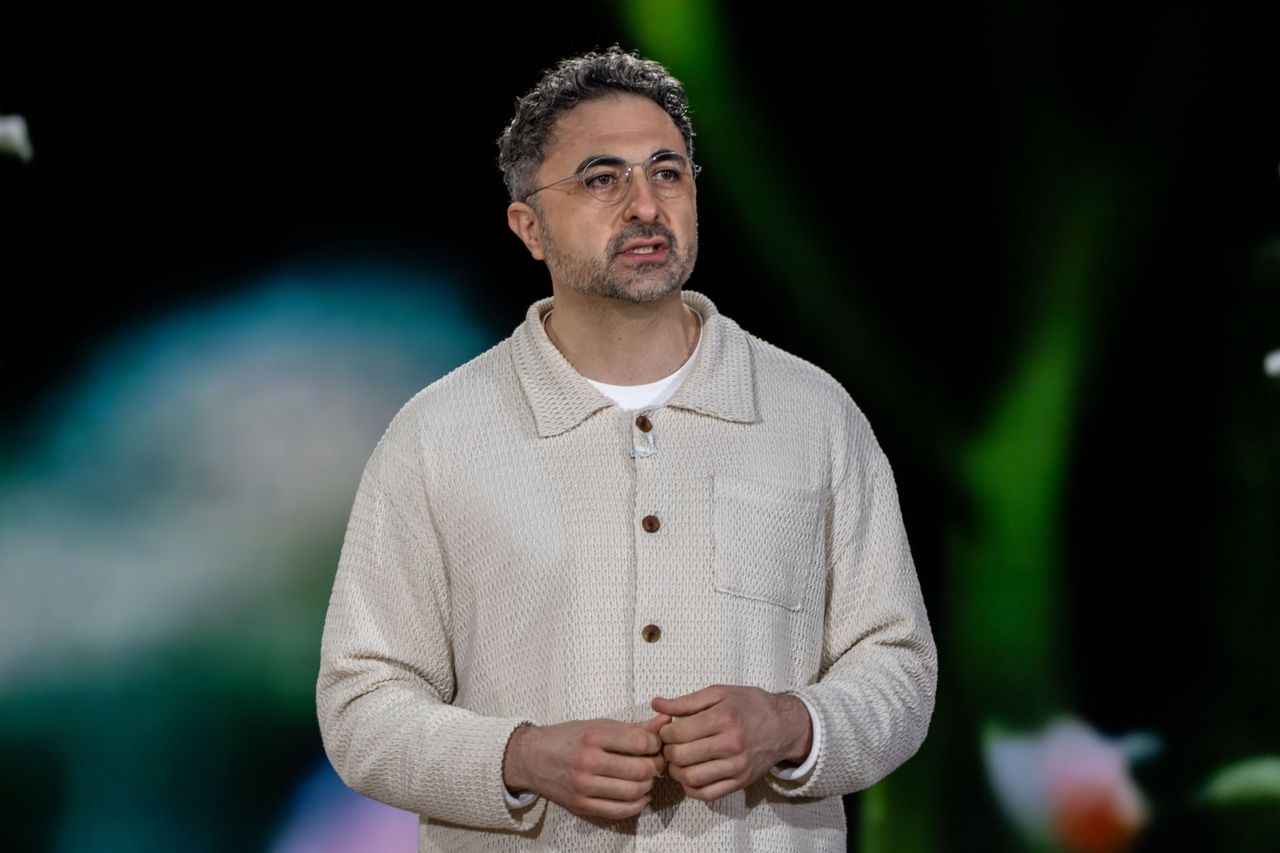
Derek Schuurman, Professor of Computer Science at Calvin University, speaking at the IFED conference 2026. / Photo: IFED Italia.
The driving forces behind Artificial Intelligence and the technology itself are subject to the Fall, which explains the “enormous challenges and dangers to which humanity seems to be subjected through its misuse”.
Despite this, the redemption brought by Jesus Christ allows us to “reconcile” technology as well, valuing its fruits and acting responsibly with a view to the glory of God and the fully redeemed new creation.
AI from a pastoral and ethical responsibility perspective
The two-day gathering, held at the IFED headquarters just outside the city, addressed pastoral and missionary challenges in tackling the current technological transition (Giuseppe Rizza).
There was also a session on the problem of the new, increasingly subtle forms of idolatry and dependence posed by AI (Nazzareno Ulfo); the responsibility of navigating the boundary between human intelligence and so-called artificial intelligence (Stefano Recanatesi); as well as the ethical issues concerning authority, transparency and human dignity raised by AI (Alessandro Piccirillo).
Giuseppe Rizza in one of the sessions of the IFED conference 2026 on IA and Christian faith. / Photo: IFED Italia.
Discussions with Professor Alessandro Sperduti (University of Padua) and Ilenya Gross (of the Waldensian Church) provided an opportunity for dialogue with other stakeholders from the secular and religious spheres in the development of an ethical framework regarding the development, use and management of AI.
A final document on Christian faith and AI
Professor Pietro Bolognesi’s biblical reflection on Psalm 111 highlighted the crucial role of the “fear of the Lord” in connecting with, discerning and validating the contribution of AI.
The conference concluded with the presentation of a final document drawn up by IFED, which will shortly be available on its website (in Italian). The declaration addresses the issue by “rejecting both catastrophism and simplistic enthusiasm”.
Related Stories
 AI News
How New York Can Influence the Future of Artificial Intelligence
8 minutes ago
 AI News
The U.S.
8 minutes ago
 AI News
Could AI pose a serious threat to our existence? | Letters
8 minutes ago
 AI News
ARTPRICE NEWS: A WORLD
8 minutes ago
 AI News
Artificial Intelligence in the Workplace: The Evolving Legal Landscape for New Jersey Employers
1 hour ago
 AI News
Microsoft director called AI scraping ‘the largest theft of labor in human history,’ while OpenAI head brands ChatGPT an ‘existential threat’ to publishers
2 hours ago
 AI News
Migrating multi
2 hours ago
 AI News
Microsoft AI Chief Warns Giving Artificial Intelligence Sense Of ‘Rights’ Could Make It Harder To Shut Down
2 hours ago