
A Resignation That Could Redefine Indian Politics
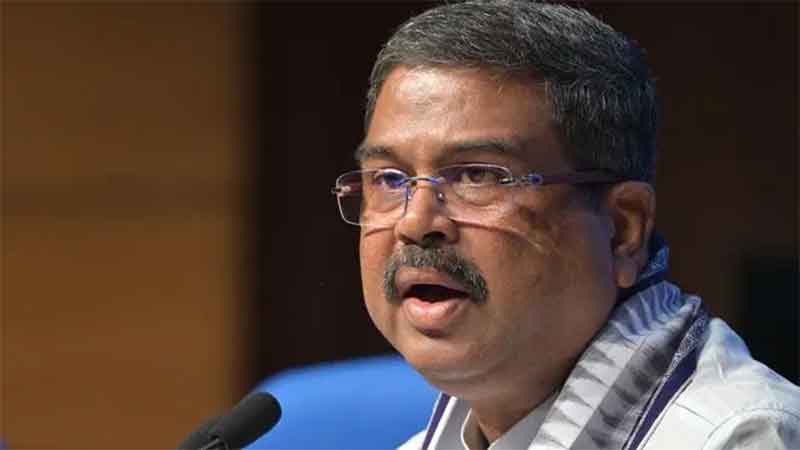
For over a decade, Prime Minister Narendra Modi cultivated an image unlike any other Indian leader decisive, unyielding, and politically invincible. Critics accused him of being uncompromising, while supporters celebrated his strong leadership. Yet, politics often reminds even the most powerful leaders that public sentiment can rewrite the script.
The resignation of Union Education Minister Dharmendra Pradhan on July 25, 2025, following weeks of nationwide student protests over leaked entrance examinations, may prove to be one of the defining political moments of Modi’s tenure.
What began as outrage over examination leaks soon transformed into a broader movement demanding educational reforms, employment opportunities, institutional accountability, and governmental transparency. For many observers, this was no longer merely a protest against one minister—it became a referendum on governance itself.
As per the senior journalist and political biographer Nilanjan Mukhopadhyay the episode represents the biggest political setback of Narendra Modi’s career, arguing that for the first time, the Prime Minister was compelled to concede to sustained public pressure. It is interesting to see how a student uprising shattered the aura of invincibility as portrayed by the Modi Government since past 12 years.
When a Student Protest Became a National Movement
The protests initially erupted over repeated allegations of irregularities and leaks in competitive entrance examinations, frustrating millions of students who viewed the examinations as their only pathway to higher education and stable employment. However, the demonstrations rapidly evolved beyond examination reforms.
Across multiple cities, students voiced concerns over:
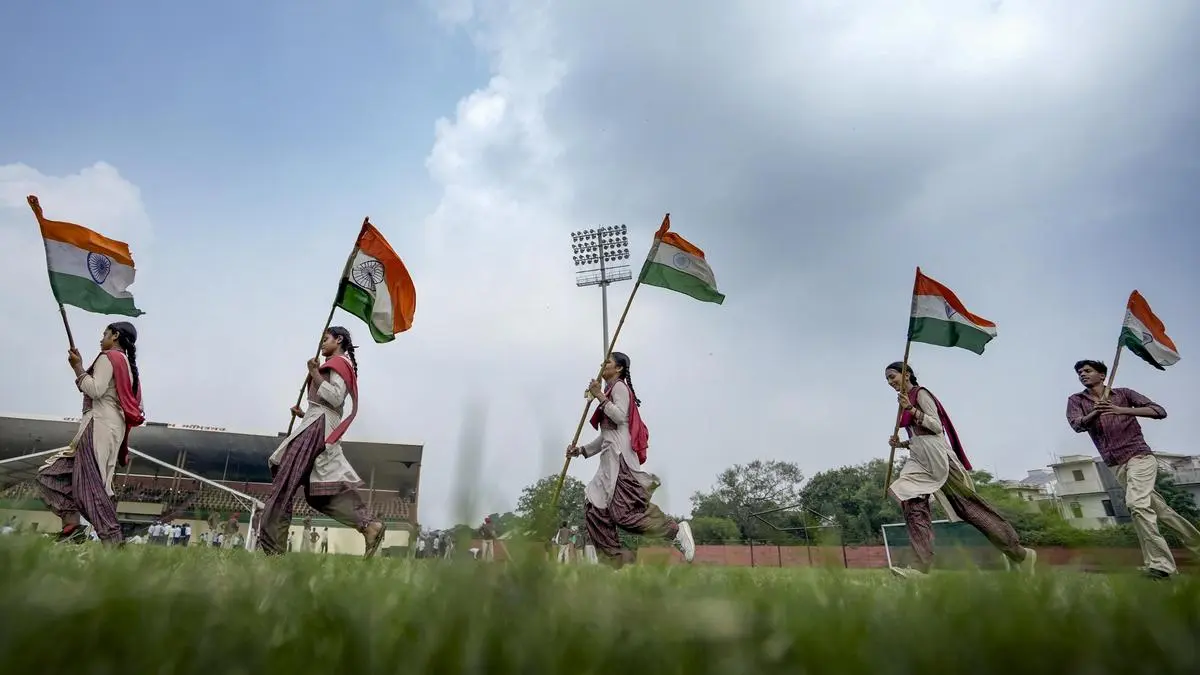
The movement became particularly significant because it was largely led by Generation Z, many of whom entered adulthood under the Modi government and had not witnessed India’s political landscape before 2014.
Unlike previous protests driven by traditional political organizations, this movement was fuelled largely by young citizens connected through social media and united by shared frustrations.
According to Nilanjan Mukhopadhyay, what makes this resignation historically significant is not merely the departure of an education minister. It is the fact that Narendra Modi accepted a demand that had emerged directly from sustained public agitation.
Throughout his political career, Modi has built his leadership around projecting unwavering confidence. Mukhopadhyay argues that:
“He has never made comedowns. He has never stepped backward. He has never bowed before public opinion.”
That image has now been challenged. The resignation sends a political message that many believed impossible until now: Even Narendra Modi can be forced to retreat under sustained democratic pressure.
Not Modi’s First Retreat But Perhaps His Most Personal One
The Modi government has reversed controversial decisions before. Notable examples include:
· 2015: Land Acquisition Ordinance: After widespread opposition from farmers and civil society, the government allowed the controversial ordinance to lapse.
· 2021: Farm Laws Repeal”: Following nearly a year of nationwide farmer protests, the government repealed the three farm laws.
· Women’s Reservation Bill Controversy: The Lok Sabha also witnessed the defeat of a constitutional amendment linking women’s reservation to future delimitation exercises.
Yet experts believe that the Education Minister’s resignation is fundamentally different. Earlier reversals were framed as policy corrections. This time, a minister resigned because protesters refused to back down. That distinction matters politically.
A Crack in the Aura of Invincibility
Political leadership often depends as much on perception as on power. For over a decade, Modi’s greatest political asset has arguably been the perception that he never bends. That perception has now suffered visible damage. Mukhopadhyay argues that the Prime Minister’s image has taken “a huge beating.” Recovering from such setbacks requires rebuilding public confidence—something considerably more difficult than winning elections. The resignation establishes an important democratic precedent: Governments, regardless of their parliamentary majority, remain accountable to public opinion.
The Silence That Raised More Questions
One of the most striking aspects of the protests was not merely who participated. It was who remained silent.
Mukhopadhyay highlights the complete absence of public intervention by the Akhil Bharatiya Vidyarthi Parishad (ABVP)—India’s largest student organization and the student wing associated with the RSS.
Despite weeks of nationwide demonstrations involving students, there was virtually no visible response from the organization. For political observers, that silence became almost as significant as the protests themselves.
It suggested discomfort within sections of the broader ideological ecosystem that has traditionally supported the BJP.
Initially, the government attempted to contain the crisis through administrative measures. These reportedly included:
However, these initiatives failed to satisfy protesters. The central demand remained unchanged:
Dharmendra Pradhan’s resignation. When public pressure continued to intensify, the government ultimately conceded. Mukhopadhyay believes there was simply no viable political alternative left.
A Victory Beyond One Resignation
Although the resignation dominated headlines, the movement had grown into something much larger. Students repeatedly emphasized that their struggle extended beyond one individual. Their demands included:
· Employment Generation: Millions of graduates continue to face uncertainty despite increasing educational qualifications.
· Educational Reform: Students demanded credible examination systems free from repeated leaks and irregularities.
· Institutional Accountability: Calls intensified for greater transparency and responsibility across educational institutions.
· Governance Reforms: The protests questioned broader administrative functioning rather than isolated failures.
In many ways, the resignation became symbolic rather than final.
Gen Z: The BJP’s Emerging Electoral Challenge
Perhaps the greatest long-term political consequence lies in changing voter behavior. Experts like Mukhopadhyay argue that the BJP’s traditional strategies may no longer resonate as effectively with first-time voters. Today’s youth are increasingly prioritizing:
Identity politics alone may not be sufficient to retain this demographic. If this trend continues, India’s electoral landscape could undergo significant transformation over the coming years.
The Road to Uttar Pradesh and Beyond
The political implications extend well beyond New Delhi. Upcoming elections in Uttar Pradesh, India’s most politically significant state, could become an important test of whether the student movement has altered voter sentiment.
Mukhopadhyay also points to lingering controversies including allegations surrounding Ram Temple donation irregularities as issues that may continue influencing public discourse within the state.
He further identifies Uttarakhand as another region where anti-incumbency could become increasingly visible.
With the Education Minister’s resignation accepted, many expect protest sites to gradually empty once remaining assurances are formally implemented.
Yet ending demonstrations does not necessarily end public dissatisfaction.
Many of the underlying concerns—employment, education quality, and governance—remain unresolved.
A Turning Point in Modi’s Political Journey
Every long political career eventually encounters defining moments. For Jawaharlal Nehru, it was the 1962 war. For Indira Gandhi the Emergency, For Atal Bihari Vajpayee, the 2004 election defeat. For Narendra Modi, the resignation of his Education Minister amid a nationwide youth uprising may become one such watershed. Whether history ultimately remembers this episode as a temporary setback or the beginning of a broader political shift remains uncertain.
But one conclusion increasingly resonates across political circles: This was not simply the resignation of a cabinet minister. It was the first time millions of young Indians demonstrated that even a leader widely perceived as politically invincible could be compelled to respond to sustained democratic pressure.
If that perception endures, the events of July 2025 may be remembered as the moment when Narendra Modi’s aura of invincibility began to crack—and perhaps, as Nilanjan Mukhopadhyay contends, the biggest political setback of his career.
Get the latest CounterCurrents updates delivered straight to your inbox.
Mohd Ziyauallah Khan is a freelance content writer & editor based in Nagpur. He is also an activist and social entrepreneur, cofounder of the group TruthScape, a team of digital activists fighting disinformation on social media.
Related Stories
 India
India
Charanjit Singh Channi’s academic pursuit: A new model in indian politics
43 minutes ago
 India
India
India’s Cockroach Movement: The New Politics of Generational Rage
4 hours ago
 India
India
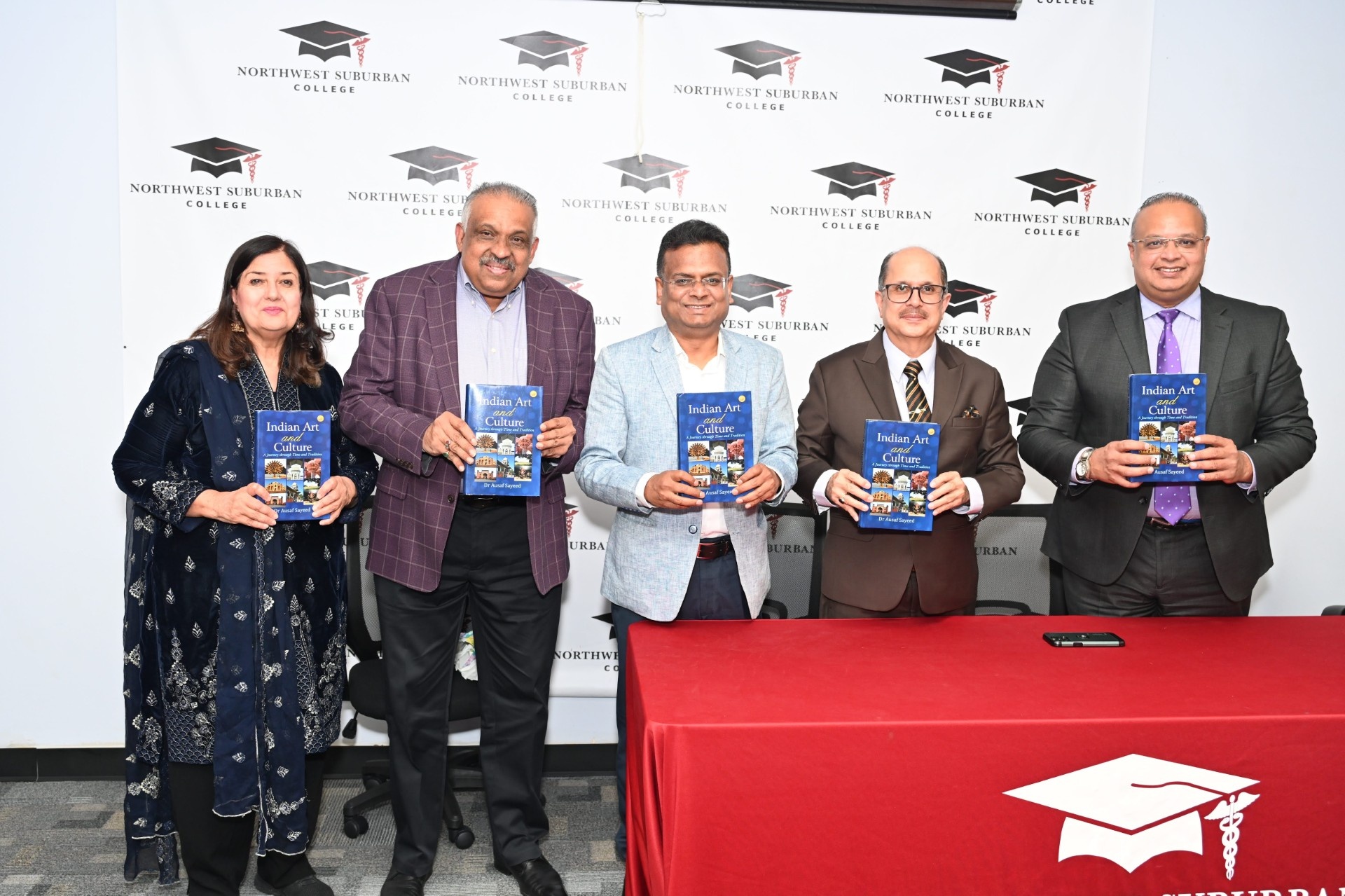
Ambassador Ausaf Sayeed’s Book on Indian Art and Culture Launched in Chicago
6 hours ago
 India
India
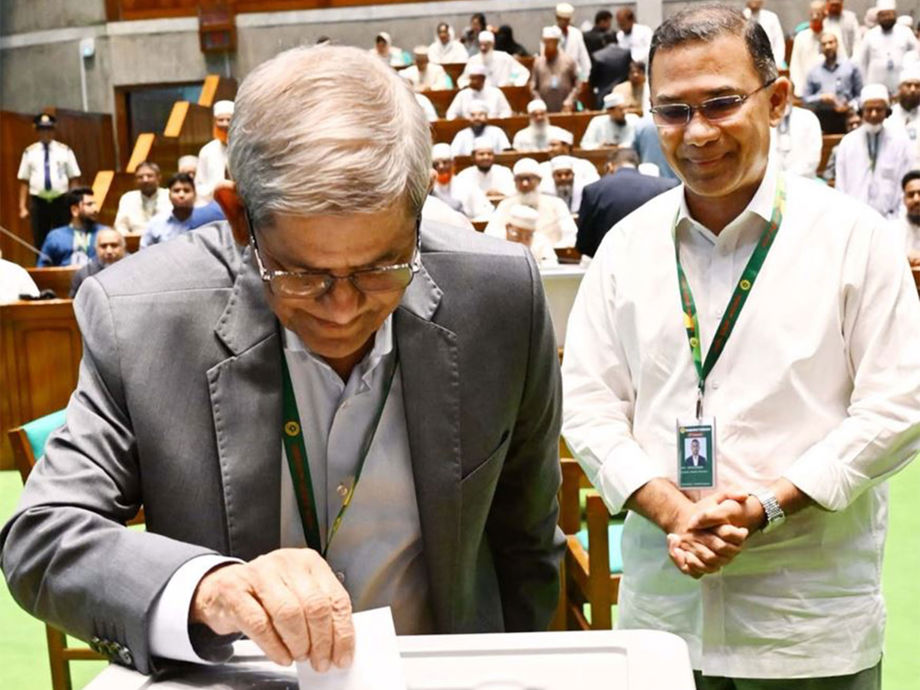
Bangladesh PM's Diplomatic Trip to India: A New Era in Bilateral Relations
16 hours ago
 India
India
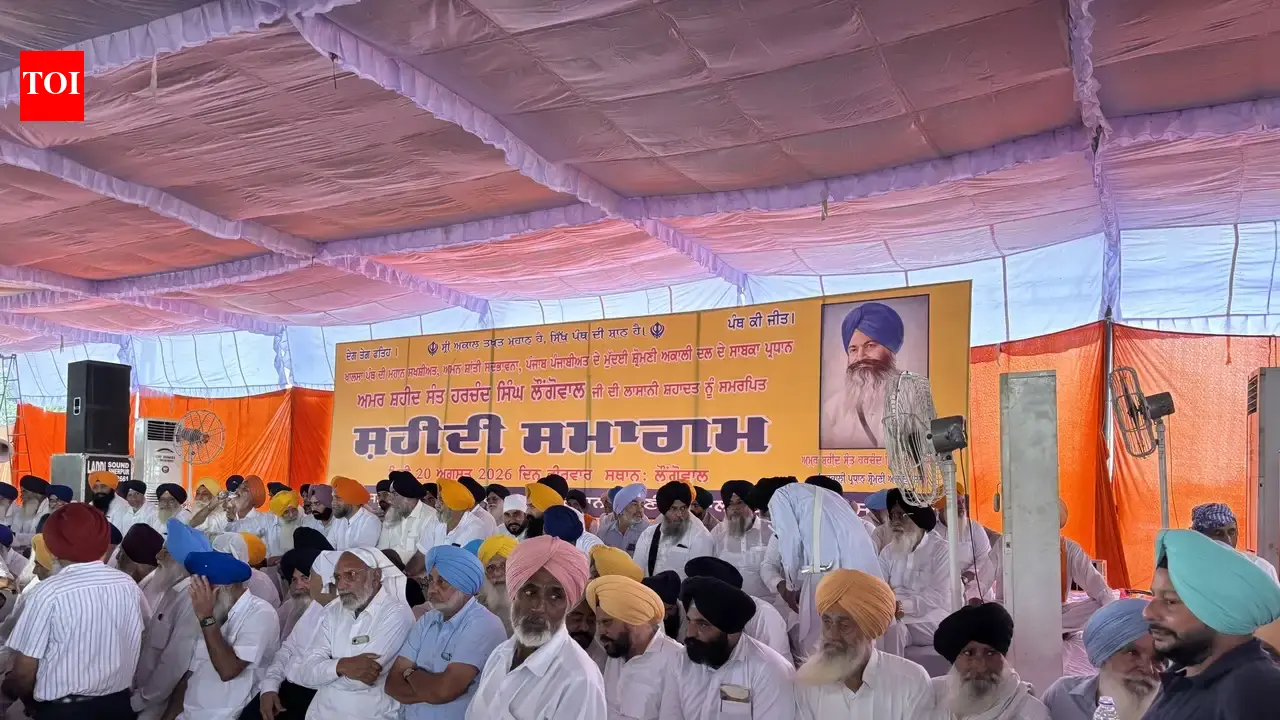
‘Punjab needs politics of principles, not power’: Giani Harpreet Singh
17 hours ago
 India
India
Strained Ties: Bangladesh's Tarique Rahman Awaits India Decision
17 hours ago
 India
India
Youth Protests Signals a New Politics in India
17 hours ago
 India
India
Will Harry's return heal deep
18 hours ago