
AI companies are asking their employees to flag AI writing
For the past three years, the em dash has been a popular tell for identifying AI writing. Now, AI startups want their employees to self-disclose.
On Monday, Varun Anand, the cofounder of AI sales and marketing startup Clay, shared his company's recently rolled-out AI writing policy in an X post.
The guidelines, which were shared on LinkedIn last month, do not ban employees from using chatbots to brainstorm and draft their writing, but ask them to take responsibility for everything they share with colleagues.
"It is your responsibility to make sure that the entire document is representative of your own thoughts before you share it," the document read. "If a reviewer asks, 'What did you mean by this line?', it's not acceptable to reply with 'Oh sorry, AI wrote that, just ignore it.'"
Anand wrote that the policy began with Clay’s engineering team before spreading companywide. It argues that writing is itself a form of thinking and that sending a long AI-generated document after typing a short prompt offloads the work of making sense of it onto those who have to read it.
Following Anand's post, other tech leaders responded with their own versions of how employees are being asked to flag AI writing.
Figma CEO Dylan Field wrote in an X post that his company has a straightforward approach. The design software company’s policy requires workers who use AI in their writing process to add “written with AI” at the top.
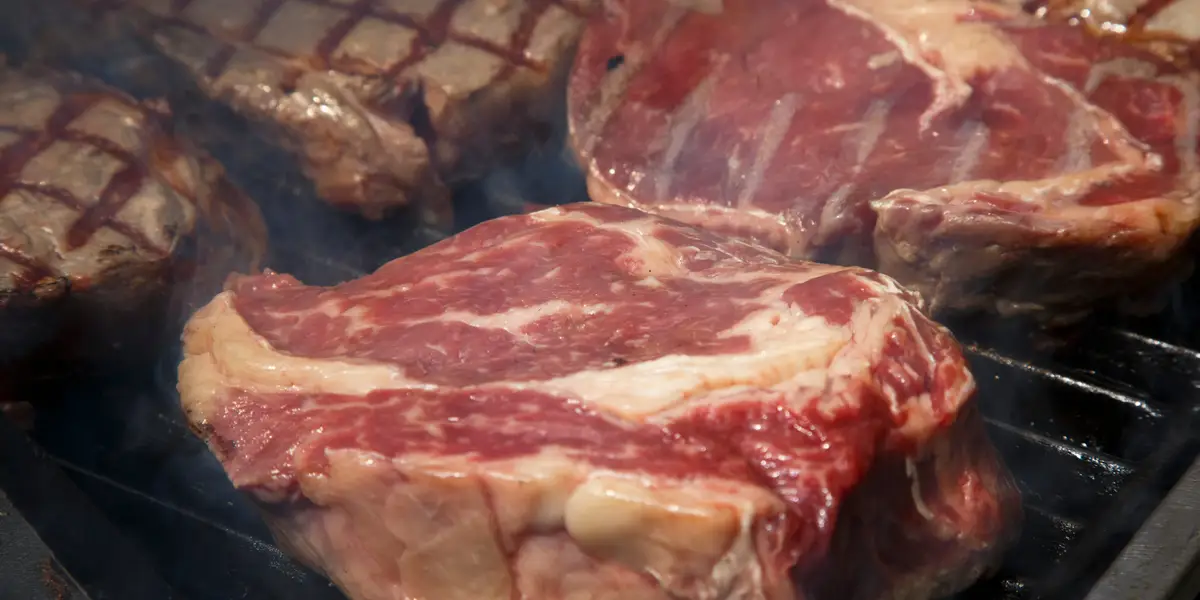
Bobby Ghoshal, the founder of AI shopping startup Dupe.com, wrote that the company’s policy is to add a steak emoji when workers paste AI-written copy. The symbol is meant to show that the employee is acting as a “meat proxy” for machine-generated words, he wrote in his post on X on Monday.
“Varun is touching on a live wire inside every company right now,” Ghoshal said, referring to Anand's post.
Take a smarter break in your day - and see how far you get.
Add BI in Google so our reporting is easier to find when you’re searching for what matters.
In a reply, an employee of AI research lab Exa said that AI writing at the company is banned.
"No external comms (tweets/linkedIn post/and more) can be AI written, and everything needs to be hand written," Ishan Goswami wrote. "If you don't take the time to write it, why should anyone take the time to read it."
The companies are responding to a complaint that is becoming increasingly common in workplaces: AI is making it effortless to produce text, but employees are spending more time deciphering it.
While the Clay AI policy prompted a conversation about how AI writing is being flagged within companies, broader efforts to disclose AI-generated content began earlier this summer.
In August, Anthropic began embedding an imperceptible watermark in text generated by its new Claude models, after signing on to the EU AI Act’s transparency code. The watermark doesn't change the text's meaning or readability, but it travels with the text when copied and pasted and "may persist through some editing," the AI lab said.
AI companies had already established AI disclosures for more visibly risky media. Google’s SynthID can embed invisible watermarks in AI-generated images, video, audio, and text. OpenAI has added Content Credentials to images from DALL-E 3, ImageGen, and Sora, and this year began adding SynthID watermarks to supported images and audio generated through its tools.
Related Stories
 AI News
South Korea’s top portals Naver, Daum to block foreign AI crawlers to protect local
19 minutes ago
 AI News
Anthropic launches Claude Sonnet 5.5
19 minutes ago
 AI News
OpenAI scraps release of latest AI model over safety concerns
50 minutes ago
 AI News
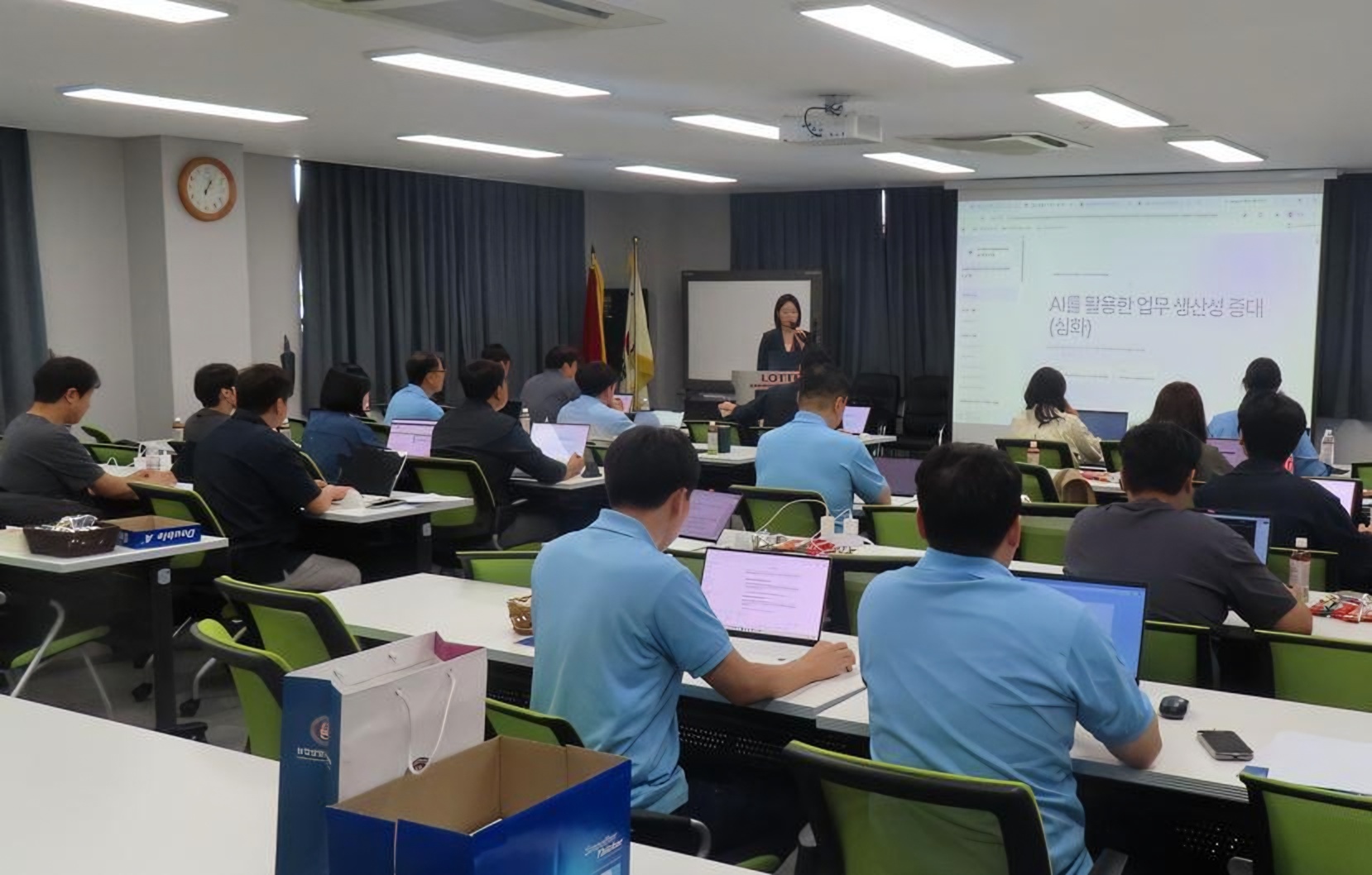
Jeonbuk National University offers AI training for Lotte Energy Materials employees
1 hour ago
 AI News
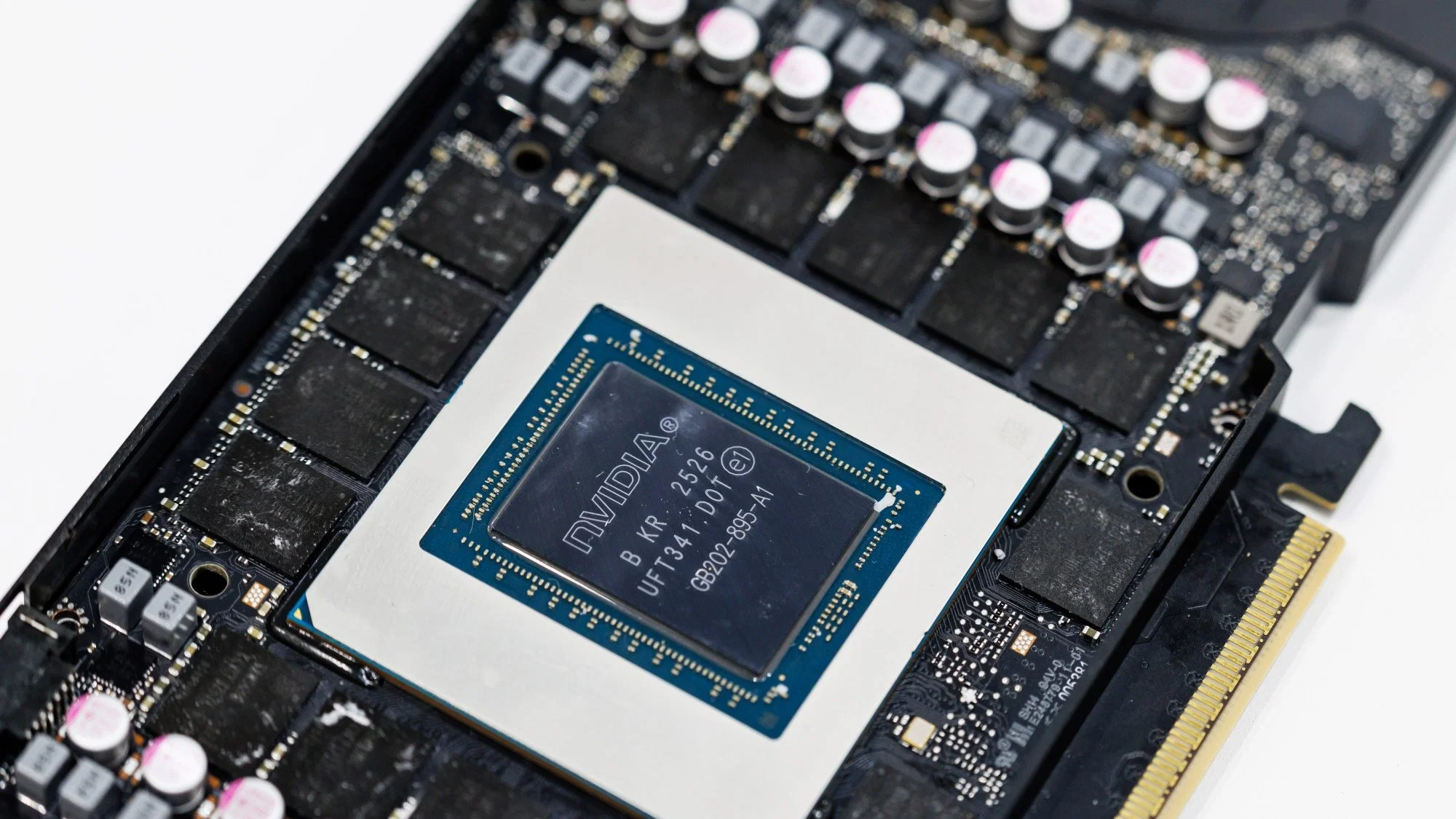
Artificial intelligence and five ways the US and China clash over it
1 hour ago
 AI News
Loyalty Juggernaut secures ISO artificial intelligence management certification
1 hour ago
 AI News
A proposed Türkiye complex could produce about 1.2 million tons of plastic
1 hour ago
 AI News
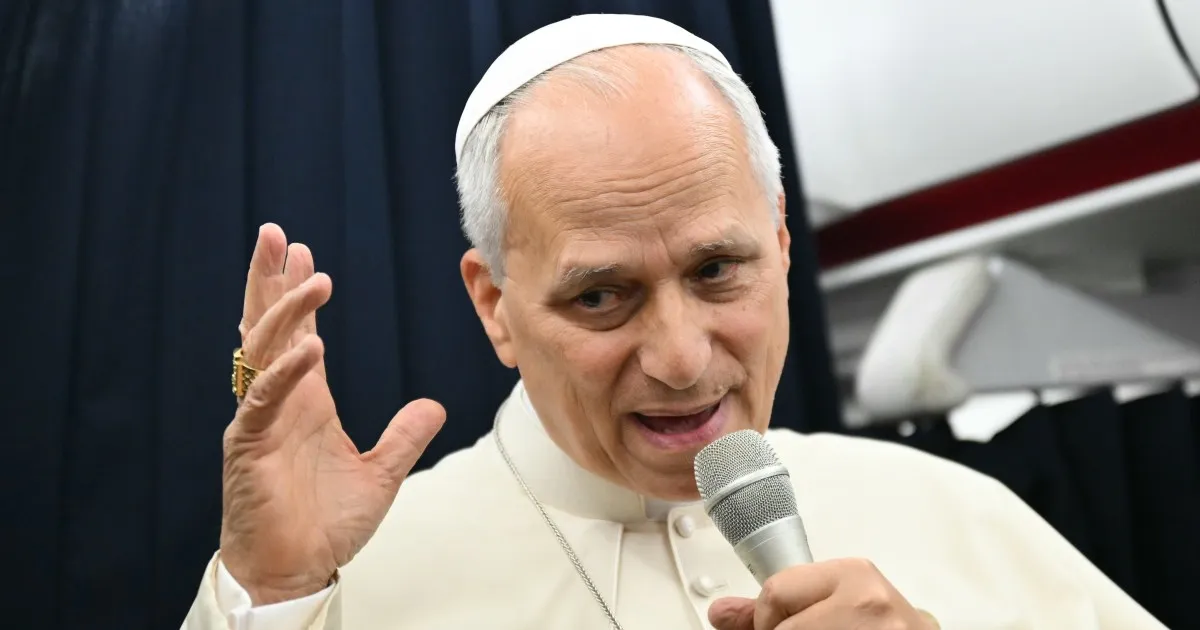
Pope Leo says AI risk concerns not ‘fake news’
1 hour ago