
AI Startups Report Not Enforcing Return-to

Business Insider reports that multiple post-pandemic AI startup founders and workplace experts said their companies never enforced formal return-to-office (RTO) mandates. Vipul Ved Prakash, CEO of a cloud compute startup, is quoted by Business Insider saying "What is an RTO?" and "People generally like to come in. We've never enforced it." Stanford economist Nicholas Bloom is quoted describing AI startup work modes as "almost entirely in-person" and "100% work focused," citing a 23-year-old with large equity stakes as an example. Arvind Jain, CEO of enterprise AI company Glean, told Business Insider he was "not eager" to push RTO but that employees wanted in-person collaboration. The reporting frames these accounts as reflecting a high-trust, voluntary in-person culture common in many post-pandemic AI startups.
Business Insider reports that several post-pandemic AI startup founders and workplace experts told the outlet they did not enforce formal return-to-office mandates. Business Insider quotes Vipul Ved Prakash, CEO of a cloud compute startup, saying "What is an RTO?" and "People generally like to come in. We've never enforced it." The article also quotes Stanford economist Nicholas Bloom describing the work mode as "almost entirely in-person" and "100% work focused," and citing an example: "For a single 23-year-old with equity worth $20 million, it makes sense to work in the office for 100 hours a week." Business Insider quotes Arvind Jain, founder and CEO of Glean, saying he "was not eager" to force returns but that employees wanted to be in person.
Industry observers commonly note that early-stage startups with concentrated equity and small teams tend to develop strong voluntary in-person norms. These cultures rely on dense, synchronous collaboration and informal knowledge transfer, which can make office attendance self-reinforcing without formal mandates. Built In analysis from February 2026 separately noted a broader contradiction: tech companies issuing RTO mandates while simultaneously deploying AI tools that reduce the peer-interaction those mandates claim to protect.
For practitioners, the Business Insider reporting highlights a persistent cultural divergence between established corporations that issue explicit RTO policies and many AI startups that operate on mutual trust and voluntary attendance. This affects recruiting messaging, onboarding practices, and daily collaboration expectations.
Observers should track whether larger AI companies and late-stage startups adopt formal RTO policies as they scale, how job postings describe workplace expectations, and whether investors or talent markets begin to standardize preference signals about in-person versus hybrid norms.
The story documents a meaningful cultural pattern in AI startups that affects hiring and collaboration decisions but does not change tooling or research. Relevant to practitioners designing teams and evaluating AI startup roles, with named executive quotes and a Stanford economist framing.
Practice with real Logistics & Shipping data
90 SQL & Python problems · 15 industry datasets
250 free problems · No credit card
Related Stories
 AI News
How to Structure an AI Agent Referral Fee Agreement Between Startups
1 minute ago
 AI News
No, AI didn’t delete a Swedish reality TV series
1 minute ago
 AI News
There is no AI in Armageddon. Artificial intelligence is a tool, not an apocalypse
1 minute ago
 AI News
Inconsistent guidelines for AI use in N.S. classrooms fuel calls for provincewide policy
1 minute ago
 AI News
AI payoffs, green transition shape France
1 hour ago
 AI News
If I Could Only Buy 1 Artificial Intelligence (AI) Stock Before the Market Crashes, It Would Be This One
1 hour ago
 AI News
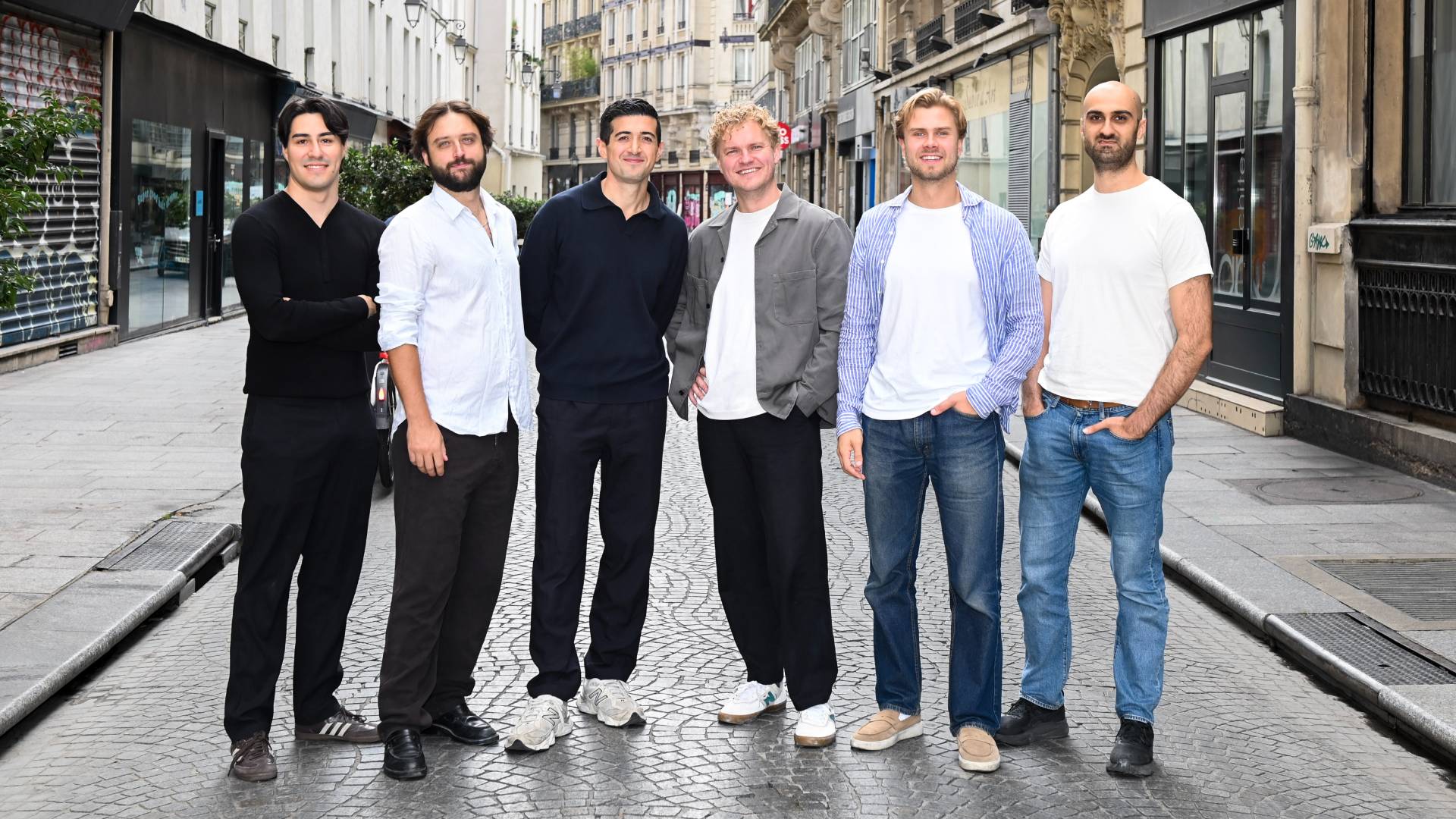
Stockholm’s Vessla exits stealth with €2.94 million to bring AI agents to property management
2 hours ago
 AI News
Anthropic says it will commit 5% of its shares to 'public benefit fund'
2 hours ago