
AI’s nuclear power push runs into cost and regulatory hurdles
INVESTORS have poured US$4.6 billion into US nuclear startups so far this year, up from US$3.8 billion raised in 2025, going by Crunchbase.
They are betting that deep-pocketed tech companies desperate for power will pay higher prices for carbon-free electricity that is available around the clock. The key question is when those big cheques will yield actual steel and concrete power plants.
Demand for electricity is climbing, especially from data centres.
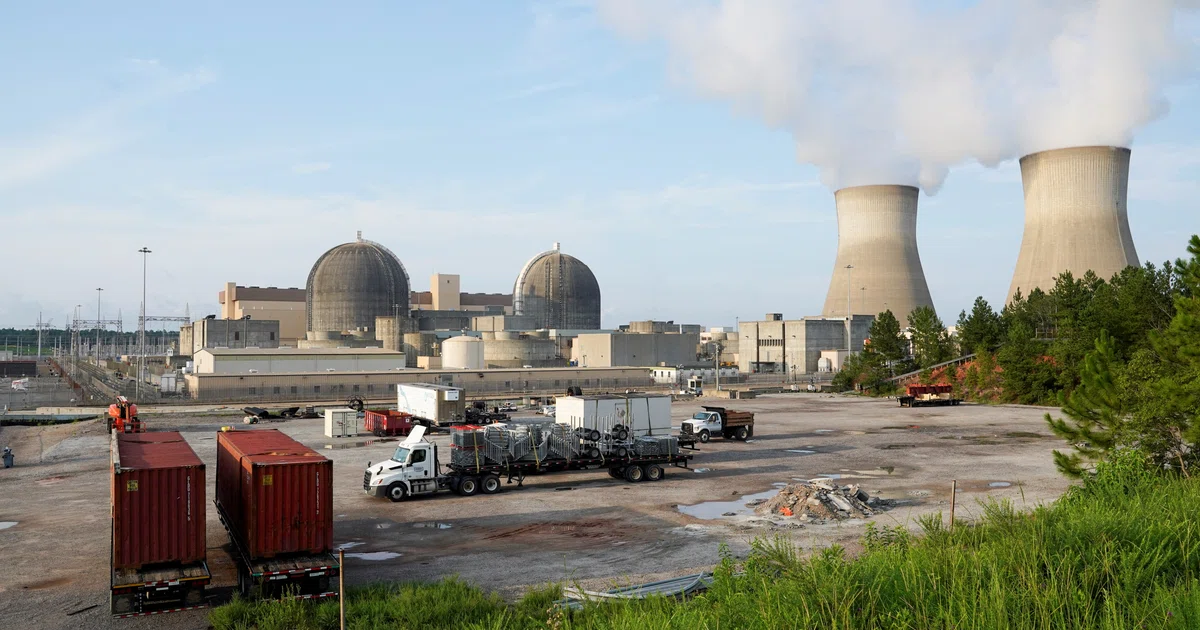
However, there are only two new commercial reactors under construction in the US and Canada, and no other such projects have received approval from regulators.
The contrast reflects the complex realities of the US nuclear industry: Rising investor interest may not result in more electricity in time to meet the first wave of demand.
“The reality is starting to sink in,” said Scott Levine, a senior analyst with Bloomberg Intelligence. “This is going to take longer than expected.”
Get insights into businesses across South-east Asia
Startups that have lined up venture financing still have to navigate a complex regulatory process, prove they can actually build new reactors that can generate electricity, and then commercialise those never-before-built technologies at scale.
According to Bloomberg Intelligence, widespread commercialisation will not arrive until about 2035. High upfront costs and a still-emerging supply chain are additional hurdles.
“The money is arriving faster than the projects are maturing,” said Max Hermanson, a vice-president at the Washington-based research company ClearView Energy Partners. “The nuclear renaissance is currently still showing up more on balance sheets than construction sites.”
Dozens of companies are developing the next wave of nuclear technology, based on new designs.
Many are focused on so-called small modular reactors (SMRs), which are expected to be built in factories and assembled on site, a strategy aimed at reducing costs and accelerating construction.
Still, the technologies remain unproven, and the industry needs to show that it is possible to build both the new reactors and supply chains that will eventually make them cost-effective.
The key to making the nuclear industry more competitive is being able to mass-produce the components in factories, said Drew Wandzilak, a principal with Alumni Ventures, a venture-capital company that has backed numerous nuclear companies including Valar Atomics, Radiant Industries and Aalo Atomics.
“You need to prove that out over the next few years,” said Wandzilak. “If you can’t do all these things, some of the formula starts to break down.”
He expects to see at least a few reactors get switched on this decade. And he is betting that they will eventually start rolling off the assembly lines, but not until the early 2030s, demonstrating the viability of the SMR business model.
Until then, the bankers are taking a wait-and-see approach, said Yasir Arafat, chief technology officer of Aalo Atomics, a Texas-based reactor startup.
The company is poised to close a Series C funding round that he said would be north of $500 million, and plans to use part of that to fund its first commercial project.
“They want to see technologies proven in the field,” he said on the sidelines of the Texas Nuclear Summit conference in Houston this week. “They haven’t seen the tech proven.”
Goldman Sachs Group expects US data centre power demand will reach 66 gigawatts (GW) in 2027, more than double the 31 GW seen in 2025.
Companies including Meta Platforms, Alphabet and Amazon.com have all inked deals to use nuclear energy, once the reactors get built.
US President Donald Trump’s administration is a strong supporter of nuclear power. It has called to quadruple US reactor capacity by 2050, and last year issued a series of executive orders aimed at streamlining the regulatory process and boosting deployment.
The biggest sign of confidence came in August, when Valar notched a US$1 billion funding round. That followed Antares Nuclear, which announced in July a US$470 million financing round, and Radiant, which raised US$300 million in December.
Nuclear has a storied reputation of missing its goals.
The last nuclear project completed in the US was a pair of large, traditional reactors in Georgia that were delivered seven years late and more than 100 per cent over budget.
Fears of repeating that are holding back Wall Street financing for new projects. While some of these companies have raised debt alongside equity, those have been nowhere close to the sums they would need to build reactors at scale.
Still, more investment is expected to flow to nuclear startups.
“This is an investor’s dream right now,” said Doug Philippone, co-founder and partner at Snowpoint Ventures, an early investor in Valar. “These other investors don’t think it’s real, but it is.” BLOOMBERG
Related Stories
 AI News
OpenAI wants you to use AI
1 minute ago
 AI News
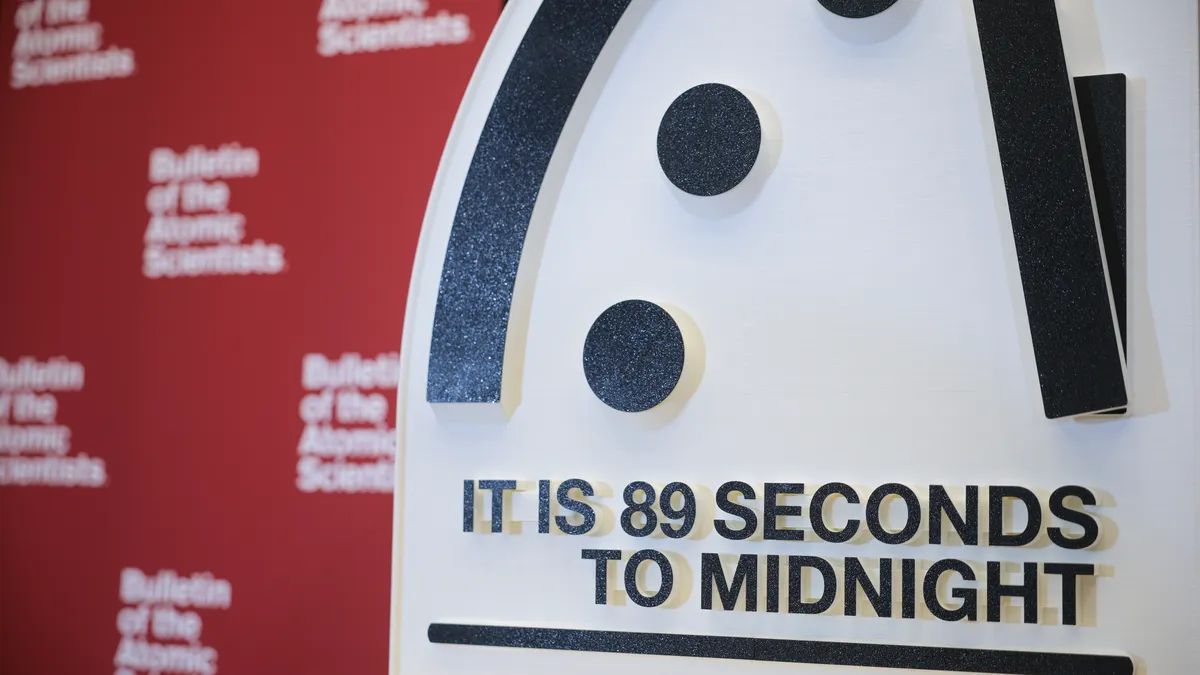
Doomsday Clock expert worried about 'an extremely pressing threat'
1 minute ago
 AI News
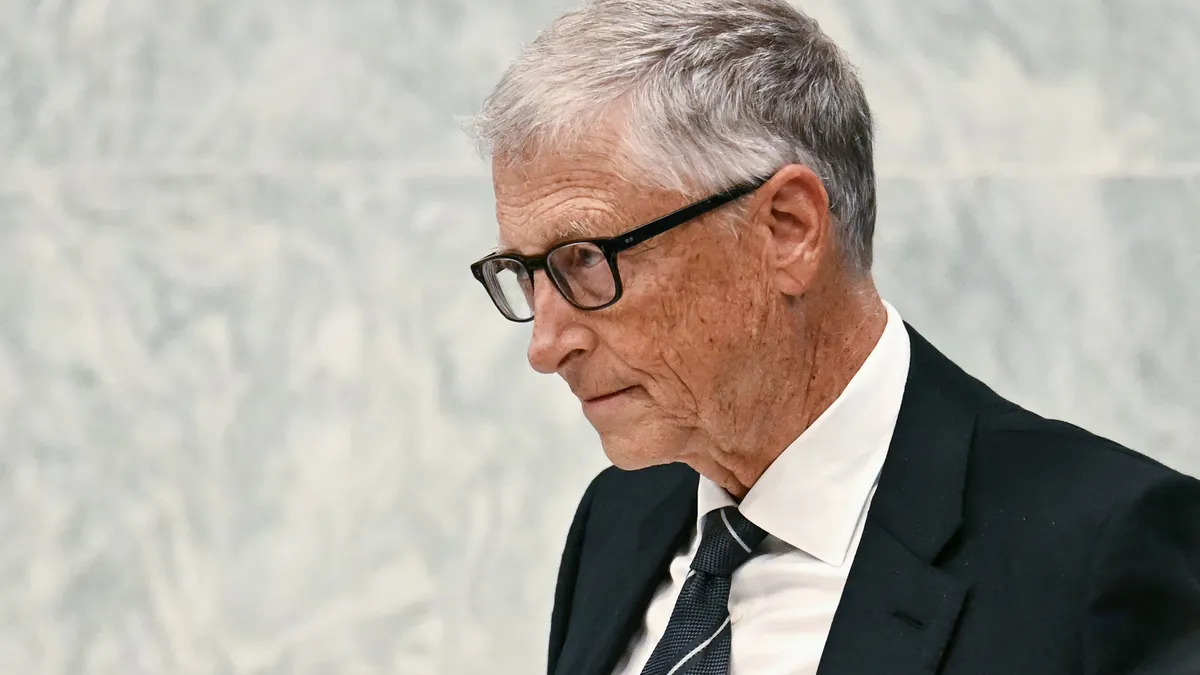
Bill Gates warns AI powerful enough to lead to ‘a billion deaths’
2 minutes ago
 AI News
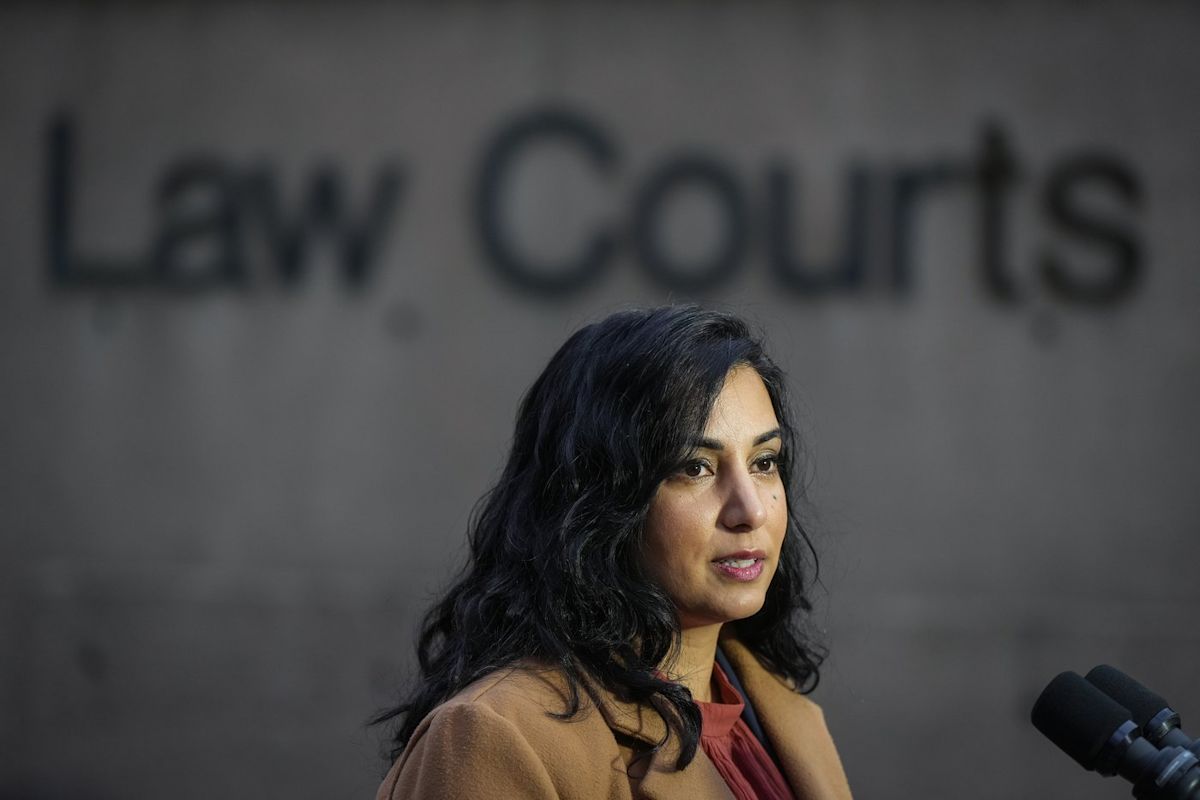
B.C. attorney general seeks Criminal Code change after Tumbler Ridge AI chat report
2 minutes ago
 AI News
The comedians turning AI anxiety into punchlines: ‘It’s so good, it’ll completely alter our grasp on reality’
2 minutes ago
 AI News
Pope warns against 'losing humanity' to AI machines
57 minutes ago
 AI News
Fox News AI Newsletter: Tech company says scientific discovery could change medicine
1 hour ago
 AI News
When the intelligence about AI is artificial
1 hour ago