
AI’s real cost may not be lost jobs, but lost meaning and purpose.
What the AI Booing Was Really About
AI’s real cost may not be lost jobs, but lost meaning and purpose.
Posted May 31, 2026 | Reviewed by Tyler Woods
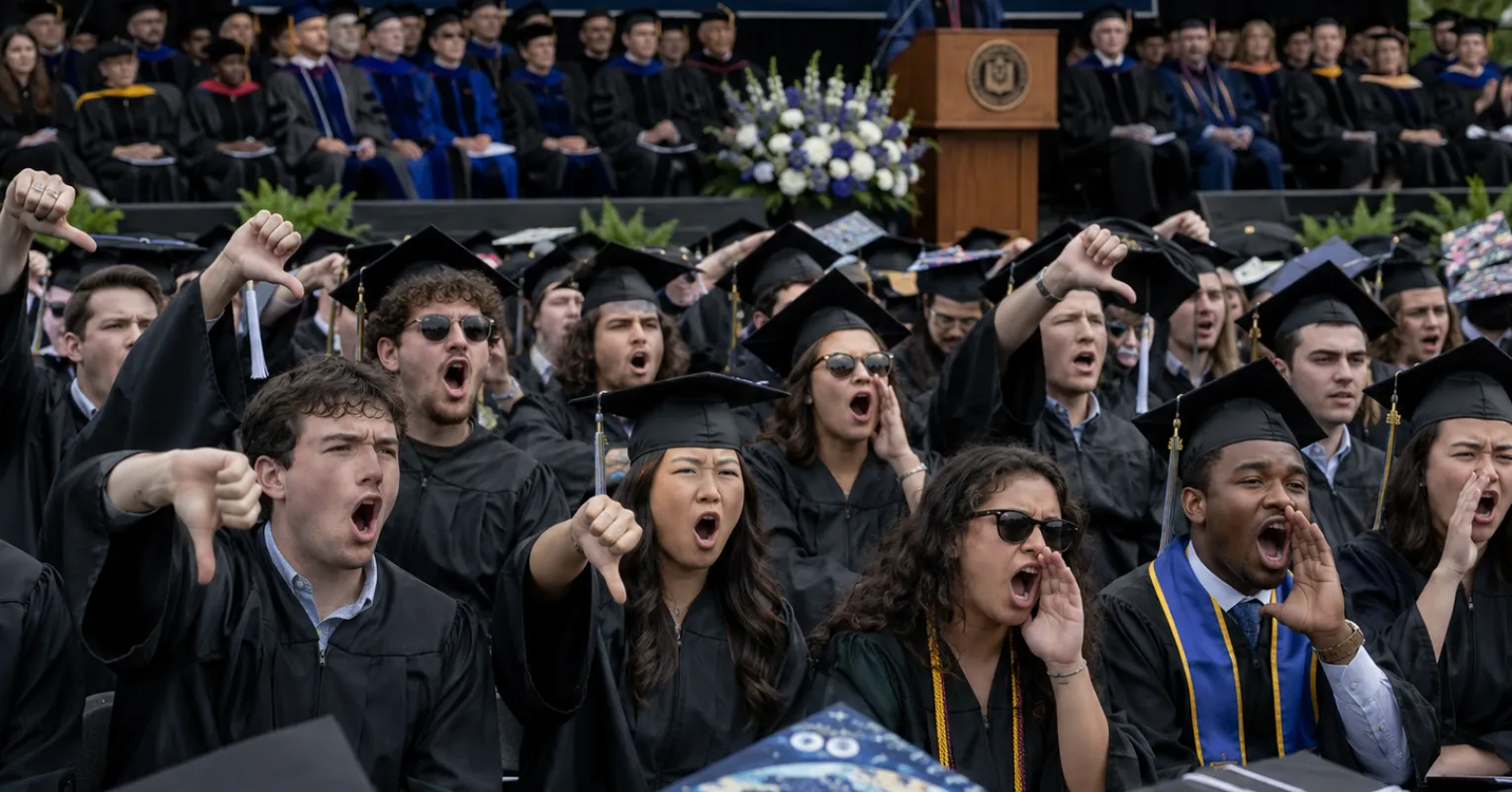
At commencement ceremonies across the country this spring, something unusual kept happening. Multiple speakers told graduating classes that artificial intelligence was the next industrial revolution, and then promptly got booed. It would be easy to dismiss those students as naive or resistant to change. But I don't think that's what was happening. Those graduates understood something the speakers glossed over: the benefits of AI are not evenly distributed, and that one group of people likely to absorb the costs were sitting right there in the audience.
This is a story playing out within many professions. Armed with AI, paralegals are displacing junior attorneys. AI coding tools are undercutting entry-level software engineers. Diagnostic software threatens the billing rates of radiologists. And in field after field, a credential that once guaranteed a certain livelihood no longer does. Take psychotherapy. At least one major insurer has already reduced reimbursement rates for doctoral-level therapists to the level of master's-prepared clinicians, effectively erasing the financial return on years of additional training. This is not an anomaly; it’s a pattern. The advanced degree made a promise, but the market is quietly walking it back. This is disruptive technology doing exactly what it says: disrupting. The question is who absorbs the cost.
I’m watching this scenario unfold in my own profession. Most graduate training programs in psychology are still preparing clinicians for a model of care that is quickly becoming obsolete. Many of the therapists finishing their degrees right now had never heard of chatbots when they started graduate school. The idea that they would spend five to seven years earning a doctorate and then compete with free, always available, and often very effective AI tools was simply not part of anyone's calculation. They signed on for a profession with a clear value proposition: advanced training, meaningful work, a reasonable livelihood, but the ground moved while they were still in training.
And that loss points to something bigger. The Headspace 2026 Workforce State of Mind report found that employees across industries are already experiencing elevated levels of work-related stress and diminished sense of purpose. This should not surprise us. For most people, work is not just income, it offers us a sense of identity, structure, and a primary source of meaning. When AI disrupts a profession, it does not just threaten a paycheck. It threatens the answer to the question of purpose. What gives life meaning? And we know what happens when that question goes unanswered for too long. Job loss is a strong predictor of depression and social isolation. People feel humiliated and scared, and they retreat. The human connections that might sustain them can be the first things to go.
I fear, as AI advances, that we are entering a crisis of purpose and meaning. Yet perhaps something more profound and powerful can come from this shift. Relationships have always been the most robust predictor of well-being we have. Not productivity, not achievement, not technological capability. At the end of lives, people typically don’t wish they had worked harder. Instead, people wish they had focused more on their relationships. And yet human connection has gotten the short shrift since AI arrived. We optimize, we automate, we outsource, we develop AI “relationships,” all while spending less time with the people who actually matter to us.
So maybe this disruption, as painful as it is, can herald a return to our humanity. The graduates who booed this spring were not wrong to be afraid. But let’s make use of their fear to recalibrate. We can choose to prioritize human connection over achievement. We can use this disruption to bring us toward each other, toward the relationships that have always been the place where real meaning lives. Let’s make that the story of the future of intimacy.
Related Stories
 AI News
World Cup team nicknames 2026: The inspiration behind all 48, from The Chivalrous Ones to Blue Sharks
55 minutes ago
 AI News
World Cup 2026: Bukayo Saka trains alone as England prepare for Ghana game
56 minutes ago
 AI News
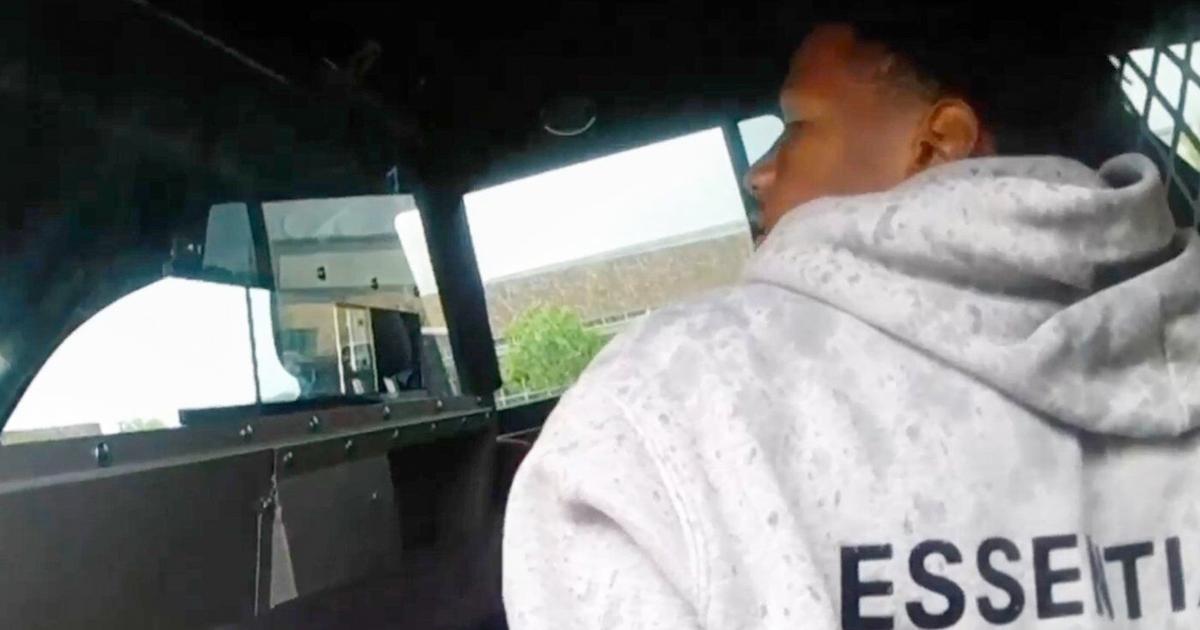
Newly released video captures the aftermath of a fatal teen stabbing at a Texas track meet
56 minutes ago
 AI News
The day the Five Eyes showed up to confront Russia about its plan to attack Ukraine
56 minutes ago
 AI News
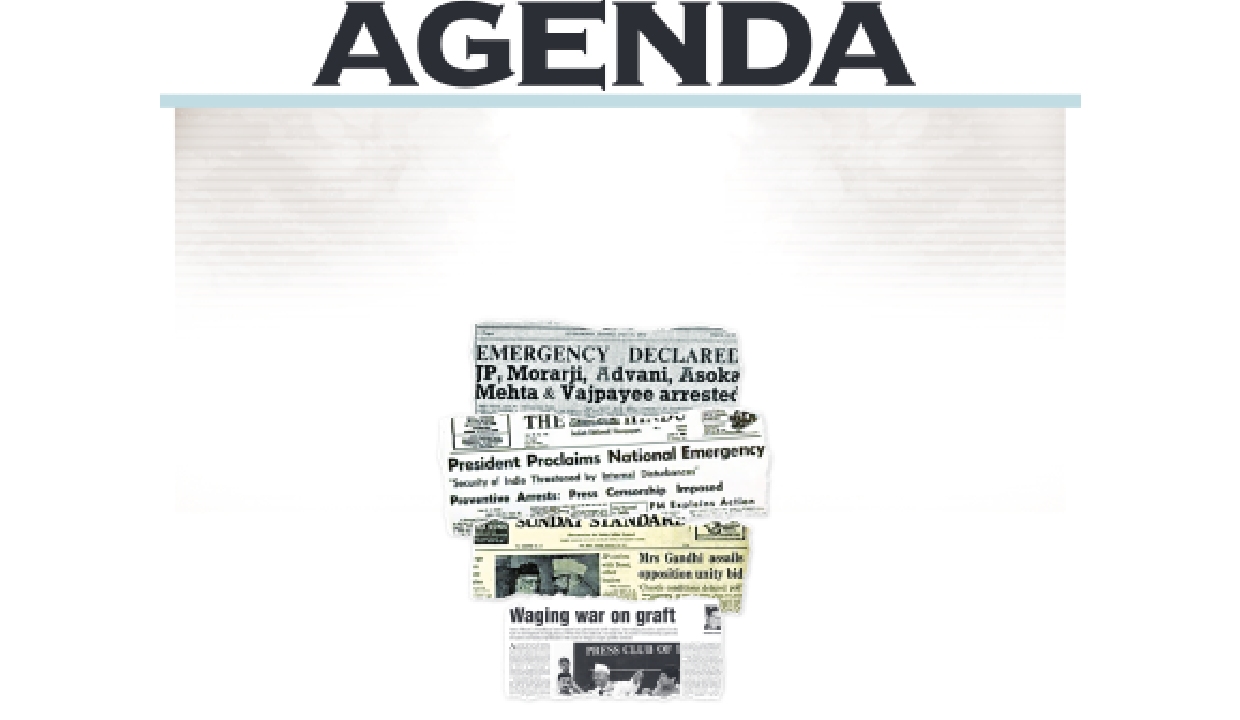
From Sampoorn Kranti to Caste Politics: The Unfinished Legacy of India’s Socialist Movement
56 minutes ago
 AI News
Woman dead following shooting in downtown Toronto: Toronto police
56 minutes ago
 AI News
Cyclist dies after being struck by vehicle in Calgary
56 minutes ago
 AI News
Man facing multiple charges after domestic dispute in Cobden
56 minutes ago