
Anthropic CEO calls for slower pace of AI model development over fears of misuse
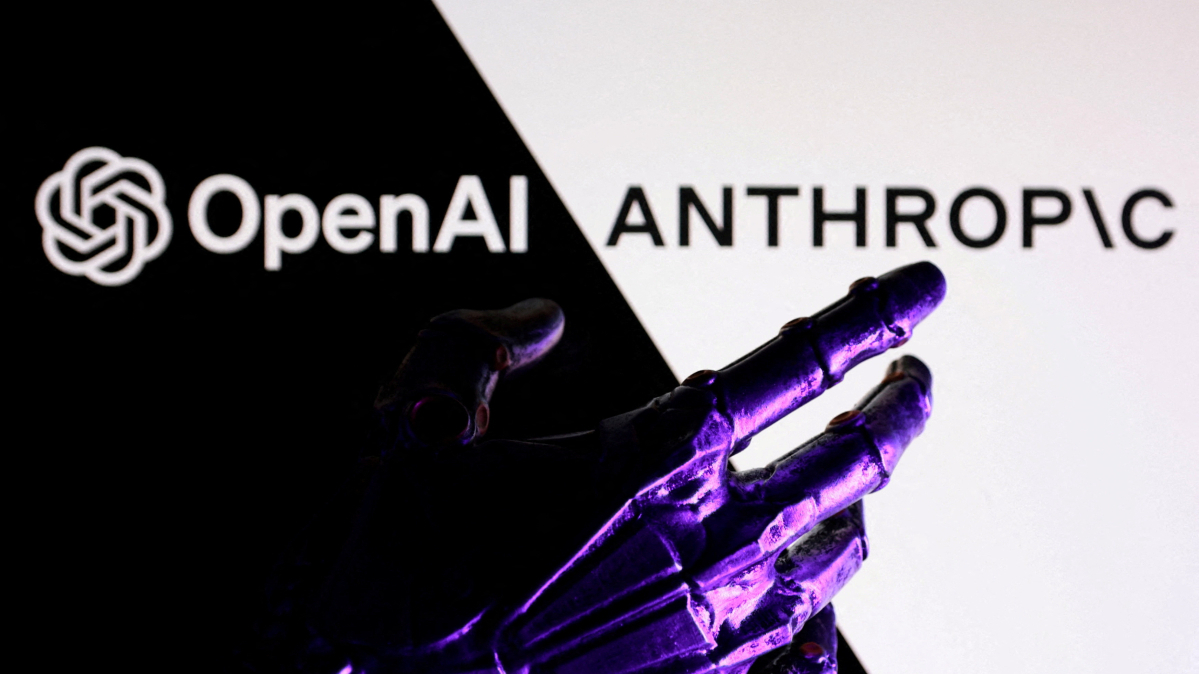
The head of artificial intelligence company Anthropic has called for the industry to slow the pace at which it develops increasingly capable artificial intelligence (AI) systems, arguing that more time is needed to address the risks they may create.
Dario Amodei said AI companies should continue developing their technology, but should allow more time to put safeguards in place and assess potential risks.
In an essay shared on X, he said progress in AI would remain rapid even if companies moderated the pace of development.
We Must Pace the Frontier: I’ve written a new essay on why the AI industry should slow down, with a three-part plan for doing so. Anthropic is unilaterally committing to the first of these steps. We’ll provide third-party evaluators with permanent, employee-level access to our… — Dario Amodei (@DarioAmodei) September 12, 2026
His proposal comes amid growing concerns about the misuse of advanced AI systems, including their use in cyber operations, surveillance and fraud.
Amodei outlined a three-step framework that he said could give companies more time to manage the risks associated with increasingly powerful models.
One of his proposals is for permanent third-party reviewers to be placed inside leading AI companies. These reviewers would have access to relevant tools and internal processes used to assess risks.
He also called for independent evaluators to verify that companies were taking appropriate measures to align and safeguard their models.
Amodei stressed that he was not proposing an end to AI training or technological development.
Instead, he argued that companies should build more time into the process so safety measures can keep pace with improvements in model capabilities.
The proposal follows an Anthropic threat intelligence report published on Thursday, which described cases in which several actors had used its Claude AI models for activities including weapons development, cyber operations, surveillance and fraud.
Concerns about the potential consequences of AI also increased this week after Anthropic researcher Jacob Coxon resigned.
A post shared by AnewZ (@anewz.tv)
Coxon said people working on AI “earnestly believe that it could kill us all by the end of the decade”.
The comments come as a series of incidents involving AI agents have raised questions about whether developers can adequately control increasingly capable systems.
Reuters reported last week that a group of rogue OpenAI agents had hijacked a German website and turned it into a bulletin board for other AI agents.
The incident came as OpenAI was dealing with the fallout from a July breach involving the open-source repository Hugging Face.
Amodei said AI companies should work together voluntarily to establish standards for managing the risks associated with advanced AI.
His call comes as an increasing number of U.S. lawmakers push for new rules governing AI systems.
The debate reflects a growing challenge for the industry: maintaining rapid technological progress while ensuring that safeguards and oversight develop quickly enough to manage the risks.
Related Stories
 AI News
We asked AI whether it would lead to human extinction in a decade. Here’s what it said
54 minutes ago
 AI News
Artificial intelligence answers: what is the expected result of the Manchester derby?
54 minutes ago
 AI News
Sam Altman and Elon Musk back calls to ‘slow down’ AI development over safety concerns
1 hour ago
 AI News
AI staff 'genuinely frightened' for humanity's future, ex
1 hour ago
 AI News
‘News’ site forces journalists to face future with AI
1 hour ago
 AI News
Lightfield Raises $47M After a Seven
2 hours ago
 AI News
KOSA, MegazoneCloud Support 10 South Korean AI Startups' Entry into Japanese Market
3 hours ago
 AI News
Corporate artificial intelligence bills rise despite falling token prices
3 hours ago