
Argentina: PapaDX applies artificial intelligence to diagnose problems in potato crops

The Argentine app PapaDX uses artificial intelligence to analyze crop photos, guide diagnoses and issue weather alerts. It was developed by Aconcagua Digital, co-founded by grower Santiago Cardoso.The technology seeks to bring artificial intelligence closer to the day-to-day management of potato crops, allowing users to analyze photographs of leaves, plants, tubers and entire fields to identify possible sanitary, nutritional or environmental problems.The tool was created by Aconcagua Digital, a company co-founded by Santiago Cardoso, a third-generation potato grower and co-owner of Antonio Cardoso e Hijos S.A., a company based in Mar del Plata, Buenos Aires province.
The grower or technician can take a photo from a phone or select an image from the gallery. Based on that material, PapaDX analyzes visible symptoms and presents a preliminary diagnosis, accompanied by a description of the problem, a confidence level and management recommendations.The app was designed to recognize signs compatible with diseases such as late blight, early blight, rhizoctonia, common scab, Verticillium, Fusarium, pink rot and different viruses that affect the crop.It can also provide guidance on the possible presence of pests, nutrient deficiencies, mechanical damage, heat or frost stress, and symptoms associated with herbicide application or persistence. Results are classified according to priority, indicating whether the problem requires urgent intervention, medium-priority attention, monitoring, or whether treatment would not be necessary.
A conversation to improve diagnosis
One of PapaDX’s distinctive features is the ability to chat with the artificial intelligence to add information that cannot always be observed in a photograph.The system may ask, for example, whether the damage is concentrated at the headland or appears in different areas of the field; what crop was grown previously; whether herbicides were applied; or whether frost, strong winds, waterlogging or soil compaction were recently recorded.This complementary information helps refine the differential diagnosis. The same visual symptom may be related to a disease, a nutritional deficiency, water stress or chemical damage, which makes production context essential.
PapaDX also incorporates alerts based on the field’s location, the weather forecast and the crop’s development stage.When conditions favorable to a given disease are expected —such as rainfall and high humidity increasing the risk of late blight— the app can warn the user before symptoms become visible and recommend evaluating preventive measures.The location can be obtained through the phone’s GPS or entered manually. In this way, the tool aims to move from identifying existing damage toward a support system for anticipating risks.
PapaDX does not replace the work of agronomists, plant pathologists or laboratory analyses. Its role is to provide initial guidance, help organize available information and enable a faster response to a problem observed in the field.Uncertain diagnoses, or those that could lead to costly decisions, should be confirmed by a professional or through laboratory tests. Likewise, any recommendation involving crop protection products should be verified according to the registrations, labels and regulations in force in each country.The app was launched for iPhone devices and offers a free trial mode and a professional subscription with unlimited analyses. It includes features in Spanish, English, Portuguese and Hindi.The development of PapaDX shows how artificial intelligence is beginning to integrate into specific activities in potato production: observing the crop, interpreting symptoms, anticipating risks and providing more information for decision-making.
Related Stories
 AI News
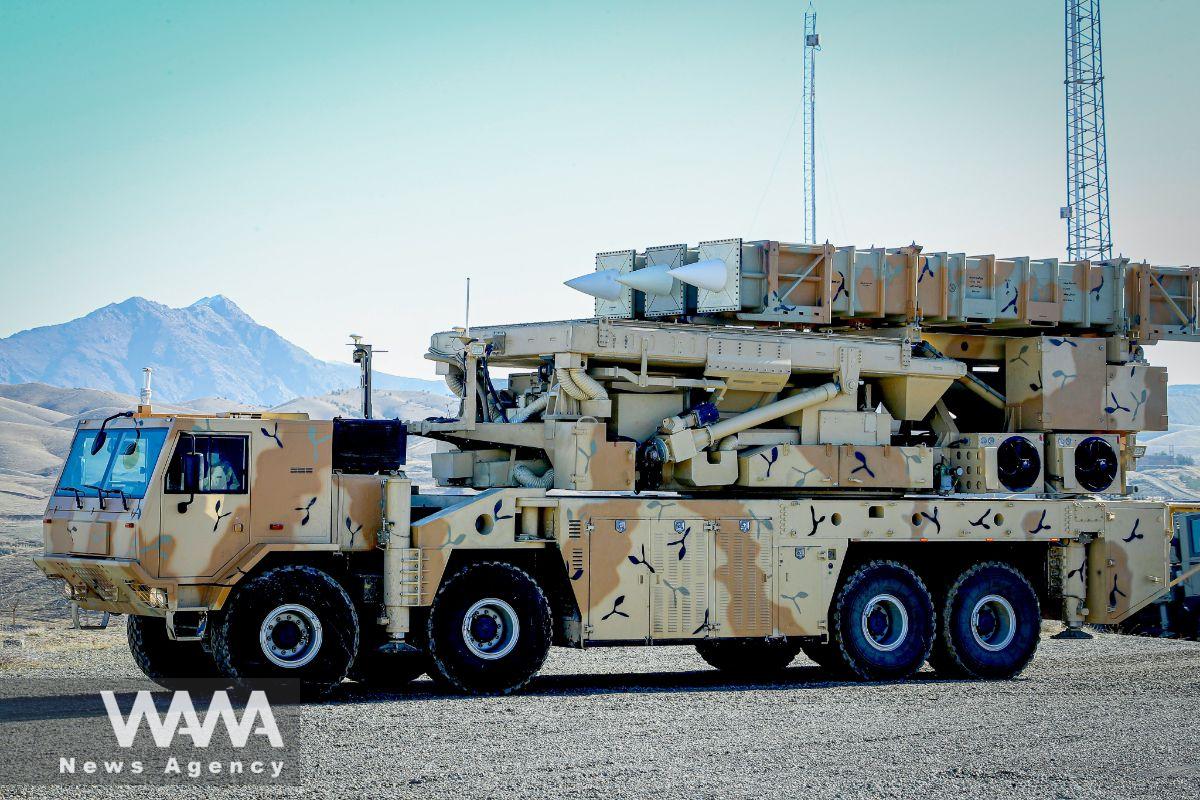
Iran Integrates Artificial Intelligence into Air Defense Systems -
44 minutes ago
 AI News
Redditors say Anthropic's expensive Claude plans offer far less usage than advertised
44 minutes ago
 AI News
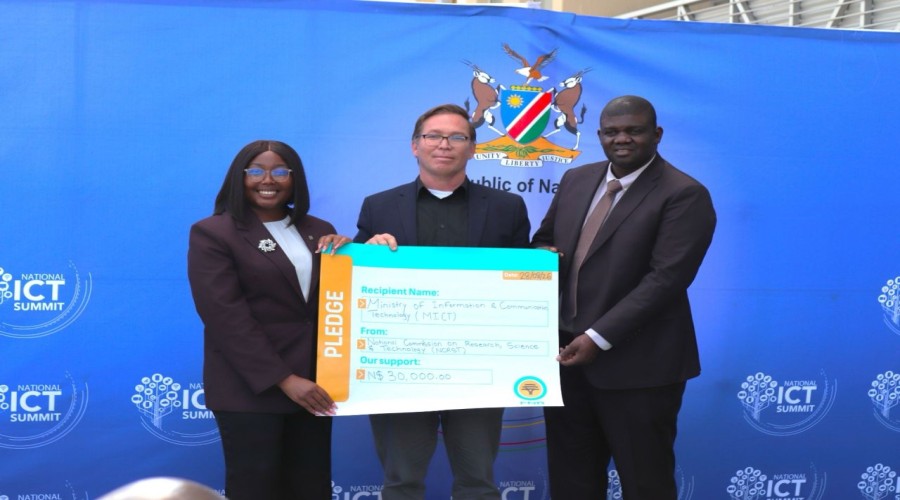
NCRST sponsors Namibia’s 9th National ICT Summit to promote inclusive digital growth
1 hour ago
 AI News
As more teens turn to AI for emotional support, experts say it's no substitute for human connection
1 hour ago
 AI News
The Ethics of Intelligence: Hampton University Builds an AI Ecosystem for a Future Where Access, Data, Opportunity Matter
1 hour ago
 AI News
AI token prices are hitting new record lows
2 hours ago
 AI News
Programmable sovereignty: coordinated specialisation as a response to the N
2 hours ago
 AI News
U of A student body soars to new heights
2 hours ago