
Artificial Intelligence And Global Security

ABSTRACT: The rapid development of artificial intelligence has produced two barely controlled AI races, one between around a handful of companies, and the other between two superpowers. Neither race is in any meaningful sense regulated, so that the only constraints are financial and physical. The U.S. government has resisted state initiatives and punted responsibility to Congress. There is little sign of an AI arms control agreement between the United States and China. Growing public disquiet would appear to anticipate adverse consequences, such as unemployment, that have yet to materialize and may not. Yet there are good reasons to fear the unintended consequences of the two unfettered races. Drawing parallels with events in the late 1950s and early 1960s, when roughly comparable races occurred in the domains of prohibited narcotics and nuclear weapons, this paper argues for a rapid transition to a new détente based on AI arms control. A reduction of breakneck competition between the superpowers would reduce the need for mafia-like behavior by the leading U.S. companies.
Related Stories
 AI News
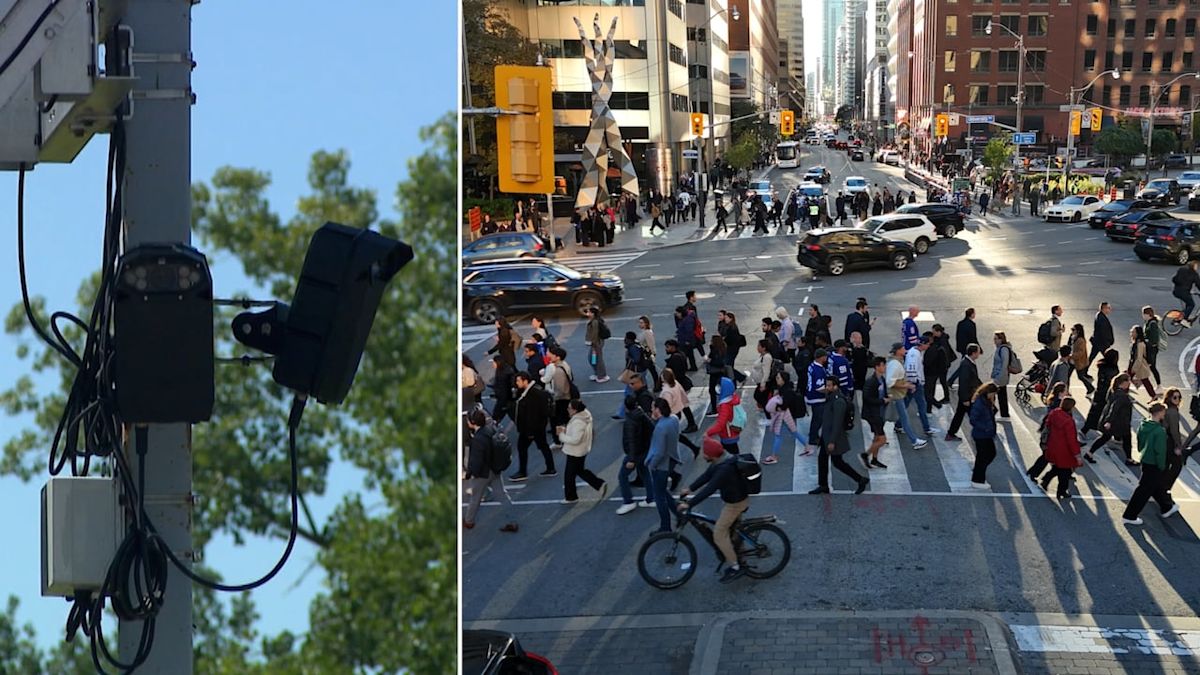
'Constant eyes': Toronto police’s new AI plate readers explained
44 minutes ago
 AI News
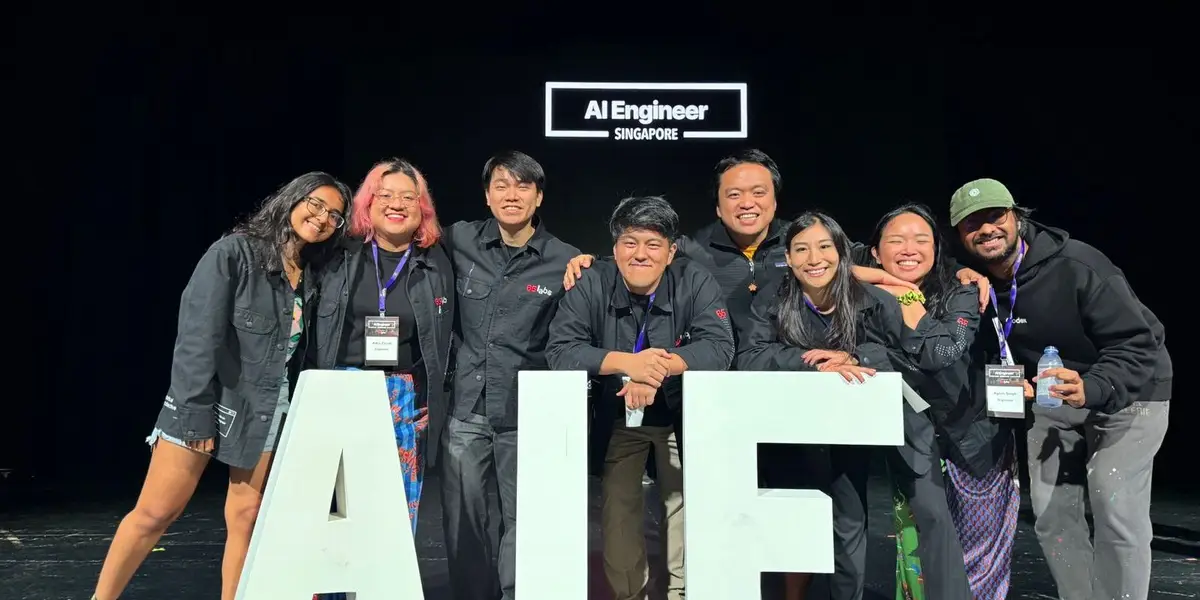
Vibe Coding Was the Magic Wand for Singapore's Struggling Tech Scene
48 minutes ago
 AI News
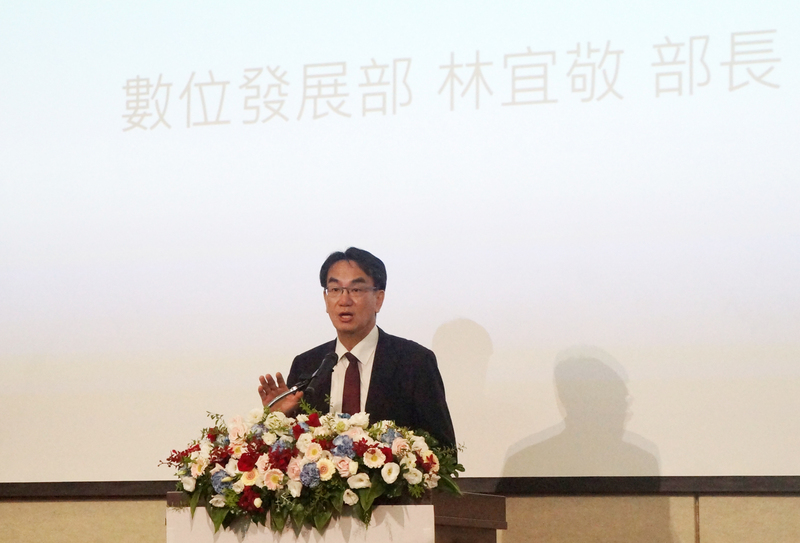
Taiwan identifies sovereign AI, satellite communications as key technology priorities
48 minutes ago
 AI News
AI Agents Help Treasurers Move Faster
48 minutes ago
 AI News
AI and robotics drive an IPO boom in China as Shein lists in Hong Kong
48 minutes ago
 AI News
Anti
1 hour ago
 AI News
Advanced AI threatens global financial stability, says Bank of England boss
1 hour ago
 AI News
Balaji Chouthai Baburao Commended for Excellence in Outstanding Achievements in Artificial Intelligence, Digital Integration, Process Automation and Strategic IT Leadership
1 hour ago