
Artificial Intelligence: How Machines Are Quietly Learning to Think
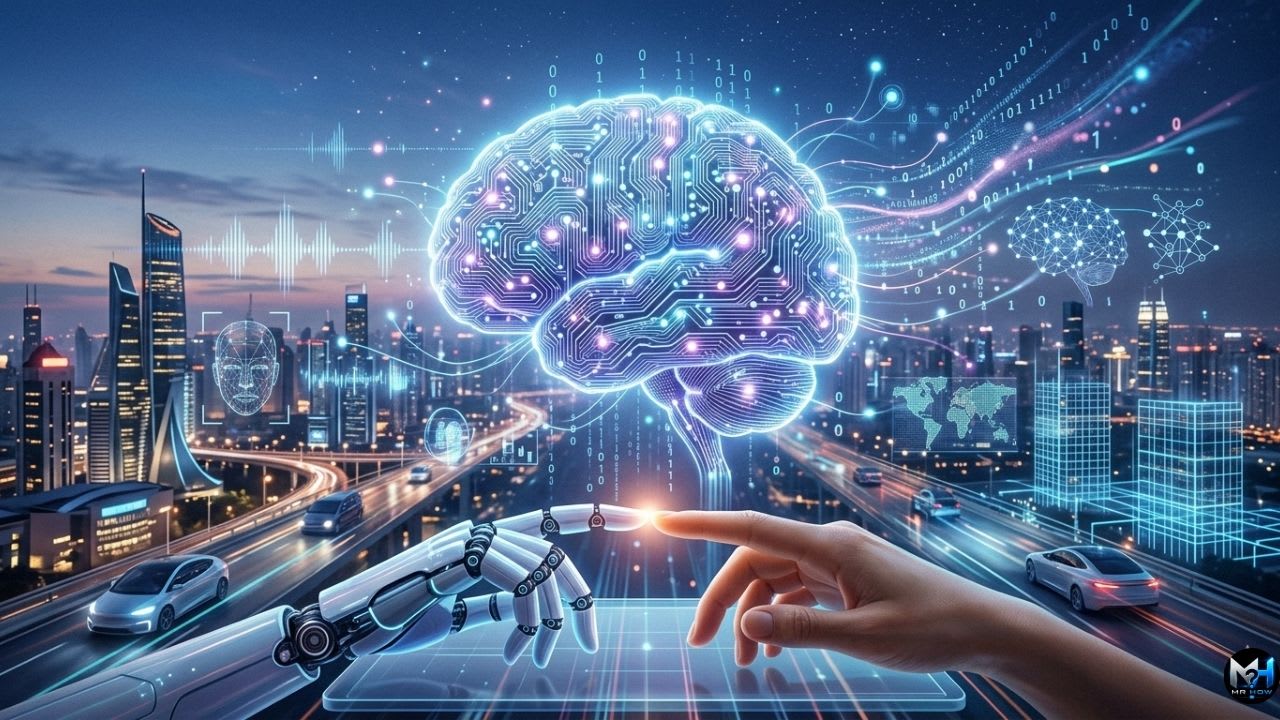
Artificial Intelligence (AI) is no longer science fiction. It is already shaping the way we live, work, and communicate every day.
From voice assistants on our phones to recommendation systems on streaming platforms, AI is quietly becoming part of modern life. But what exactly is Artificial Intelligence?
Artificial Intelligence refers to the ability of machines and computer systems to perform tasks that normally require human intelligence. These tasks include understanding language, learning from experience, solving problems, recognizing images and speech, and making decisions.
In simple terms, AI allows machines to “think” in a limited, data-driven way. Unlike humans, AI does not have emotions or consciousness. Instead, it works by analyzing large amounts of data and finding patterns that help it make predictions or decisions.
One of the most powerful features of AI is its ability to learn. Instead of being explicitly programmed for every task, modern AI systems learn from examples. This process is known as machine learning.
For example, if you show an AI thousands of cat photos, it can learn to recognize what a cat looks like. The more data it receives, the better it becomes.
The idea of intelligent machines is not new. In the mid-20th century, scientists like Alan Turing began exploring whether machines could think. In 1956, the term “Artificial Intelligence” was officially introduced at a research conference. Early progress was slow, and the field went through periods known as “AI winters.”
In recent years, however, breakthroughs in computing power and data have led to rapid progress. Today, AI systems can recognize images, translate languages, write text, and even assist in scientific research.
AI is generally divided into three categories: Narrow AI, General AI, and Superintelligence. Narrow AI is what we use today in tools like chatbots, search engines, and recommendation systems. General AI refers to machines that could perform any intellectual task a human can do, but it does not yet exist. Superintelligence is a theoretical form of AI that could surpass human intelligence in all fields.
Artificial Intelligence is already used in healthcare, finance, transportation, entertainment, communication, and business. It helps detect diseases, prevent fraud, power self-driving cars, recommend movies, translate languages, and automate customer support.
Despite its benefits, AI raises important challenges such as bias in data, privacy concerns, job displacement, lack of transparency, and questions about accountability.
As AI continues to evolve, it is becoming more integrated into everyday life. The future of AI will depend on how responsibly it is developed and used. It has the potential to transform industries, improve lives, and reshape society.
In the coming years, AI is expected to become even more advanced, with systems that can learn faster and adapt to new situations more efficiently than ever before. However this progress also brings responsibility as powerful technologies must be designed carefully to avoid unintended consequences. Researchers and policymakers are working together to ensure AI systems are safe, fair, and transparent.
One of the most important areas of discussion around AI is its impact on jobs and the global economy. While AI can automate repetitive tasks and improve efficiency, it also raises concerns about job displacement in certain industries. At the same time, it creates new opportunities in fields such as data science, robotics, software engineering, and AI ethics. This shift means that workers may need to adapt by learning new digital skills and embracing lifelong learning in order to stay relevant in a changing job market.
Another major concern is the ethical use of artificial intelligence. Issues such as privacy protection, algorithmic bias, and misinformation are central to ongoing debates about how AI should be regulated. If not properly managed, AI systems could unintentionally reinforce inequalities or make decisions that negatively affect individuals and communities. This is why transparency in AI development and accountability for outcomes are considered essential principles for future progress. Ultimately artificial intelligence is not just a technological innovation but a social transformation that is reshaping how humans interact with machines and with each other. Its development will continue to influence nearly every aspect of modern life from healthcare to education transportation and communication. As research advances the world moves closer to a future where intelligent systems play an even greater role in shaping society.
In conclusion artificial intelligence represents one of the most significant technological developments of the modern era. It continues to evolve at a rapid pace bringing both opportunities and challenges to societies around the world. Its influence can already be seen in countless applications that make daily life more efficient connected and intelligent. While the future of AI is still uncertain its potential is undeniably vast and transformative. The key to benefiting from this technology lies in responsible innovation ethical design and thoughtful regulation. By balancing progress with responsibility humanity can ensure that artificial intelligence becomes a tool for progress rather than a source of harm. It is a defining technology of our time and its story is written.
Related Stories
 AI News
AI in mental health
42 minutes ago
 AI News
While hacking attacks using artificial intelligence (AI) are spreading beyond the financial sector a..
45 minutes ago
 AI News
Dev used AI agents and more than 500 billion tokens to rebuild Call of Duty: Modern Warfare 2's source code
1 hour ago
 AI News
AI latest update: Why are New York Times, Agence France
1 hour ago
 AI News
Pocock slams AI inquiry as political ‘stitch
2 hours ago
 AI News
Artificial Intelligence: Should We Personalize the Machine?
2 hours ago
 AI News
Letters to the Editor: Is AI our friend?
3 hours ago
 AI News
The Crucial Responsibilities Doctors Must Never Offshore to AI
3 hours ago