
Bank of Canada governor warns new tariffs could cut fourth
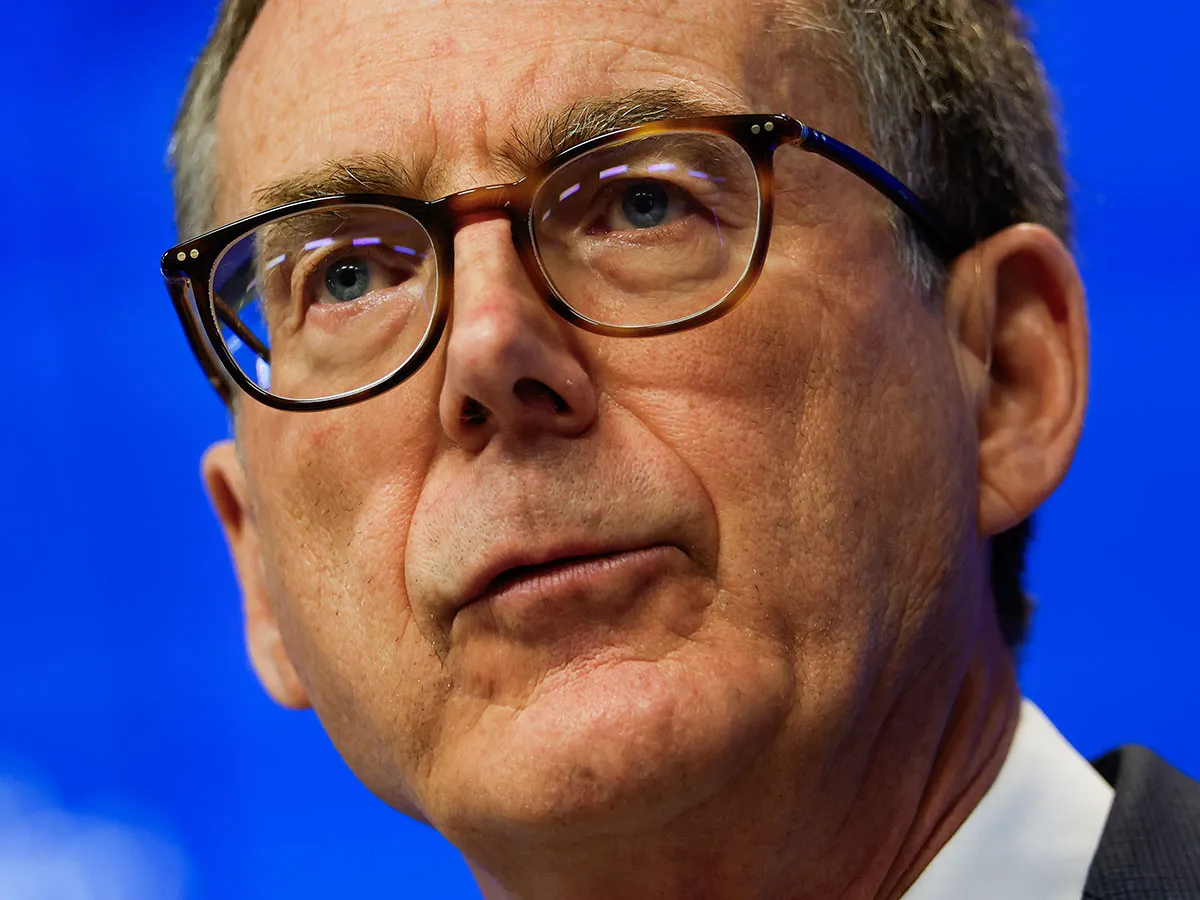
Bank of Canada governor Tiff Macklem says the persistent trade war with the United States and conflict in the Middle East could unravel the recent rebound in the Canadian economy and significantly slow economic growth.
“We are all operating in a world where structural change, geopolitical fragmentation and supply disruptions are becoming more common,” he said in a speech in Halifax on Monday morning.
Macklem said there is growing evidence that many businesses have adapted to the Section 232 levies and retaliatory measures since the trade war began in 2025.
Non-energy exports rose at an annualized rate of 14.5 per cent in the second quarter of 2026 — the highest level since early 2025 — while business investment rose at an annualized rate of 8.8 per cent. The Canadian economy also grew at an annualized rate of 3.3 per cent in the same quarter, slightly higher than the Bank of Canada’s expectations after a year of flat growth.
Companies have adjusted their supply chains and sourcing strategies to reduce their exposure to tariffs, according to the central bank’s quarterly Business Outlook Survey, while exporters have expanded their relationships with existing overseas customers to diversify trade.
“Taken together, these developments suggest the economy entered the summer in a stronger position. Growth had resumed, investment was picking up and companies were beginning to look beyond the headwinds to opportunity,” Macklem said.
But the breakdown in trade negotiations and renewed strikes in the Middle East have clouded Canada’s economic outlook.
The unpredictability of U.S. trade policy has increased uncertainty for households and businesses, which could once again lead companies to delay investment and hiring and stall economic growth.
Bank of Canada officials don’t expect the tariffs to have a large direct effect on the economy, but growth could be roughly halved in the fourth quarter to below one per cent. Canada’s counter-tariffs could also add costs for some businesses and eventually feed into consumer prices.
Elevated gasoline and diesel prices due to the conflict in the Middle East and the damage to global refining capacity also pushed Canada’s inflation rate higher for longer, raising the risk that inflation will broaden and pass through to other goods and services.
Inflation has hovered around three per cent for the past four months, and the central bank expects it to edge up in the near term if global oil prices stay near US$100 per barrel.
In its previous Monetary Policy Report published in July, the Bank of Canada said it expected the conflict to ease and supply disruptions to gradually normalize, which would lower global oil prices and eventually bring the inflation rate back down to the two per cent target.
Related Stories
 Canada
Canadian whisky lottery draws thousands as trade war shifts buying habits
41 minutes ago
 Canada
Suspect in shooting outside Belleville, Ont. synagogue has died
42 minutes ago
 Canada
CBC journalist says protesters tried to 'taunt and intimidate' him from attending Yom Kippur service
42 minutes ago
 Canada
Rents are dropping across Canada, but they’re falling more in tariff
42 minutes ago
 Canada
Canada to open world junior hockey championship against Switzerland in Edmonton
1 hour ago
 Canada
Military commander vows fast action on AI and robots, sees 'untapped potential' for Canada
1 hour ago
 Canada
Guy Turcotte, who killed his 2 children, denied supervised outings from prison
1 hour ago
 Canada
Supreme Court of Canada confirms plan to visit Halifax next September
1 hour ago