
Canada's economy stalls after three months of growth
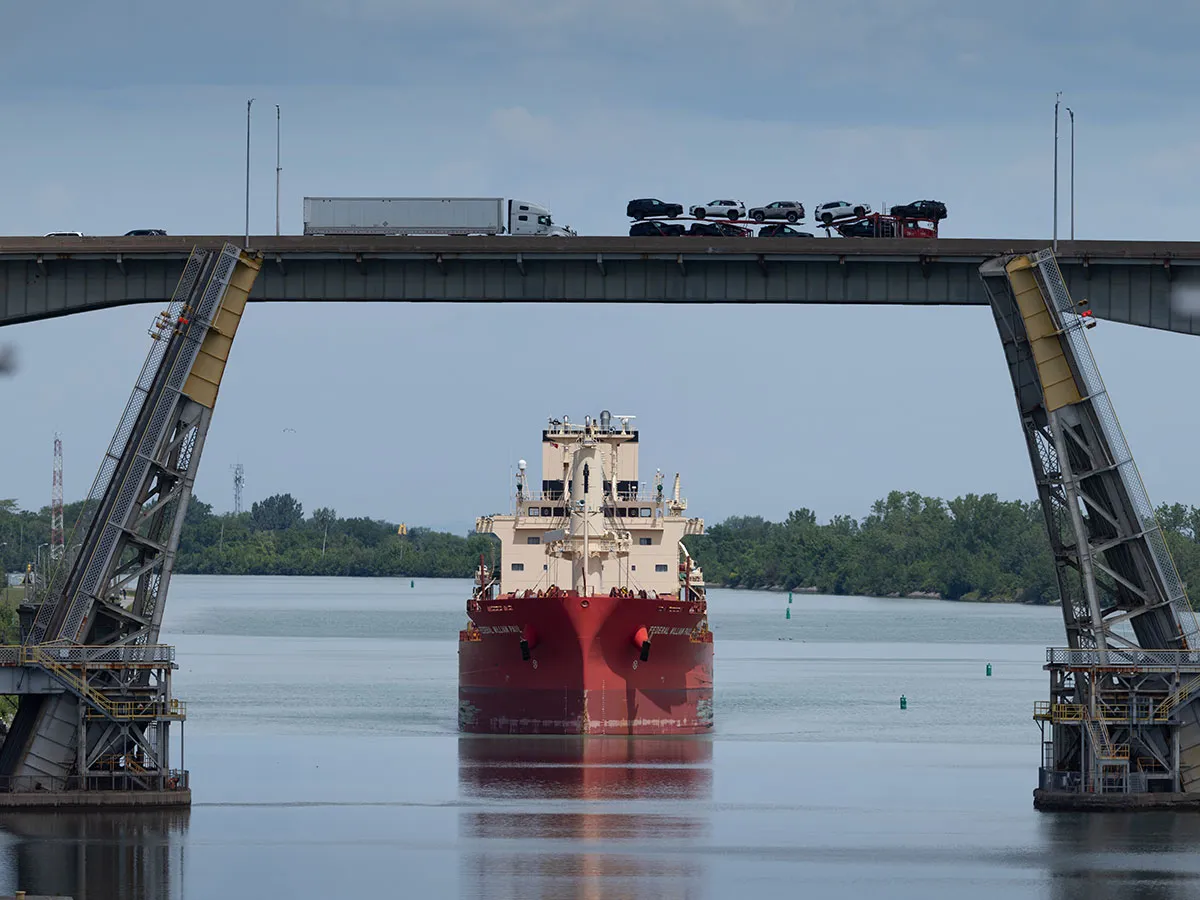
Canada’s real gross domestic product remained flat in July following three months of expansion, an early sign that economic growth may have slowed in the third quarter following a second-quarter rebound.
Gains in construction, 1.3 per cent, and utilities, 1.7 per cent, were offset by decreases in the manufacturing and mining sectors in July, as well as quarrying and oil and gas extraction — which contracted by 0.9 per cent and 0.5 per cent month over month, respectively. Contractions in retail and wholesale trade also offset some increases in services-producing industries, weighing on economic growth.
Overall, only 10 out of 20 subsectors expanded in July.
July’s flat growth came after the economy expanded by 0.4 per cent month over month in June and 0.3 per cent in May.
Flash estimates suggest the economy expanded by 0.2 per cent in August, led by increases in mining and quarrying as well as retail trade that were partially offset by decreases in oil and gas extraction.
“The numbers are a mixed bag, and there’s a lot of things happening under the hood when you look at the monthly GDP numbers. It took a break in July, but it was in line with what’s going on,” said LJ Valencia, an economist with Desjardins.
“The weakness was pretty broadbased, but it was offset by some of the strength that we’re seeing.”
Economists largely expect growth to slow in the third quarter of 2026 due to economic uncertainty from escalating trade tensions with the United States, after the economy rebounded and grew by 3.3 per cent on an annualized basis in the second quarter.
Deloitte Canada’s latest economic outlook suggests the recent levies are expected to sharply weaken growth in the final quarter of 2026 and into early 2027. Forecast tables predict the Canadian economy will expand by 0.9 per cent on an annualized basis in 2026 and by 1.6 per cent in 2027.
Household and business confidence will also remain subdued due to the persistent threat of tariffs and additional trade measures, the report said.
“The past monetary tightening cycle and successive rounds of trade tensions have taken a toll on the Canadian economy. The most prominent weak spot in our economy continues to be business non-residential investment,” wrote Dawn Desjardins, Deloitte Canada’s chief economist.
Abbey Xu, an economist with RBC Economics, said she isn’t putting too much weight on a single month’s data, especially since flash estimates suggest a rebound in August.
Part of the decline in July also seems temporary, she noted, referencing some unplanned downtime at a southwestern Ontario oil refinery that led to a decrease in production.
RBC is still forecasting 1.8 per cent annualized growth for the third quarter of 2026.
“We need to see persistent weakness for a few months before calling it a broader deteriorating economy. So far, everything is pretty consistent with a gradual recovery story for Canada,” Xu said.
Most economists say the Bank of Canada will likely stay on the sidelines for now before hiking rates in 2027.
“The U.S. tariffs and the counter-tariffs that were introduced in the beginning of September will have modest upward pressure on prices. Energy prices are still elevated, and there’s no certainty to when that conflict will actually end,” Valencia said.
“If real GDP growth comes out stronger than what we expected, that could put pressure on the Bank of Canada to change its interest rate sooner than our current call, but that’s if things stay where they are,” he said.
Xu said the full impact of the tariffs likely won’t show up until September’s data and they still pose a downside risk for economic growth. However, the broader macroeconomic impacts will likely be contained because the levies will only significantly affect a small handful of sectors.
Core inflation measures are also sitting near the two per cent target, which means higher energy prices haven’t spilled over to broader inflation just yet, despite the elevated overall inflation rate at three per cent, she added.
“I don’t think today’s report materially changed the Bank of Canada story … Our base case is still that the Bank of Canada will remain on hold for the remainder of 2026 before gradually hiking at the start of 2027.”
Related Stories
 Economy
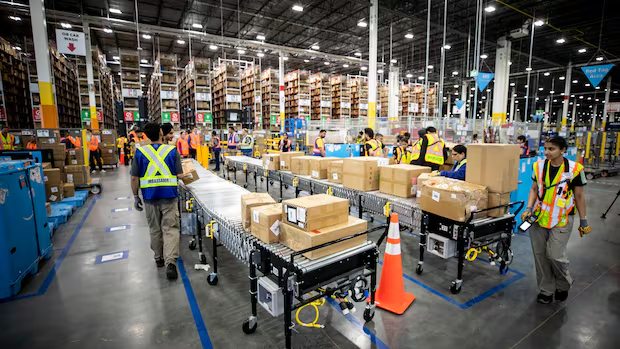
Deloitte Canada cuts GDP forecast by 20% as tariffs grip economy amid Trump's trade war
6 hours ago
 Economy
Why gold and silver prices are on the decline as bond yields rise
10 hours ago
 Economy
‘The weaker he gets, the more dangerous he gets’: Trump lashes out as his power wanes
3 days ago
 Economy
Where things stand after Iran's new pitch for a deal to open the Strait of Hormuz
3 days ago
 Economy
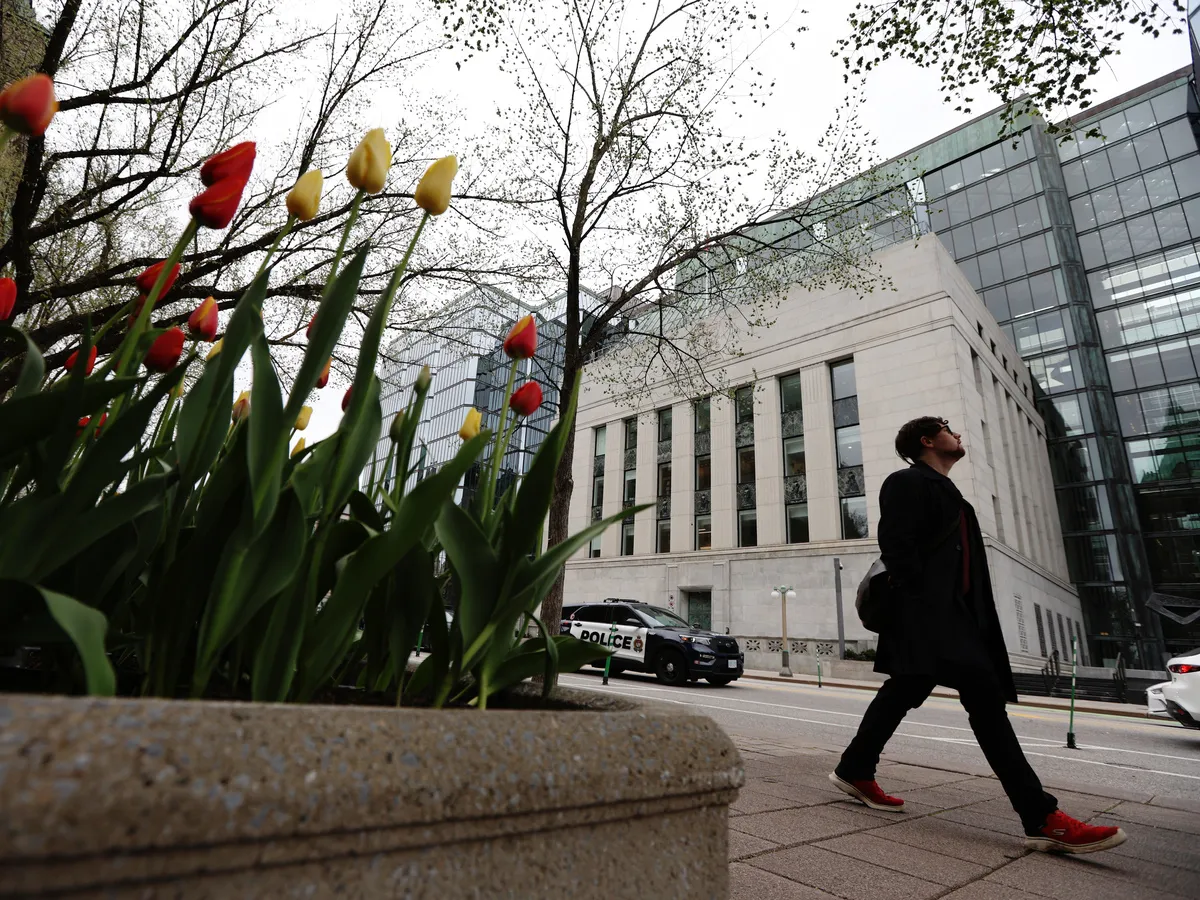
Jack Mintz: Higher real interest rates are very bad news
3 days ago
 Economy
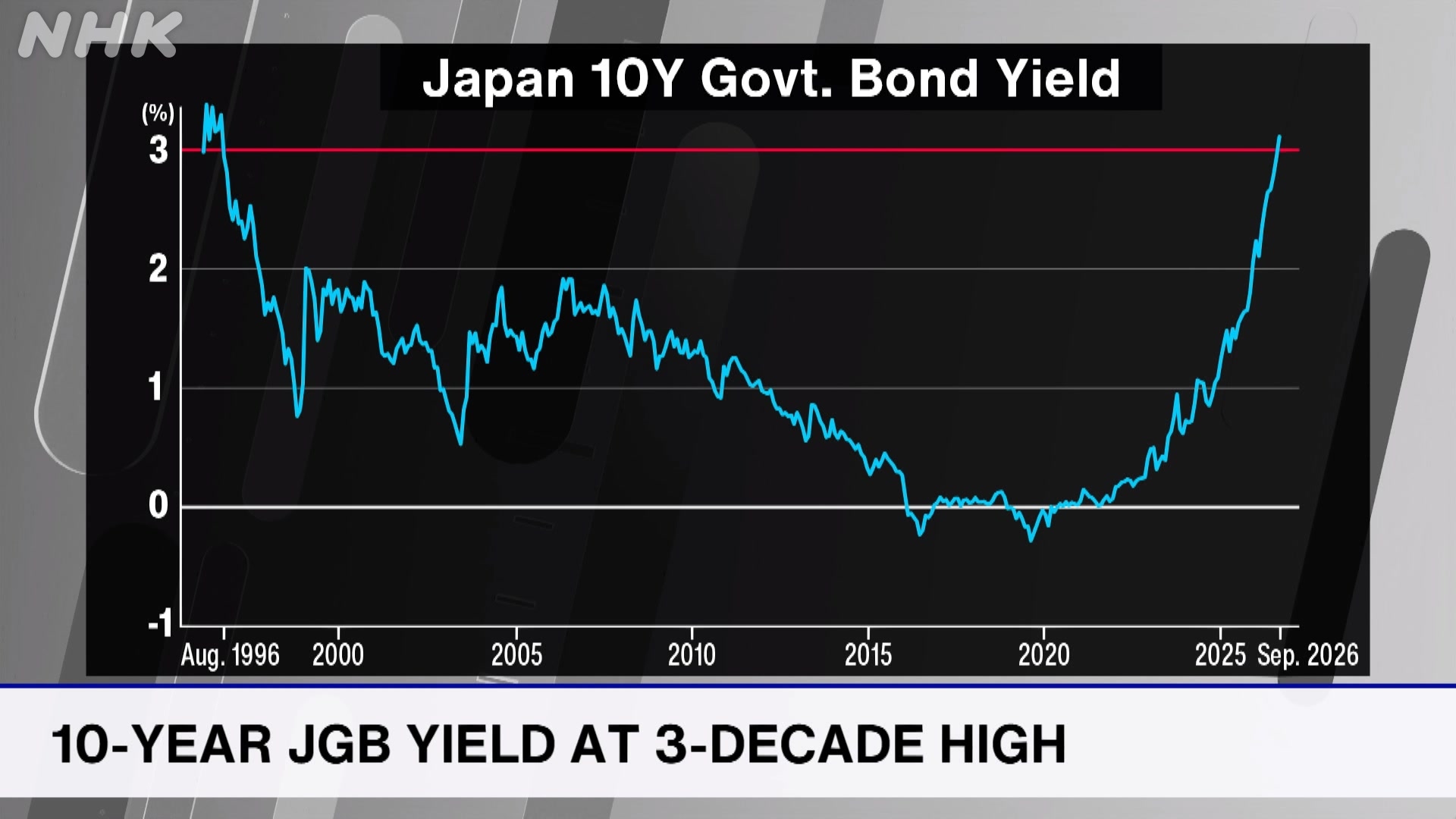
10-year JGB yield at 3
4 days ago
 Economy
A U.S. bond yield hit 5.1% for 1st time in 19 years. Here’s what it signals
4 days ago
 Economy
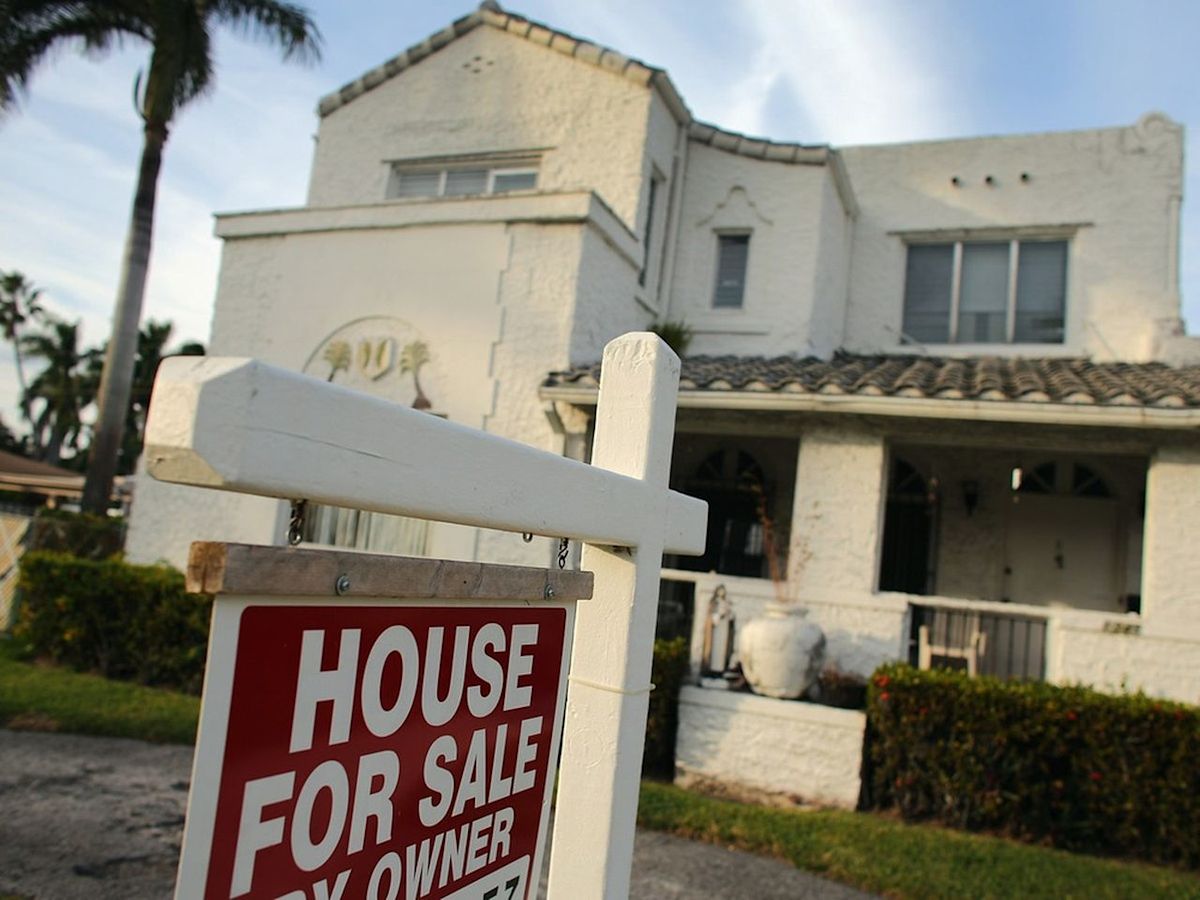
High borrowing costs push down American housing sales
5 days ago