
COP31 failed future generations, says PM Davis
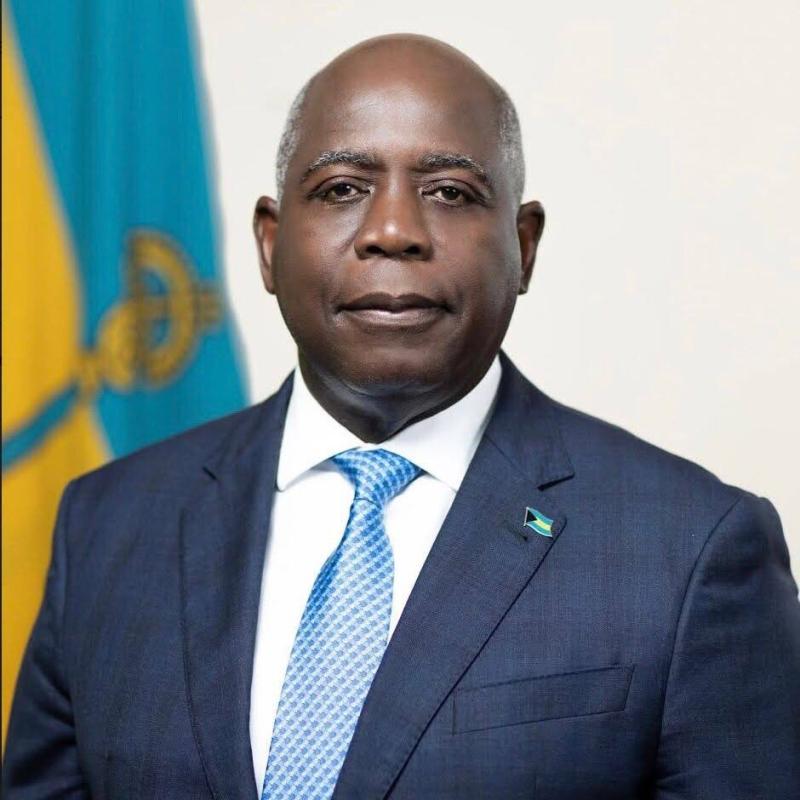
Bahamian Prime Minister Philip Davis has said that the United Nations Climate Change Conference (COP31) in Antalya, Türkiye, “failed future generations”, criticising countries that sought to persuade small island developing states “to accept that failure in silence”.
“We reject it, and we will say so in every forum open to us. After almost two days of overtime, the longest climate conference on record ended in Antalya without a final agreement. For the first time since Copenhagen in 2009, the nations of the world could not agree on what to say about the greatest danger they share,” Davis said.
He argued that narrow self-interest lay behind the failure and accused a small group of fossil-fuel producers of putting profits ahead of people.
“A small number of oil and gas producers put their revenues ahead of the safety of billions of people.
“They used the rule of consensus, a rule meant to give every nation an equal voice, as a weapon to strip the cause of the crisis from the text.”
COP31 ended on Sunday without a final agreement after two weeks of negotiations and two days of overtime failed to break a deadlock over fossil fuels and climate finance. COP31 president Murat Kurum acknowledged that there was no consensus on the proposed text, known as the Antalya Pact or Antalya Accords, leaving the summit without an adopted cover decision.
On Monday, the 15-member Caribbean Community (CARICOM) expressed “deep disappointment” that the conference had failed to reach agreement on a cover decision setting out the urgent action needed as the world approaches warming beyond 1.5°C.
Davis noted that, three years ago in Dubai, countries agreed by consensus to transition away from fossil fuels in their energy systems.
“In Antalya, they could not bring themselves to write those words again. The final text did not mention fossil fuels at all. The draft would have recorded, for the first time in a United Nations decision, that the world is on course to break the 1.5°C limit. On the same page, they refused to name the cause or acknowledge it. It dropped the proposed target of US$120 billion a year to help vulnerable nations adapt.”
Davis said this “is the text small states were asked to sign”, noting that CARICOM, “negotiating as its own bloc at a COP for the first time”, refused to accept it.
“So did the Alliance of Small Island States. They were right. Had they signed, they would have accepted their own harm in writing. The Bahamas, a member of both, stood with them.
“The heaviest cost of Antalya falls on people who were not there. The generations who will inherit this planet had no seat at the table. They depend on those of us in the room to speak for them. They will live with every word that was struck from that text.”
The prime minister said the treaty that brought countries to Antalya contains a promise to future generations.
“Its first principle asks every party to protect the climate system ‘for the benefit of present and future generations of humankind’. Last year, the International Court of Justice unanimously confirmed that states carry binding obligations under international law to protect the climate system. In Antalya, those obligations were traded for the profits of the present.
“This failure will outlive everyone in this room. It will outlive our generation. The sea will go on rising for centuries, even after emissions stop, because the deep ocean and the great ice sheets respond slowly to the heat we add today. Every year of delay fixes a burden on people who will live centuries from now, and they will have no way to send it back.”
Davis said those who blocked progress had “misjudged even their own interest”.
“The sea is rising on their coasts too. The heat is reaching their cities too. Their own children and grandchildren will inherit the world their delay is building,” he said.
Recalling the work of the late Guyanese statesman Sir Shridath Ramphal, Davis noted that Ramphal’s 1992 book for the Earth Summit was titled Our Country, The Planet.
“Wherever we live, we share one atmosphere and one rising sea. Small nations have always understood that. In Antalya, too many nations negotiated as if the atmosphere had borders and the sea respected flags.
“Small island states produce less than one per cent of global emissions, yet we carry the weight of a crisis we did not cause. We have brought plans, commitments and patience to three decades of these talks. Antalya exhausted that patience.
“We will return to the table, because it remains the one place where a small nation can stand as an equal. We will keep our names off any text that asks our people to accept their own harm. With our partners in CARICOM and the Alliance of Small Island States, we will press for real results by the end of 2027, when the world meets in Addis Ababa for COP32.”
Davis said future generations would judge today’s leaders by whether they acted when they understood the stakes.
“Generations not yet born will ask whether we acted when we knew.
“Antalya gave them a shameful answer. Addis Ababa must give a better one,” he added.
Related Stories
 World
'World
1 hour ago
 World
A constrained Trump is good news for the world economy
2 hours ago
 World
Manitoba premier says no special treatment for First Nation
2 hours ago
 World
My family died in Ukraine. My mum blamed Zelensky's troops
3 hours ago
 World
Film "Mamsous" Gets New Poster and Release Date
3 hours ago
 World
The good news out of Cop31? That most of the world’s governments said no to an agreement stripped of meaning
4 hours ago
 World
Woman who died in Squamish boating tragedy loved life, animals, family says
4 hours ago
 World
WHO chief urges end to US fuel blockade on Cuba
5 hours ago