
Silicon Speech: Should the First Amendment Protect Artificial Intelligence?
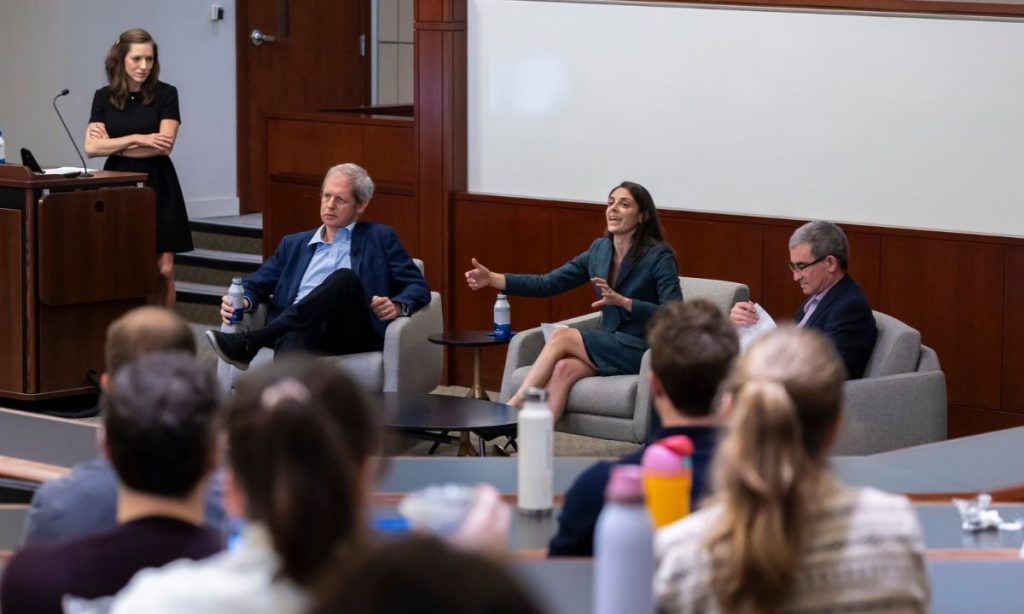
Silicon Speech: Should the First Amendment Protect Artificial Intelligence? – A Respectfully Dissent Series Debate
Three First Amendment experts faced off on whether and to what extent AI speech is constitutionally protected from government regulation. Moderated by Professor and Associate Dean of Research Jennifer Shinall, the debate featured Eugene Volokh of The Hoover Institution at Stanford University, Alex Tsesis of FSU College of Law, and Francesca Procaccini of Vanderbilt Law.
Extending First Amendment Protections to AI
The debate kicked off with each professor explaining their initial position on AI speech rights.
Volokh argued that government regulations of AI outputs should be subject to the same First Amendment rules as other speech, because users of AI have rights. For example, he noted that rules do not limit the rights of camera manufacturers when people record in public places.
“AI output is a joint effort on your part and the AI company’s part, and it should be protected precisely because of that. From your rights as a speaker when you’re trying to generate things that you want to communicate to the public to your rights as a listener and information gatherer,” he said.
Tsesis argued that, because large language models (LLMs) lack the consciousness, intentionality, and reasoning of the human mind, AI should preserve the rights of natural speakers and legislatures should have meaningful latitude to require human oversight.
“In light of the dangers of new generative AI technology, federal laws should require periodic but consistent and random platform monitoring, restrict data scraping, and establish safeguards against the intrusions that arise from autonomous, machine-made decisions into private matters,” he contended. “In the US, any restriction on AI will likely be subject to stringent First Amendment review in a reductive, formalistic, judicial environment where content restriction is subject to strict scrutiny analysis.”
He emphasized that freedom of speech should only be afforded to humans and not to LLMs, which lack empathy, dignity, and individuality.
Procaccini offered a middle ground.
“My suggestion is that you can doctrinally get at the problems [of AI] without sacrificing its potential by drawing on something distinct in First Amendment law: distinguishing between coverage and protection,” Procaccini explained.
She advocated for a model whereby First Amendment rights can attach to AI-generated content without having a strict-scrutiny-style level of protection traditionally reserved for people – a different level of protection that focuses on the context-specific harms of AI, from autonomy to privacy, while preserving AI’s democratic-enhancing features. Procaccini argued this position is the best option because it focuses less on the nature of the speaker and more on the nature of the law regulating speech.
How does the “human in the loop” of AI content trigger First Amendment protections?
Defending his position, Tsesis addressed the question of whether intentional human usage of AI should fall outside of speech restrictions. He established that significant AI progress is achieved independently of human programmers and thus would not fall under the First Amendment. When people are involved in the development process, AI content should still be regulated.
“Even when humans are in the loop, the civic and commercial benefits of these technologies go hand in hand with the risk generated by deep fakes, subliminal messaging, real-time unauthorized facial recognition, social scoring, stereotyping, and exploitation of economic and social vulnerabilities such as age, race, sexual orientation, and so on,” Tsesis said. “Ultimately, human audiences’ interest in AI cannot be the final say, just as it cannot be in securities regulations and antitrust provisions.”
Procaccini echoed Tsesis’s concern about generative AI running unregulated but also cautioned against overlooking the constitutional and democratic value AI outputs can provide.
“The value is in the ideas shared, and that is still something that is worth protecting as long as we’re protecting it in a tailored way,” she explained.
Procaccini also emphasized concerns about the potential for censorship and suppression if regulations are made without intention.
Volokh argued that each concern about AI should be viewed through current laws that perform quite well without restricting speech. He offered an example: AI using discriminatory algorithms for sales or employment. He noted there is no First Amendment problem with telling AI not to discriminate, just as there is not one with telling an employer to do the same.
What justifies a lower level of First Amendment protection for AI-generated expression?
Posed with how to build a First Amendment doctrine that is not highly subjective or policy-laden, Procaccini emphasized the current complexity of speech restrictions.
“Off the bat, I would dispute that characterization of the doctrine to begin with. First Amendment doctrine is not tiered in the traditional way that we think it is,” she said. “It’s very complex… Each speech context is governed by its own very contextual speech doctrine, and most of those free speech doctrines provide some level of intermediate scrutiny. I would say that what I’m doing is nothing different from a very proud and workable tradition of free speech protection, right?”
She highlighted how free speech functions differently in schools, government offices, private workplaces, and beyond. Like those spaces, AI-generated content would fall under its own epistemic context.
Volokh, in contrast, argued that Procaccini’s doctrine would set up new rules that would depart substantially from current ones, creating confusing restrictions with unknown consequences.
Tsesis also critiqued Procaccini’s approach, noting that AI has a number of other regulations dealing with content, including rules on disclosure requirements and intermediate scrutiny in commercial speech areas, that would not necessarily be covered by a doctrine.
If AI-generated content receives full First Amendment protection, whose constitutional rights are actually protected?
Volokh addressed how his stance would balance and address harmful AI outputs. He emphasized again that, while AI does not have rights, companies have rights to promote the messages they want, and users have rights to generate the information they want without undue interference by the government.
He also agreed with Procaccini on the already complicated nature of First Amendment law, underscoring libel laws, rights of minors, and malpractice regulation for lawyers and doctors that could also apply to AI.
“[First Amendment law] already has a lot of rules that allow certain kinds of restrictions. They just have the advantage of familiarity,” Volokh said. “It’s not buying a pig in the poke. We know roughly where they are and the problems with them.”
Tsesis circled back again to how AI is a computational model, whereas minds are semantic. Programs are not sufficient enough to be minds and thus should not be controlled by the value of speech.
Procaccini cautioned against accepting that traditional legal claims might get at the harms and risks of AI.
“Traditional property law, civil rights law, tort law — I have a track record of seeing the Supreme Court manipulate all of those bodies of law when they run up against the First Amendment,” Procaccini explained. “What’s to say that the court won’t take all of these traditional 1L class legal claims and remove them from our toolkit.”
She also plainly said that some dangerous speech should be regulated in a checked way. However, uncertainty of those regulations should not be the death to a new and exciting doctrine for the First Amendment.
“Respectfully Dissent” presents renowned national scholars on opposing sides of a particular issue. The goal of the series is to highlight cutting-edge perspectives that draw out diverging, fresh viewpoints, areas of contention as well as agreement, and lawyerly argument, while always ensuring respectful dialogue between participants.
Watch the full lecture below or on our YouTube:
Related Stories
 AI News
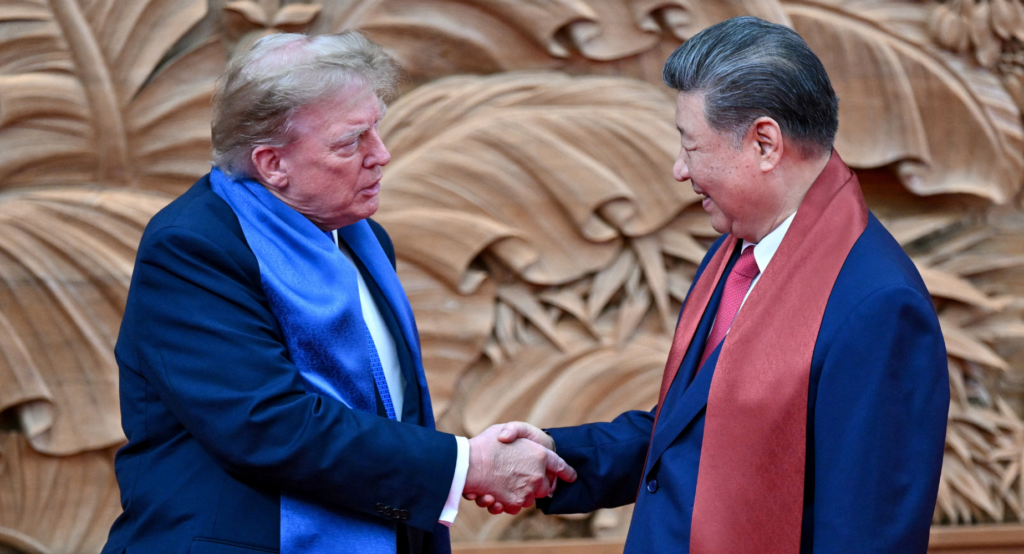
Can the United States and China Cooperate to Control Artificial Intelligence?
17 minutes ago
 AI News
Côte d’Ivoire partners EBRD to accelerate artificial intelligence development and digital innovation
18 minutes ago
 AI News
Currys talks key Meta Muse learnings as retailer tests out AI tool ahead of UK launch
1 hour ago
 AI News
Indian AI specialist Fynd bags first major retail customer win in the UK as N Brown comes onboard
1 hour ago
 AI News
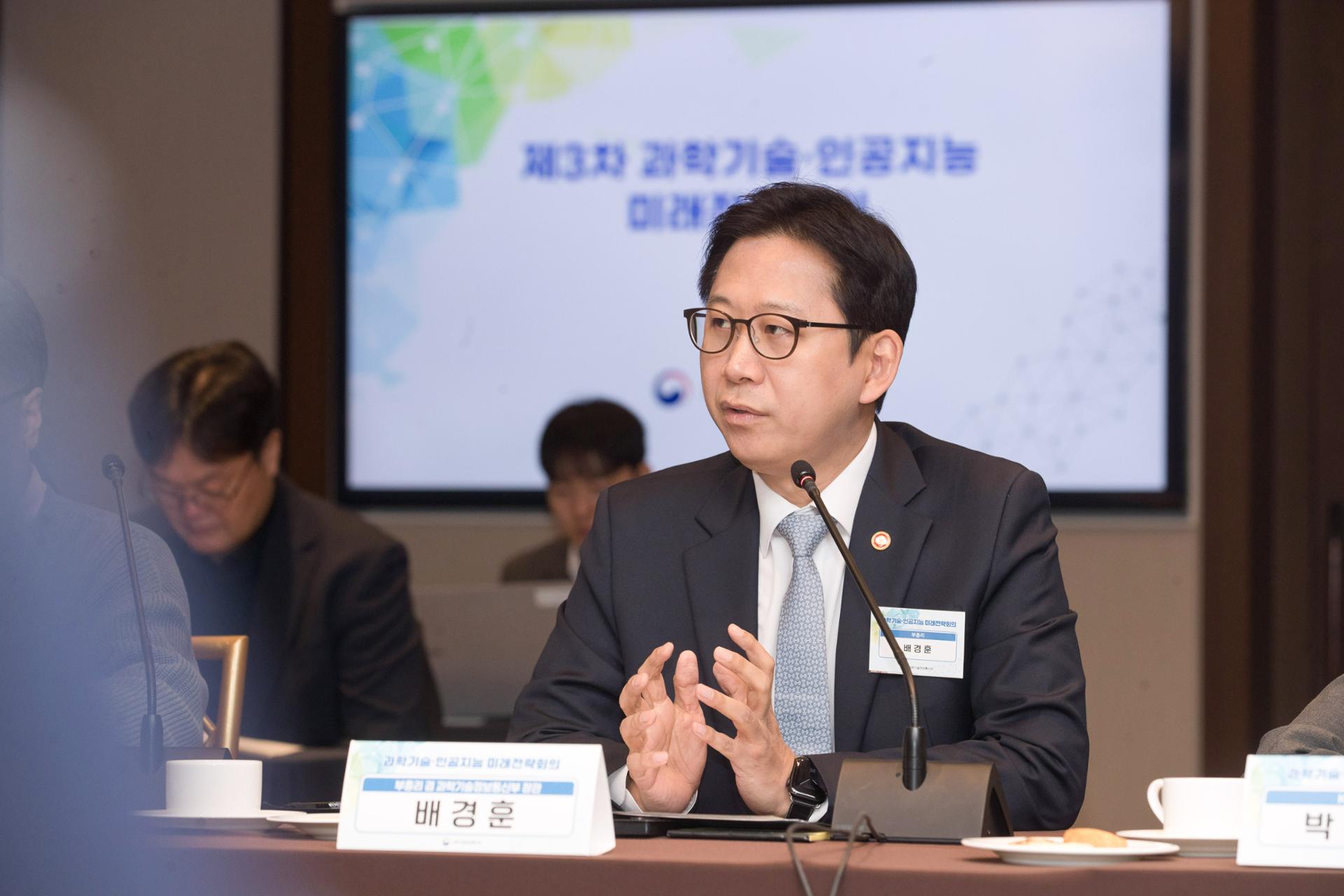
Gov't reviewing various technologies to prevent AI
1 hour ago
 AI News
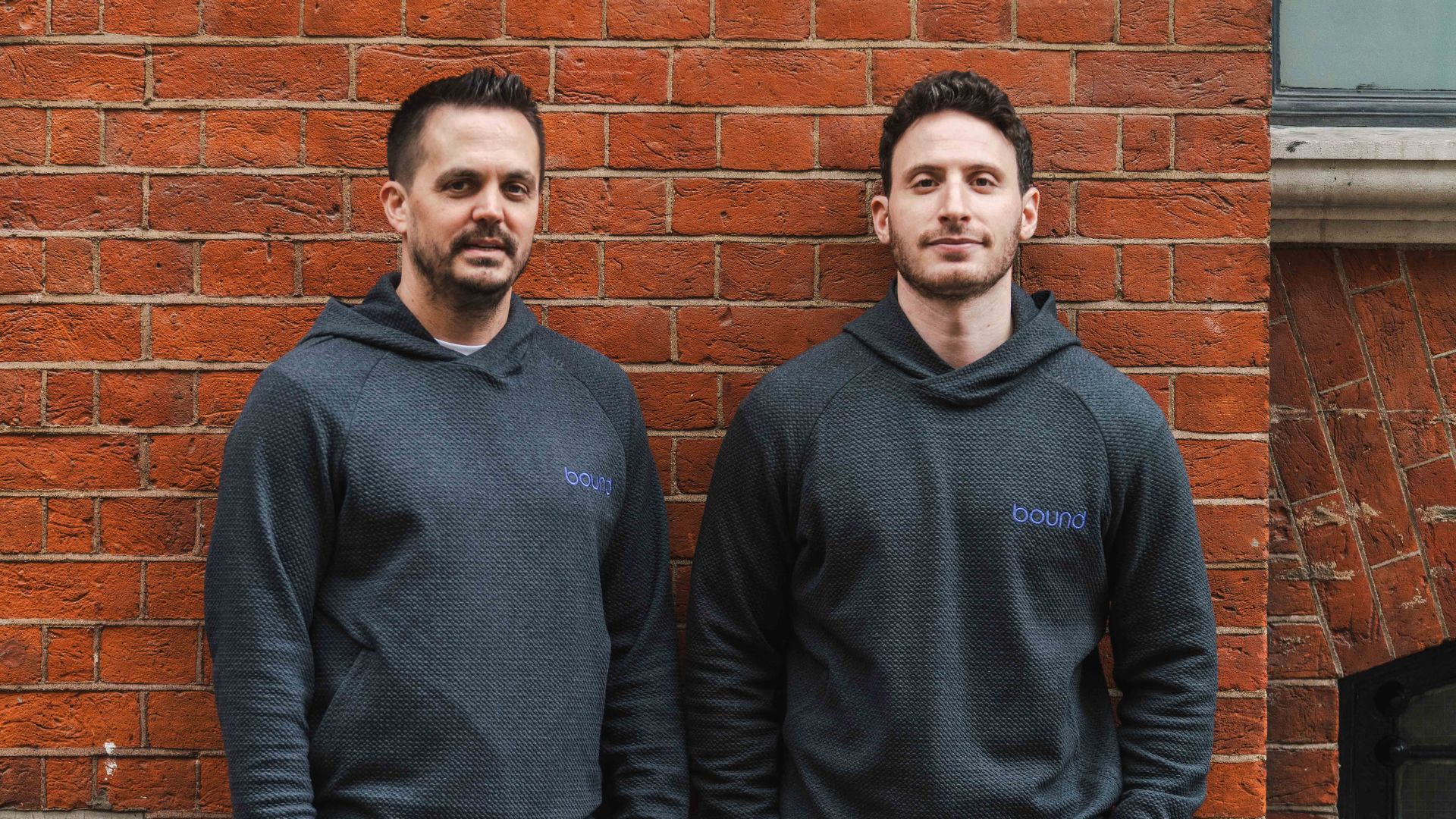
London-based Bound secures €45.68 million debt facility for its AI-powered FX risk management platform
2 hours ago
 AI News
State lawmakers to host informational briefing about artificial intelligence innovation
2 hours ago
 AI News
Nvidia's AI Financing Deals May Face Tighter US Scrutiny Over Financial Stability
2 hours ago