
Customer data startup Paperbark signs Unilever brands to tackle ecommerce sales gaps

They teamed up in August 2025. Antoine had previously helped grow two Instant products from zero to $1 million in annual recurring revenue. Simic previously built customer data models at VGW and Cashrewards.
Six months later, a month after raising $120,000, they killed the product. The problem they set out to solve had its own problem: on Maslow’s hierarchy of product market fit, they’d built a ‘nice to have’ rather than ‘must have’. And the brands using the free pilot gave them “false positives” about the idea – they weren’t going to pay for it.
The duo baked what they’d learned into Paperbark’s first pivot in March this year, building a generalised agent to handle a range of ecommerce challenges, from marketing to profitability analysis.
Seven brands signed on for a second, paid pilot, and by June had converted one to a contract. But then they realised they were on what Antoine calls the “Palantirization” path – a trap AI startups fall into, where, without large government and defence contracts, the numbers down stack up.
Six months into a 12-month runway, they decided to focus on single, core problem. More than 100 meetings with customers across 48 brands resulted.
The turning point came in July, when Kellie Bailey head of ecommerce and retention at Onnit, a US holistic wellness and lifestyle brand Unilever acquired five years ago (and used by Joe Rogan), described a key gap in her team’s understanding: “I don’t know what our customer’s journey looks like after the ad converts.”
Simic rebuilt the product around that problem. In August, Paperbark passed Unilever’s security review and signed on Onnit and Olly, shedding customers that no longer fitted that focus.
Antoine, Paperbark’s CEO, had witnessed the problem repeatedly during five years in ecommerce marketing technology, including at Blackbird-backed Instant.
“The thing I kept seeing there was brands with enormous amounts of customer data and no way to use it on the customer in front of them,” he said.
Paperbark flags customer journeys that warrant attention and lets marketers explore others using plain language. It recommends follow-up actions, which users can approve for execution through their existing tools.
It gives marketing teams a clearer picture of each customer from information scattered across online stores, email systems, help desks, loyalty programs and reviews.
The Sydney startup’s platform helps retailers spot missed sales and understand why customers stop buying.
The reasons can be exasperatingly simple. Antoine recounts how one brand identified 10,500 customers who had requested restock notifications through support tickets, but never received them, representing around $2.1 million in missed sales. Then there’s the workwear brand, who found a customer who’d spent $30,000 on gear, waited nine days for an AI-generated response to a support ticket, and hadn’t bought again 17 months later.
The duo are building Paperbark to do things like sending a reminder to customers around the timeframe they typically buy a particular product again.
Watchful founder Josh Parsons backed the pair $120,000 in January, and as they gear up with Paperbark 3.0, a new round of capital is being considered.
The next step is refining the product from the pilots feedback, with further Unilever brands a potential market.
“We are so excited to pilot Paperbark to connect the dots on our complex omnichannel business,” Olly’s director of DTC, martech anddigital compliance, Jennifer Peters said.
“We expect to triangulate data and unearth insights about our customers from many sources in ways we have yet to imagine.”Onnit’s Kellie Bailey says Paperbark is “the missing piece of the stack that ecommerce needs”.
“Any brand thinking about their retention strategy should be looking at this!” she said.
Turns out understanding what a customer wants and when they want it works just as well for building a startup as it does in ecommerce.
Related Stories
 Business
Ex
1 hour ago
 Business
As federal budget nears, Canada’s health ministers to meet to talk funding
3 hours ago
 Business
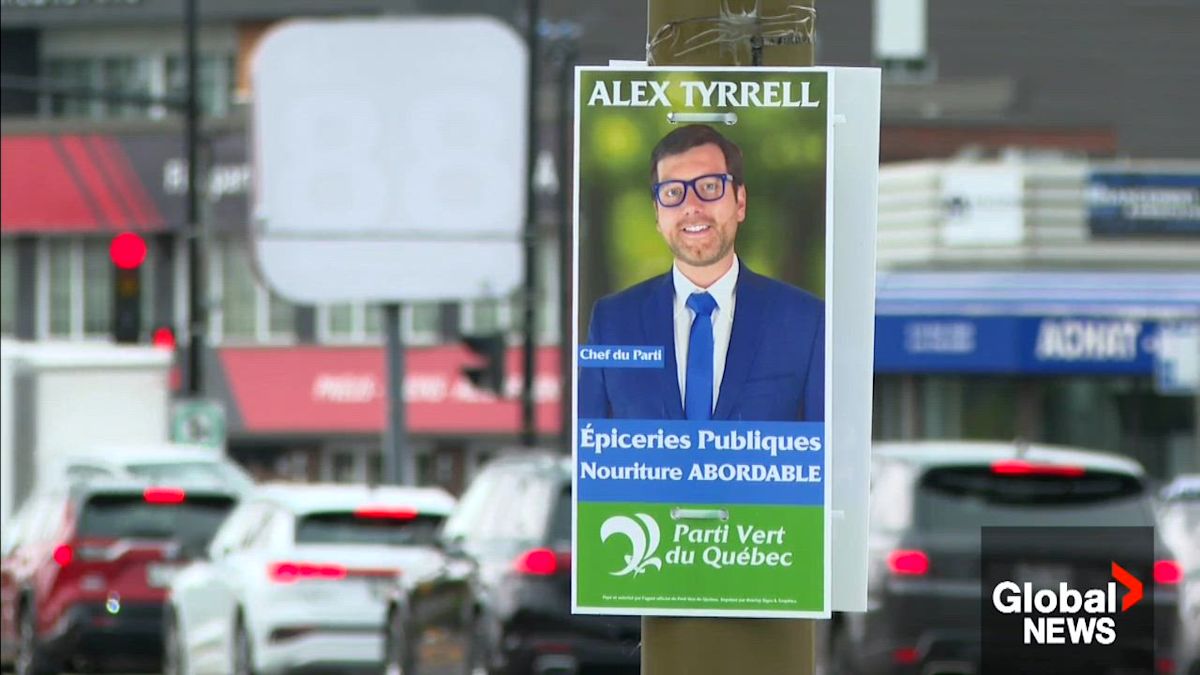
How many political parties are running in Quebec's election?
4 hours ago
 Business
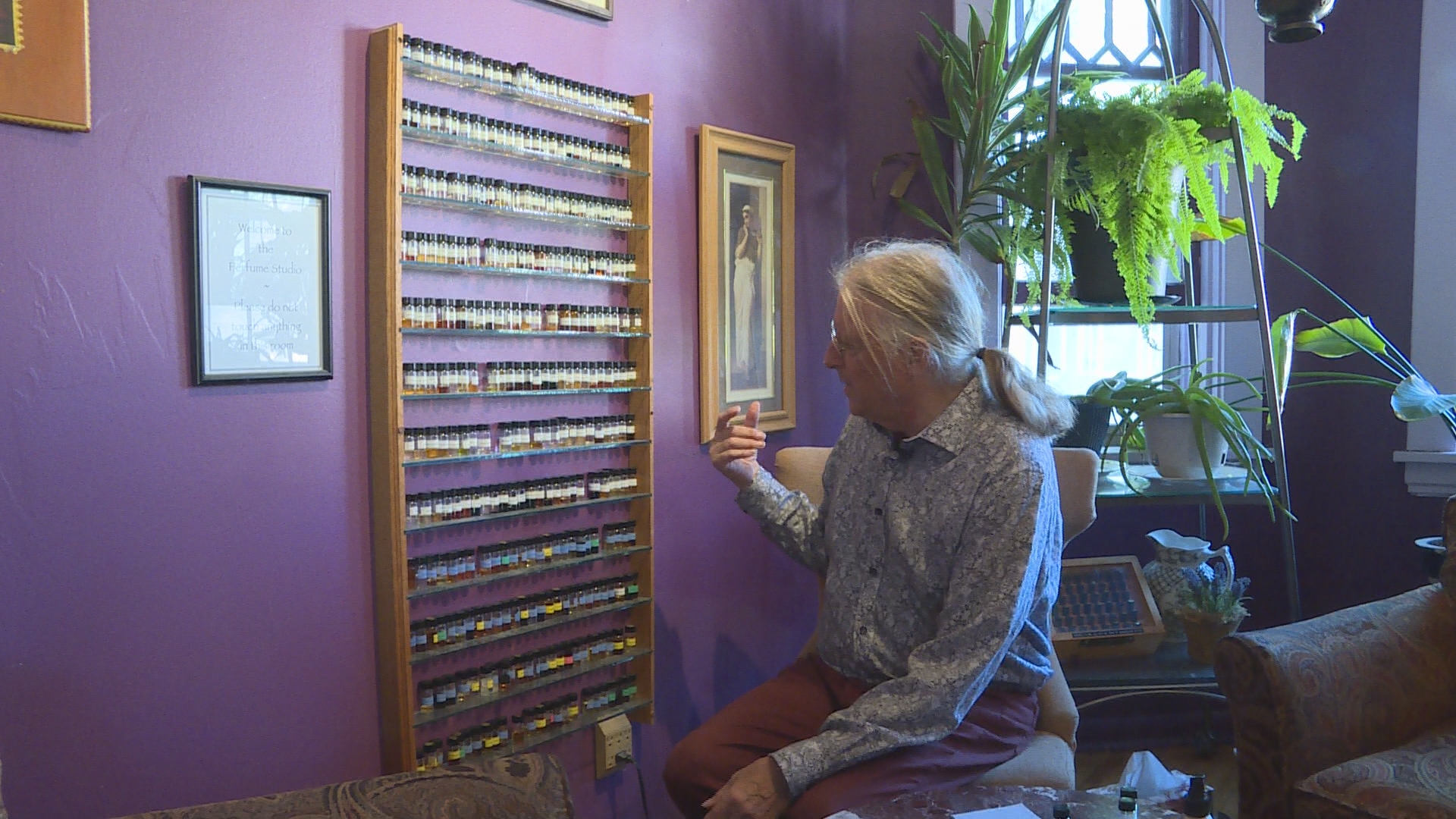
Winnipeg perfumery ordered to close doors again
7 hours ago
 Business
U.S., China to slash tariffs on goods worth US$30B after Trump-Xi meeting
8 hours ago
 Business
After 246 days in Hamas captivity, Israeli special forces rescued Noa Argamani and carried her by helicopter to a hospital outside Tel Aviv. There, a doctor turned to her and said, "Noa, we're really happy that you're here with us." At 25, Argamani h...
8 hours ago
 Business
I raised $200K on Kickstarter for my new business. The lessons from preparing the campaign were invaluable.
9 hours ago
 Business
$364m Startup Boom: Nigeria Faces New Test Beyond Venture Capital
10 hours ago