
Descendants seek displaced Treaty 6 band's recognition by Canadian government
Descendants seek displaced Treaty 6 band's recognition by Canadian government
'They were a community at one time and a decade later they were dispersed,' says descendant
A century and a half after Chief Chippewayan signed Treaty 6, descendants of his band want to be recognized as a First Nation again, and justice after having their reserve lands given to settlers.
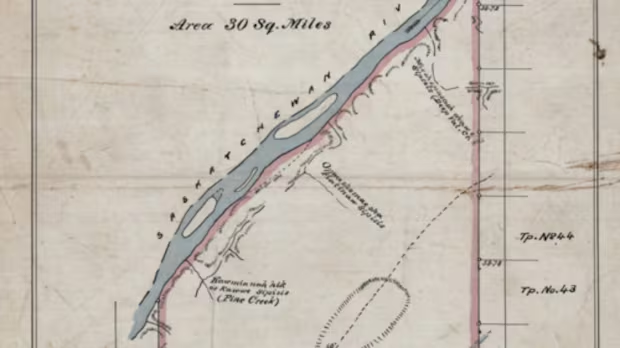
The band, now known as Stoney Knoll First Nation, once had 30 square miles (about 77 square kilometres) of land near present-day Laird, Sask., about 300 kilometres north of Regina.
The government started withholding treaty annuity payments from band members in 1885 because it suspected members had participated in the Northwest Resistance.
When people left temporarily to look for food, the band was removed from government records and the land was given away. Members were absorbed into various First Nations communities.
"[The government] did that with no consultation or consent, from the headman or chief at that time ... and it was illegal what they did," said Gary LaPlante.
LaPlante, from Moosomin First Nation, is a descendant of the Young Chippewan band and got involved in getting the band recognized in 1980 after hearing stories from his mom about the band's history.
"They were a community at one time and a decade later they were dispersed," said LaPlante.
"Since then that's been my task in life. I'm passionate about it; I want to see a resolution."
LaPlante said because Stoney Knoll is not a recognized band, Thunderchild First Nation filed a specific claim on its behalf in 2022.
In 2024, the Canadian government offered to negotiate the claim but LaPlante said progress stalled due to the requirements that they must identify dispersed descendants and conduct genealogy research.
"To be recognized as a valid claim was a huge step," said LaPlante.
"That's well over 100 years in the making kind of thing to come to that point."
Saskatchewan's 'landless bands' fight for recognition, reconciliation
LaPlante said there is need for financial resources to continue the work to get restorative justice for the descendants. They are hoping to get the support from the government and the Battleford Agency Tribal Council.
LaPlante said there are descendants in the central Saskatchewan communities of Thunderchild First Nation, Ahtahkakoop Cree Nation, Sweetgrass First Nation, Moosomin First Nation and potentially more.
CBC Indigenous reached out to the chief of Stoney Knoll First Nation but she was unable to give a statement at this time.
In a statement, a spokesperson for Indigenous Services Canada said the department is in talks with Stoney Knoll First Nation to explore options to get band recognition and that it is a complex process that can take a number of years to complete.
"While the overall process is dictated by legal, administrative, and legislative requirements, each process is also a collaborative effort between the Government of Canada and the communities involved," the statement said.
The statement said there are three ways that a collective can be recognized as a band under the Indian Act: the division of a current band into two or more bands, the merging of two or more current bands into one band, or the creation of an entirely new band, made up from a group of previously unrecognized individuals.
In recent years, most newly recognized bands have come into being through the division of an existing band, said the statement.
Louise has been a journalist with CBC since September 2022. She is Nakota from Ocean Man First Nation. She holds a bachelor of fine arts from the First Nations University of Canada. Louise can be reached at louise.bigeagle@cbc.ca.
Related Stories
 Canada
LeBlanc and Greer to meet in Washington hours before tariff deadline. Live updates here.
37 minutes ago
 Canada
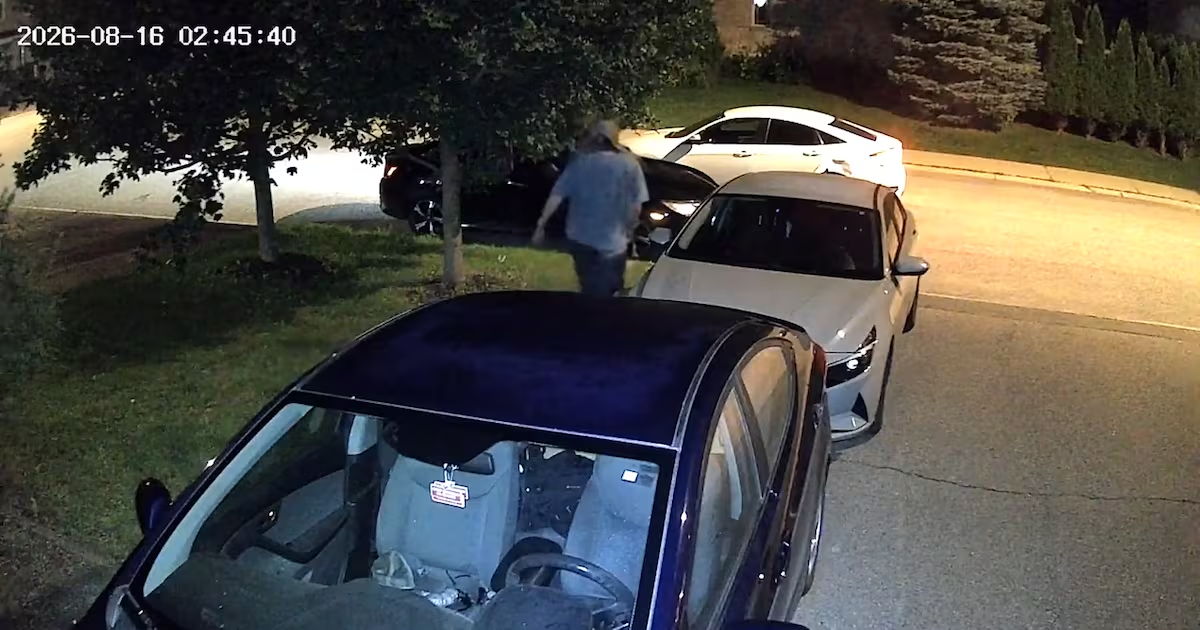
‘It’s very unnerving’: Ottawa mom warns after alleged incident involving Uber Eats driver, child
37 minutes ago
 Canada
Justin Ling: Mark Carney may be on the verge of making an unwise concession to Trump
37 minutes ago
 Canada
Drug trafficking suspects sought by U.S. may seek trial in Canada instead
1 hour ago
 Canada
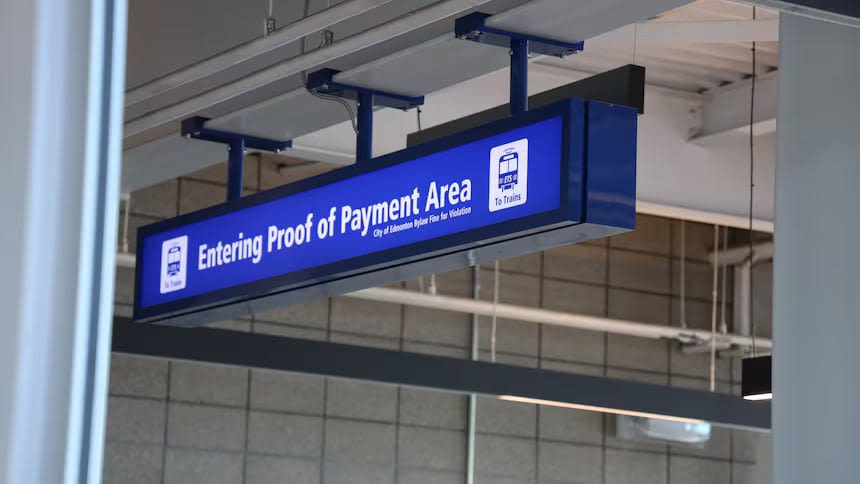
Edmonton to revisit fare gates at LRT stations
1 hour ago
 Canada
First Up: Carney battles two fronts to get a trade deal with fewer tariffs as Canada braces for more Trump impact
1 hour ago
 Canada
Canada, U.S. race to reach a trade deal before midnight tariff deadline
1 hour ago
 Canada
Reports: DEA joins investigation into Hayden Panettiere’s death
2 hours ago