
Diwali Joins UNESCO's Intangible Cultural Heritage List: The 'Sweet 16' Of Indian Culture & What It Means For Our Living Traditions
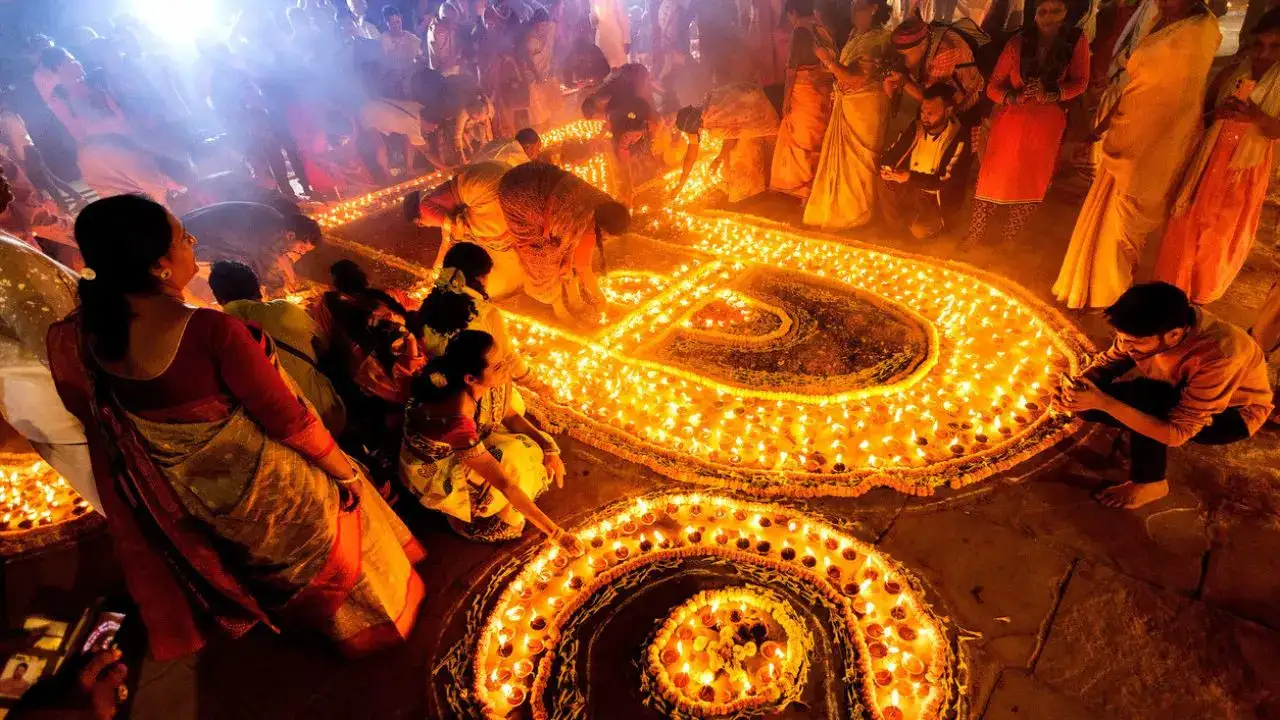
When UNESCO announced in Delhi that Deepavali had been added to the Representative List of the Intangible Cultural Heritage of Humanity, it marked a significant milestone not just for the festival, but for India’s broader cultural diplomacy. The declaration came during the 20th session of the Intergovernmental Committee for the Safeguarding of Intangible Cultural Heritage, held for the first time in India and hosted at the Red Fort from December 8–13, 2025. The setting was symbolic as a historic fort representing India’s tangible past was the venue where its living traditions were globally acknowledged.
The inscription of Deepavali (or Diwali as it is more popularly called) brings India’s tally of ICH elements to 16, placing the country among the nations actively documenting, safeguarding and promoting community traditions. As the announcement was made, delegates, practitioners and officials gathered at the Red Fort welcomed it as recognition of a festival that has long served as a cultural bridge across regions, religions and diasporas.
What Is 'Intangible Cultural Heritage' And How UNESCO Protects It
UNESCO’s ICH Convention, adopted in 2003, aims to support communities in keeping traditions alive rather than freezing them in time. It encourages countries to identify cultural practices at risk, document them with the participation of local communities, and propose safeguarding plans that ensure their continuity. Recognition does not impose rules on how a tradition should be practised; instead, it affirms that communities themselves are the custodians of their heritage.
Deepavali fits this framework because its strength lies in its regional variation and community-led transmission. While its themes of light and victory of good over evil are widely known, the customs, right from diya making to rangoli designs, Naraka Chaturdashi to worship of Ravan in different temples across India, are as varied as India's culture. This is what makes this festival, arguably the best representation of India's cultural heritage, worthy of the inclusion.
India’s Intangible Heritage Landscape
What Makes Diwali's Inclusion Special For India
The inscription may also help the festival’s practitioners access funding, research support, and collaboration opportunities. While UNESCO listings do not automatically guarantee financial assistance, they elevate visibility, encourage state-led safeguarding plans and often attract independent cultural investment.
For India, hosting the ICH session in Delhi also signals a growing commitment to shaping global cultural conversations. Deepavali’s recognition, announced on Indian soil, underlines that intangible heritage has become as diplomatically significant as monuments and museums.
How An Element Gets Inscribed On UNESCO’s ICH List
National Identification and Inventorying
To qualify for nomination, an element must first be included in India’s National Inventory of Intangible Cultural Heritage, maintained by the Sangeet Natak Akademi (SNA). This inventorying process involves documentation, community consultations, and expert evaluation.
Sangeet Natak Akademi as Nodal Agency
The SNA, an autonomous body under the Ministry of Culture, is the official nodal organisation for intangible cultural heritage.
The dossier submitted to UNESCO must include:
Government Oversight and Support
The Ministry of Culture oversees policy, coordination and long-term safeguarding. Key institutions involved in heritage preservation include:
Alongside institutional support, the Ministry operates schemes offering financial assistance to artists and organisations.
Since 2013–14, the government has run the “Scheme for Safeguarding the Intangible Cultural Heritage and Diverse Cultural Traditions of India”, aimed at:
Once India submits the nomination, UNESCO's Evaluation Body reviews it and presents recommendations to the Intergovernmental Committee, which makes the final decision during its annual session.
Related Stories
 Culture
Father leaves 7-year
13 hours ago
 Culture
Cliff lift closed due to public safety concerns
1 day ago
 Culture
Youth must become custodians and ambassadors of Indias cultural heritage: Vice President
1 day ago
 Culture
August 15: Rashtrapati Bhavan To Showcase India’s Traditions And Cultural Heritage On 80th Independence Day
2 days ago
 Culture
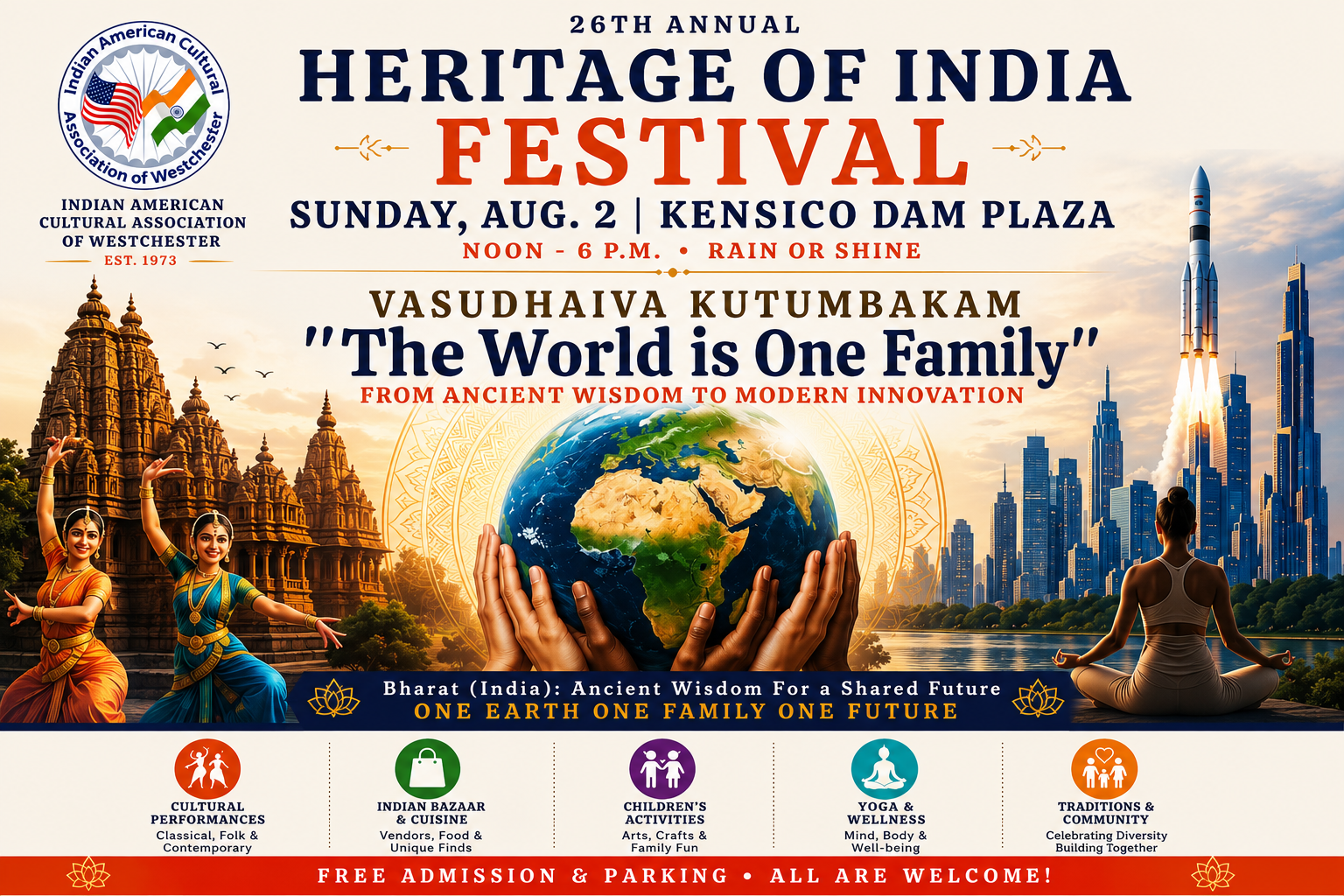
26th Heritage of India Festival Returns to New York
2 days ago
 Culture
Mark Zuckerberg buys 440
3 days ago
 Culture
Open Heritage in the Age of Artificial Intelligence
4 days ago
 Culture
He Spent a Lifetime Keeping Tarpa Tradition Alive ❤️
4 days ago