
EV fast chargers in Canada are only being used 10% of the time
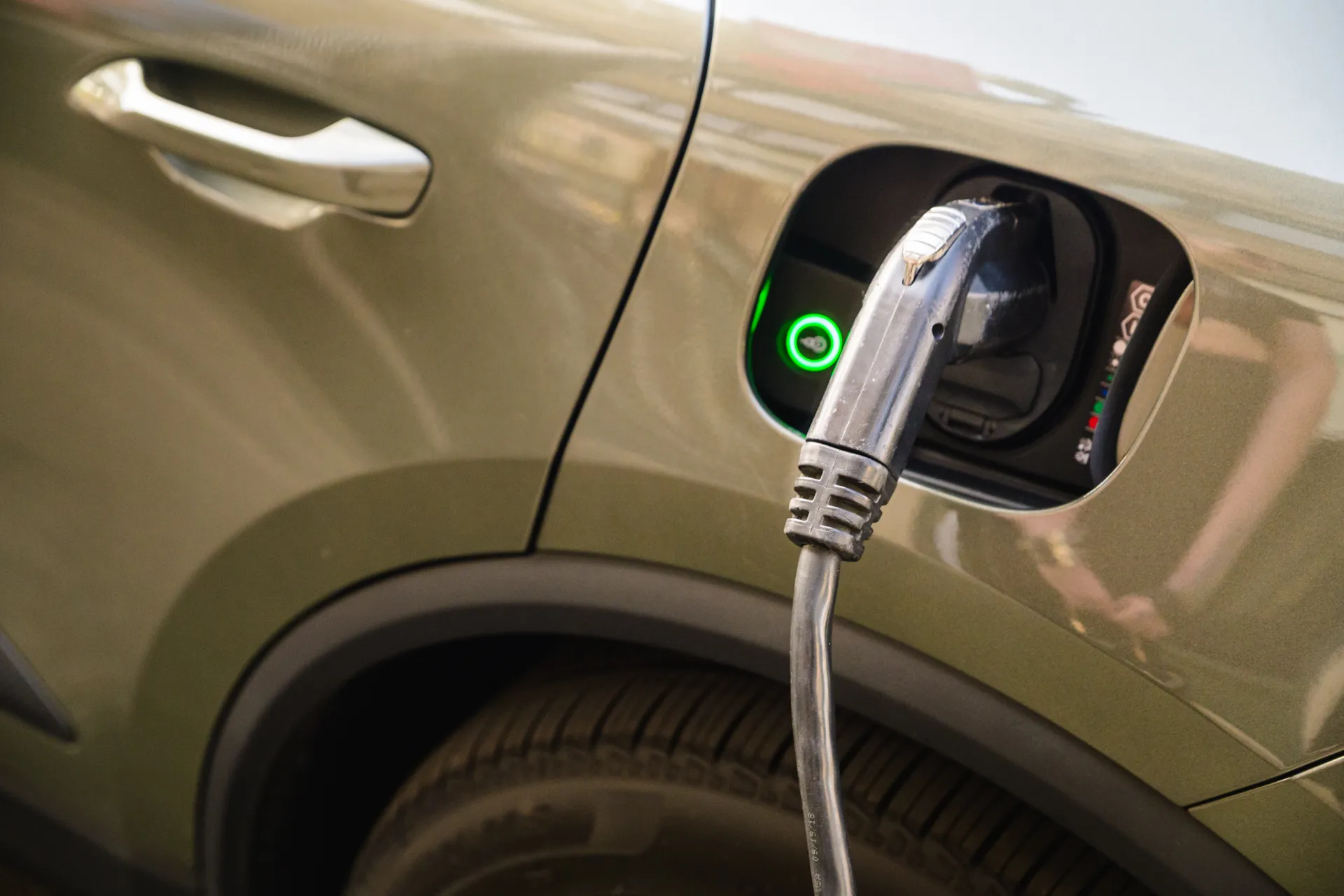
Canada’s public direct current (DC) fast-charging network continues to stretch beyond EV driver demand, leaving many stations operating well below utilization levels considered financially sustainable.
According to charging analytics firm Paren, the average Canadian fast-charging port was in use 9.5% of the time in the second quarter of 2026. That compares with 11.3% in the previous quarter and 10.3% in the same period last year. The company tracks nearly 10,000 public fast-charging ports across approximately 2,800 stations nationwide, including 390 new ports activated at 99 locations during the quarter.
The national average remains below the 15% to 20% utilization range widely viewed by charging operators as the threshold for long-term profitability. Canada’s performance also trails the United States, where Paren reported an average utilization rate of 15.8% during the same period.
Performance varies significantly across the country:
Vancouver and Toronto were the only major Canadian cities exceeding the profitability benchmark.
It is argued that current use figures reflect deliberate infrastructure deployment rather than overbuilding. Public fast chargers remain essential for drivers without home charging, commercial fleet operators, and long-distance travel, even when individual locations experience relatively low traffic volumes.
Industry representatives also note that installing chargers in rural and remote communities supports consumer confidence by improving access beyond major urban centres. Maintaining geographic coverage, they argue, is necessary to encourage future EV adoption despite lower short-term utilization. Quebec is an example where many rural chargers “suffer” from very low utilization rates.
The economics of charging infrastructure pose a challenge for investors. Idle chargers reduce revenue potential, while significantly higher usage can create congestion and longer wait times. Achieving a sustainable balance between these extremes is critical to attracting larger pools of private capital to finance future network expansion.
A recent study by the Canadian Charging Infrastructure Council concluded that greater certainty around future EV adoption could unlock as much as $8.4 billion in private fast-charging investment over the next decade. That projection assumes continued growth in EV adoption supported by federal emissions regulations.
Industry groups remain divided on how long governments should continue subsidizing charging infrastructure. Some argue public funding is necessary until EV adoption reaches levels that support profitable operations. Others believe subsidies should gradually give way to market-driven investment as utilization improves.
The federal government has indicated it will release additional details on a national EV charging infrastructure strategy later this year.
Sign up for our newsletter Blind-Spot Monitor and follow our social channels on X, Tiktok and LinkedIn to stay up to date on the latest automotive news, reviews, car culture, and vehicle shopping advice.
Related Stories
 Canada
Two accused of murder after cyclist was punched
15 minutes ago
 Canada
‘Deeply disappointed’: Smith weighs in on collapse of trade talks
1 hour ago
 Canada
Belgian car salesman becomes prince after DNA test proves royal parentage
2 hours ago
 Canada
Pear Lake wildfire sparks new evacuations, severe thunderstorm alerts issued around B.C.
2 hours ago
 Canada
Ottawa-area distillery looks east and west after Canada
2 hours ago
 Canada
Reaction to collapse in Canada
3 hours ago
 Canada
Pope challenges systems that fuel inequality and conflict
3 hours ago
 Canada
Ottawa mayoral candidate promises to raise Palestinian flag at city hall if elected mayor
3 hours ago