
Experts call for a new approach to Neuro
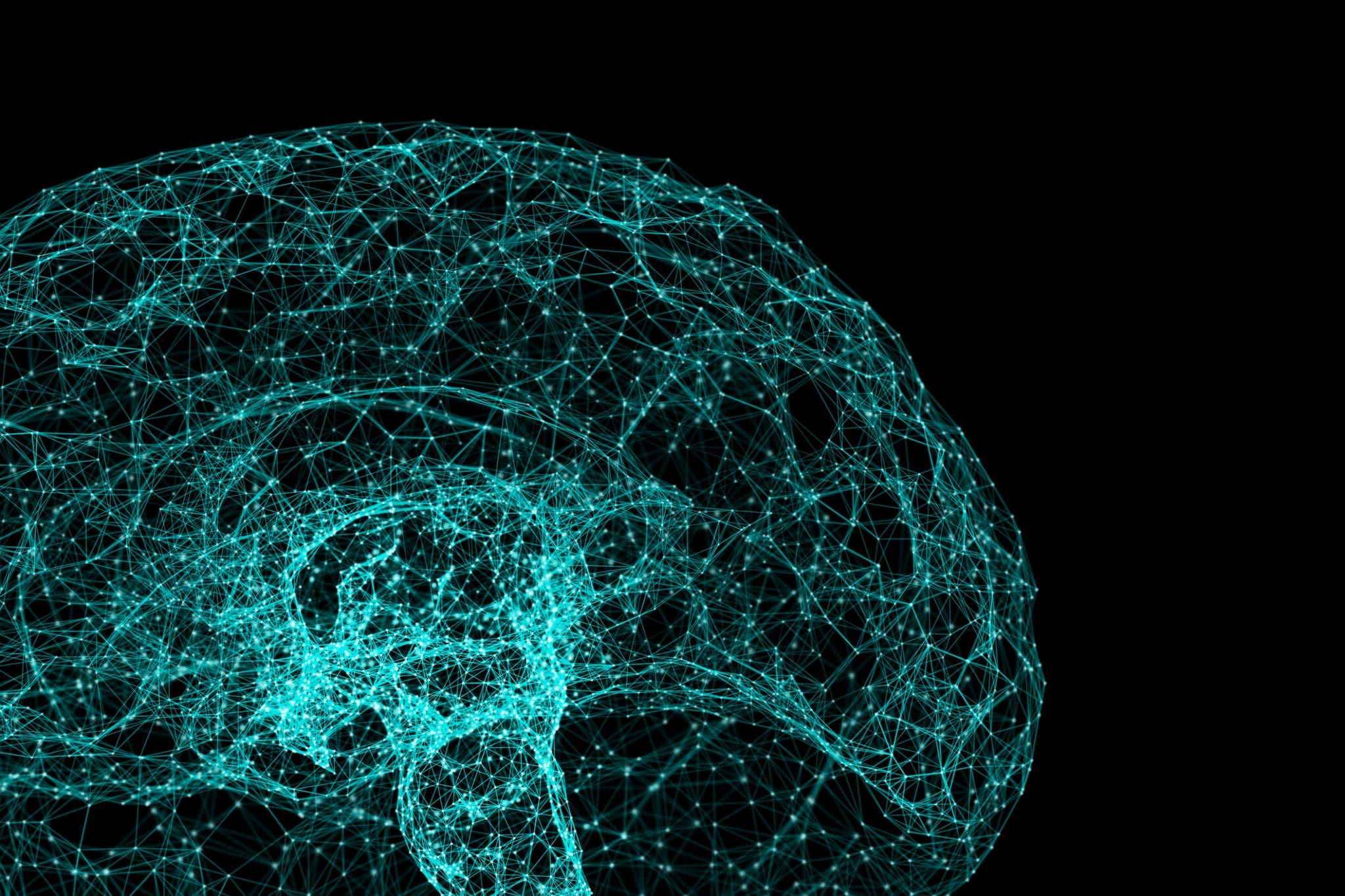
European experts are calling for a new approach to governing technologies that combine artificial intelligence with neurotechnology
The rapid growth of Neuro-AI is raising questions about privacy, fundamental rights and public accountability
The European Group on Ethics in Science and New Technologies (EGE) has published a new statement, Governing Neuro-AI: Towards an Infrastructure Approach, setting out recommendations for how Europe should respond to the growing convergence of neuroscience and artificial intelligence.
Neuro-AI brings together neurotechnology and artificial intelligence, allowing neurodata to be collected, processed and reused to develop AI models and applications.
These technologies could bring significant benefits, particularly in healthcare, rehabilitation and scientific research. For example, advances in Neuro-AI could support new approaches to understanding the brain, treating neurological conditions and helping people recover from injuries.
However, the growing ability to collect and analyse information about the brain also presents new challenges. Neurodata can reveal highly personal information, and AI systems may generate additional inferences from it.
The EGE believes these challenges require policymakers to look beyond individual devices and data privacy and consider the wider infrastructures that enable neurodata to be collected, shared and reused.
The new statement calls for a systemic and forward-looking approach to Neuro-AI governance.
Rather than focusing only on whether individual technologies meet existing rules, the EGE wants more attention on the networks and infrastructures supporting Neuro-AI. These can include systems for collecting neurodata, processing information, developing AI models and deploying applications.
This broader approach is intended to help policymakers anticipate risks before technologies become widely established.
The statement also highlights the importance of European technological sovereignty and developing infrastructures that serve the public interest.
The EGE has identified several areas that need action.
First, it recommends stronger protection for neurodata and information inferred from neurodata under EU data protection law. This reflects concerns that AI systems can derive sensitive information that was not directly collected.
Second, the group supports responsible development of Neuro-AI technologies, including the possible development of Brain Foundation Models and related infrastructure.
The EGE also calls for stronger protection of individual rights, particularly when neurodata or AI-generated inferences are used in important or consequential decisions. People should be protected from disproportionate forms of control resulting from the use of their neurological information.
Another recommendation is to strengthen European public-interest governance capacity so that Neuro-AI infrastructures can be monitored and managed effectively.
Finally, the EGE is calling for a targeted assessment of the EU’s existing regulatory framework to determine whether it is sufficiently prepared for the challenges created by Neuro-AI.
The EGE’s statement comes as Neuro-AI technologies continue to develop and become increasingly interconnected.
The group argues that governance needs to keep pace with these developments rather than reacting only after new technologies are already established. Its infrastructure-based approach aims to ensure that innovation in Neuro-AI can continue while protecting individual rights, democratic accountability and the wider public interest.
Related Stories
 AI News
AI platform FndrOS wants to keep startup founders organised
56 minutes ago
 AI News
Scammers are using AI to mimic children’s voices and exploit parents, expert warns. Here’s what to know
56 minutes ago
 AI News
No More Fake Priests: Brazilian Archdiocese Issues Guidelines Regulating the Use of Artificial Intelligence in Communications
56 minutes ago
 AI News
What's Going On With OpenAI And The Navier
1 hour ago
 AI News
BackBox brings AI to network automation but keeps humans in control
1 hour ago
 AI News
AI Has Solved One of Math’s $1 Million Millennium Prize Problems
2 hours ago
 AI News
Fashion Founder Emily Oberg Says She Tried Using AI for Photo Shoots, and It Was a Failure Because It Will "Never Possess Good Taste" Like Humans Do
2 hours ago
 AI News
Intelligence agencies warn of China’s large
2 hours ago