
Firmus float fizzles out

This week’s book-build has not gone to plan, despite claims by the float’s underwriters and brokers that investor interest was supposedly “well in excess of the offer size” of $7.1bn.
Just three days later, Firmus has a different view.
“Having considered recent market volatility and prevailing market conditions, the Board determined that the terms on which the Offer could proceed would not appropriately reflect the strength of the Company’s business and long-term growth outlook,” Firmus said in a statement on Friday morning.
“The Board therefore concluded that proceeding with the Offer was not in the best interests of the Company and its shareholders.”
Firmus said it “will now pursue capital from the private markets and consider alternative public and private market options”.
The company had been planning to spend around $4.4bn of its IPO proceeds on servers and deployment in Tasmania and Southeast Asia as it races to build five AI data centres sites in Malaysia, Indonesia and locally over the next two years. The immediate challenge for the business is finding that capital to keep those projects on time.
The overall plan outlined in the IPO is expected to cost $51bn. The company claimed it had $20bn in combined contract revenue once they all came online by 2028. Chip maker Nvidia, a key investor in frontier labs and data centres, including Firmus, will play a key role in any future success.
The rise and fall of Firmus has been an astonishing arc in what many viewed as a market bubble as capital piled into the sector amid growing unease about the rise of AI and data centres by politicians and communities.
Firmus was founded in 2019 by Oliver Curtis, Tim Rosenfield and Jonathan Levee, and originally focused on bitcoin mining before pivoting to AI data centres in 2024. OpenAI and Meta are signed on as clients and Firmus rents its Nvidia chips to them to use.
The Sydney-based startup was just just two weeks away from listing on the ASX at a $43.7 million market capitalisation. A year ago, the company was worth just $1.85bn. Two months ago, it was only worth $15bn following a $2.85bn raise backed by Nvidia, Blackstone and Jane Street.
Morgan Stanley, one of the IPO’s four joint lead managers, alongside Bank of America, JPMorgan and Morgans Financial, had suggested Firmus could be worth between US$65bn (A$93bn) and US$90bn (A$130bn).
Investors took a different view. Any plans by those bankers for a long lunch at Rockpool Bar & Grill to toast $215m in fees from the float are no doubt being hastily cancelled.
After initial hype, with the IPO share price set at $11 last week to raise $7.1 billion, the float began to wobble on Tuesday when CDC founder Greg Boorer revealed that his company’s partnership with Firmus to build AI data centres around Australia had been abandoned because the two sides were “misaligned”.
Firmus CEO Oliver Curtis told Startup Daily that it was “mutually agreed earlier this year” that the two companies would not to proceed with the partnership – less than a year after announcing the $73bn Project Southgate collaboration, which is meant to deliver 1.6 gigawatts of compute.
By Wednesday night, things began to unravel as the IPO team considered cutting the share price from $11 to $9 following a poor response from investors. That potentially wiped $8 billion from the company’s market cap. Ongoing speculation suggested a $8.25 share price and the valuation being cut by around 25%.
The Australian reported advisers were subsequently testing appetite at A$5.50, half the original price, as they tried to keep the deal alive.
Firmus withdrew from appearing before a federal parliamentary inquiry into AI on Thursday morning amid the chaos of trying to salvage the float – having already postponed an attempt to list on the ASX earlier this year due to a lukewarm response from investors.
Bloomberg echoed the concerns of many about the float, from the company’s limited operating track record – it currently has just 46MW of compute, with another 865MW in the pipeline – to its future financing needs and the potential for selling pressure, with 58% of shares available to trade on listing.
Short-sellers were already waiting to pounce.
And now the clock is ticking for many of the players involved, including local Firmus investors such as Regal Partners, Wilson Asset Management, Paradice Investment Management, Ellerston Capital, Frazis Capital Partners and Rapital Capital.
The AFR reported that a listing delayed beyond November 30 would trigger arrangements giving Nvidia, Blackstone, Coatue and other investors a larger equity share, and diluting earlier holders, including the founders, who’d become paper billionaires from the rising valuations.
The question they now have to answer is how much capital and risk those original true believers are prepared to take on, and at what valuation, for a neophyte neocloud AI infrastructure company surrounded by better capitalised competitors, with a long road ahead.
Related Stories
 AI News
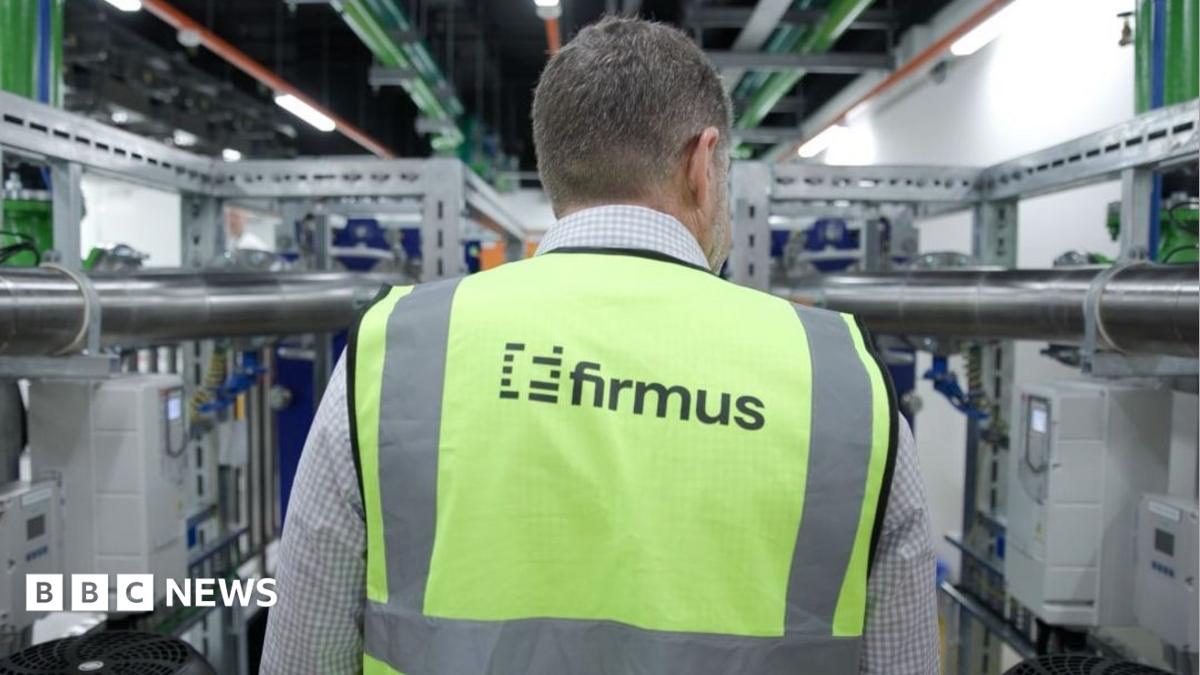
Firmus: Nvidia
28 minutes ago
 AI News
‘I’m broken’: AI torture experiments divide experts over whether chatbots feel pain
29 minutes ago
 AI News
Before we trust AI, we must trust each other
1 hour ago
 AI News
Opinion: Computer security safeguards are never perfect
1 hour ago
 AI News
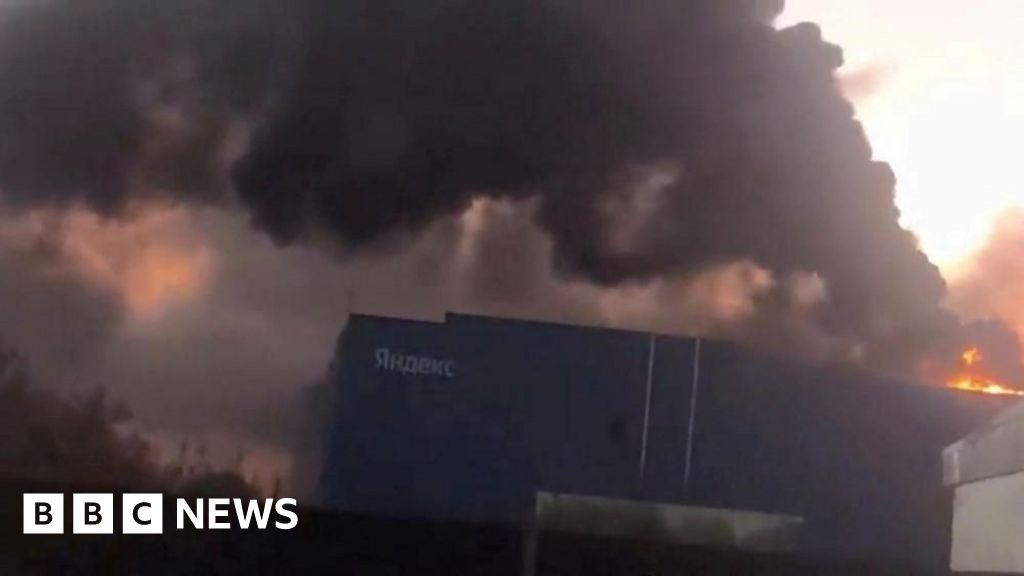
Russian search engine Yandex struggles after Ukrainian strikes on data centres
2 hours ago
 AI News
Using AI for just 10 minutes erodes your ability to persist at hard things
3 hours ago
 AI News
Meta Won't Say If It Violates Its Policies to Upload AI
3 hours ago
 AI News
Governed context: The key to scaling enterprise AI
4 hours ago