
France’s religious leaders appeal for peace and sustained dialogue
France’s religious leaders appeal for peace and sustained dialogue
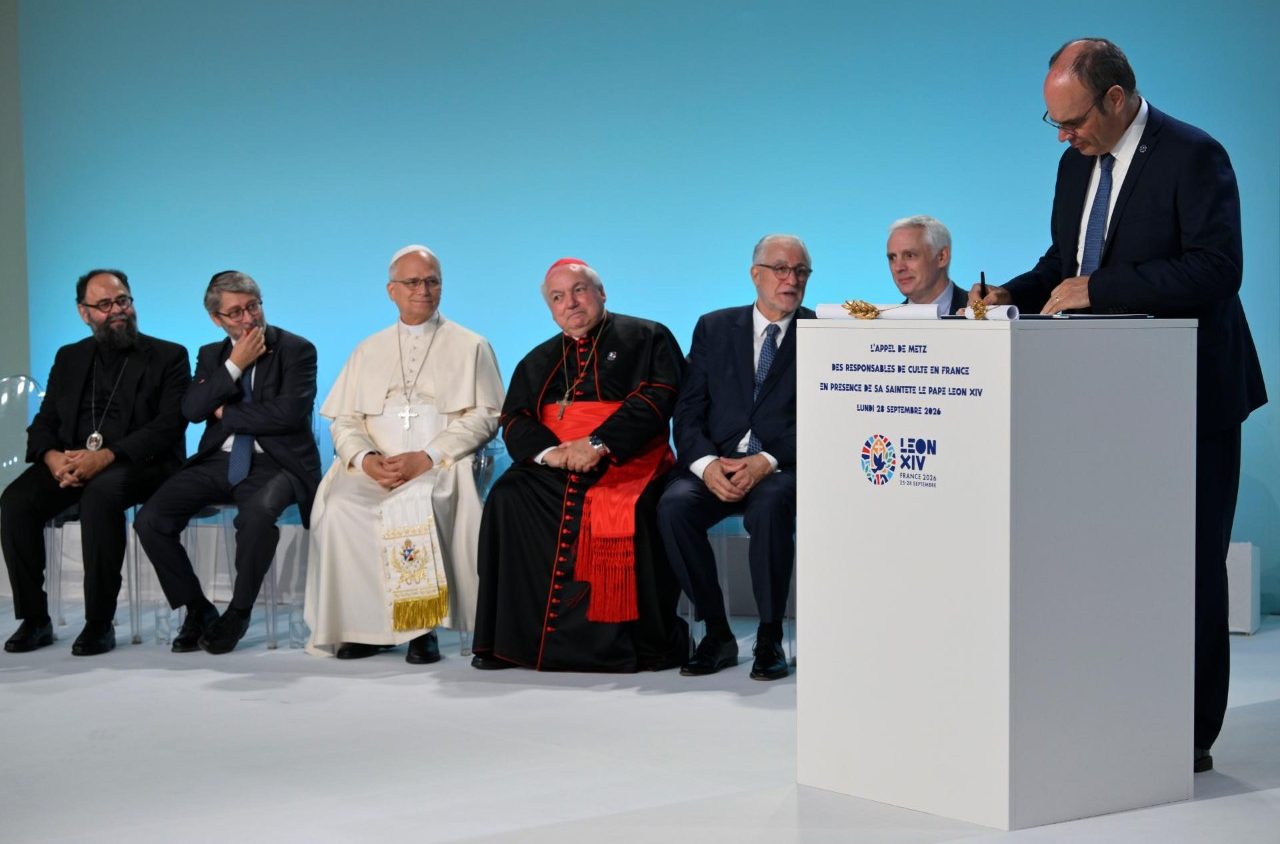
Religious leaders in France have affirmed their determination to serve “the whole human family together,” issuing an appeal for dialogue, fraternity, reconciliation, and peace in the presence of Pope Leo XIV.
The Metz Appeal looks back to the Assisi appeal forty years ago, warning that humanity faces a new turning point amid war, inequality, ecological instability, and technological transformations.
These upheavals, the leaders say, call religious communities to act together by protecting human dignity and caring for others.
The appeal stresses that peace means more than the absence of war. It requires justice, respect for human dignity, solidarity between peoples and generations, and shared care for “our common home.”
The leaders condemn discrimination and hate speech, expressing particular indignation at the resurgence in France of attacks against people and places of worship because of their origins or faith.
They also reject “the poison of totalitarianism,” recalling the suffering it inflicted on Lorraine.
“We affirm together that neither the name of God nor any religious truth or spiritual tradition may ever be invoked to justify violence and hatred,” they declare.
Dialogue, prayer, meditation and spiritual practice can open paths towards peace, the appeal says, noting that work for peace begins within each person, by recognizing and disarming whatever fuels fear and rejection of others.
Acknowledging the wounds left by violence and misunderstanding, the religious leaders reject vengeance and humiliation, and commit themselves to becoming agents of reconciliation.
They describe religions as a privileged path towards the “unarmed and disarming peace” called for by Pope Leo XIV.
Building a culture of peace, they insist, requires both personal courage and collective commitment, involving families, schools, sports and leisure organizations, and religious communities.
The appeal concludes with three commitments: to pursue sustained and rigorous dialogue; to teach younger generations about one another’s traditions; and to stand together, even in adversity, to promote justice and peace.
Peace is built daily through respect and friendship, the leaders say, expressing hope that their gathering will awaken consciences and bear lasting fruit.
They ask that the Metz Appeal become “a compass of hope,” reminding everyone that “no lasting peace can be built without others or against them.”
Related Stories
November is National Native American Heritage Month, a time to recognize the rich histories, diverse cultures, and lasting contributions of American Indian peoples. The United States is home to 575 federally recognized Tribes, each with its own histo...
23 hours ago
 Culture
Cultural Heritage and Intellectual Property Rights: Preservation & repatriation effects
1 day ago
 Culture
Nagaland’s tribal heritage key to nation building: Governor
1 day ago
 Culture
Hindi Resonates at the United Nations: Gautam Buddha University’s Dr. Priyanka Singh Highlights Indian Culture and Literature for Environmental Conservation
1 day ago
 Culture
Nadi Utsav 2026: Yamuna’s Culture, History and Living Heritage Take Centre Stage
1 month ago
 Culture
Gujarat’s Cultural Heritage and Contemporary Achievements Features in PM Mementos e
1 month ago
 Culture
Ashok Singhal’s commitment to Indian culture, Sanatan traditions an inspiration: Himachal governor
1 month ago
 Culture
Native American Heritage Month
1 month ago